Pen vs Pencil for School: When Should Children Switch?
Why the move to pen is a milestone rather than an upgrade, and which subjects stay in pencil at every age.
Somewhere around age seven or eight, most children are moved from pencil to pen, and almost nobody explains why, when, or whether it is actually a good idea yet.
The pen vs pencil question for school is less about which is better and more about readiness — and about the fact that different subjects want different tools regardless of age.
Key takeaways
- Pen is a handwriting milestone, not an upgrade — readiness matters more than age.
- Pencil stays correct for maths, diagrams and drafting at every age, including adults.
- Moving to pen too early can entrench errors, because mistakes cannot be removed.
- Many exams still specify pencil, particularly anything machine-read.
- The realistic answer is both, chosen by task rather than by age.
What the move to pen actually signals
In many schools a “pen licence” marks the point where handwriting is judged consistent enough to be permanent. It is a genuine motivator, and children take it seriously.

The trouble comes when the milestone gets tied to age rather than to handwriting. A child moved to pen because their year group has moved is being asked to make permanent marks with handwriting that is not yet consistent.
Readiness, not age
The questions worth asking are practical rather than developmental.
- Is letter formation consistent? The same letter looking the same way each time.
- Is sizing stable? Words staying roughly the same height across a line.
- Is pressure moderate? Heavy pressers tear paper and empty pens quickly.
- Can they self-correct? Crossing out neatly is a skill, and pen requires it.
A child who is still forming letters unevenly benefits more from another term of pencil than from the status of a pen. Handwriting development is covered in more detail in pencil grip and handwriting.
The pressure problem
Children who press hard are the ones most affected by the switch. A heavy hand breaks pencil points, but in pen it tears paper, floods ink and produces work that shows through every page beneath it.
Pressure usually moderates as hand strength develops, so a heavy-handed writer is often better served by waiting a term than by being handed a pen and told to press more gently.
The erasability question
This is the real difference, and it cuts both ways.
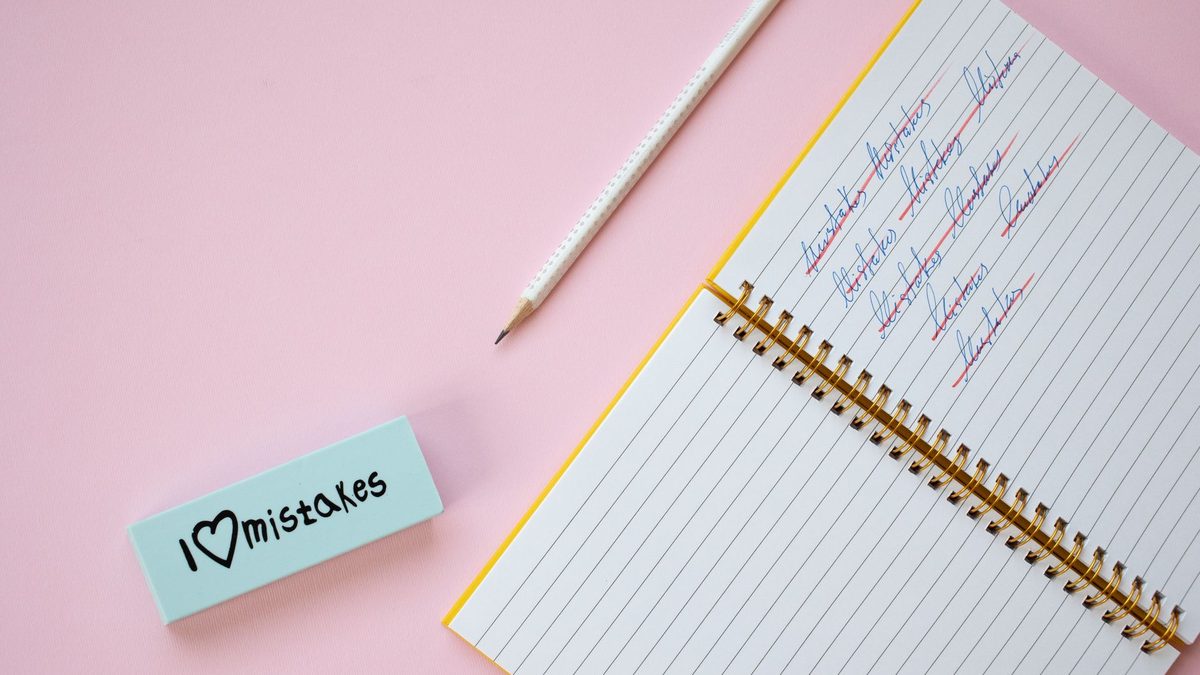
A pencil lets a child fix an error invisibly, which keeps the page tidy and their confidence intact. It also lets them erase working that a teacher might have wanted to see.
Pen leaves the mistakes visible. That is untidy, and it is also genuinely useful: a teacher can see where the thinking went wrong, which a clean corrected page conceals entirely.
| Factor | Pencil | Pen |
|---|---|---|
| Correcting errors | Erased invisibly | Crossed out, stays visible |
| Shows working | Can be erased away | Permanent record |
| Legibility over time | Smudges and fades | Stays crisp |
| Maths and diagrams | Ideal | Awkward to amend |
| Left-handed writers | Dries instantly | Wet ink smudges |
| Heavy pressure | Breaks the point | Tears paper, floods ink |
| Machine-read exams | Usually required | Often not accepted |
| Cost per item | Very low | Low to high |
Swipe the table sideways to see every column.
Subjects that stay in pencil
This is where the “pen is the next stage” framing does most damage, because it implies pencil is something to grow out of.
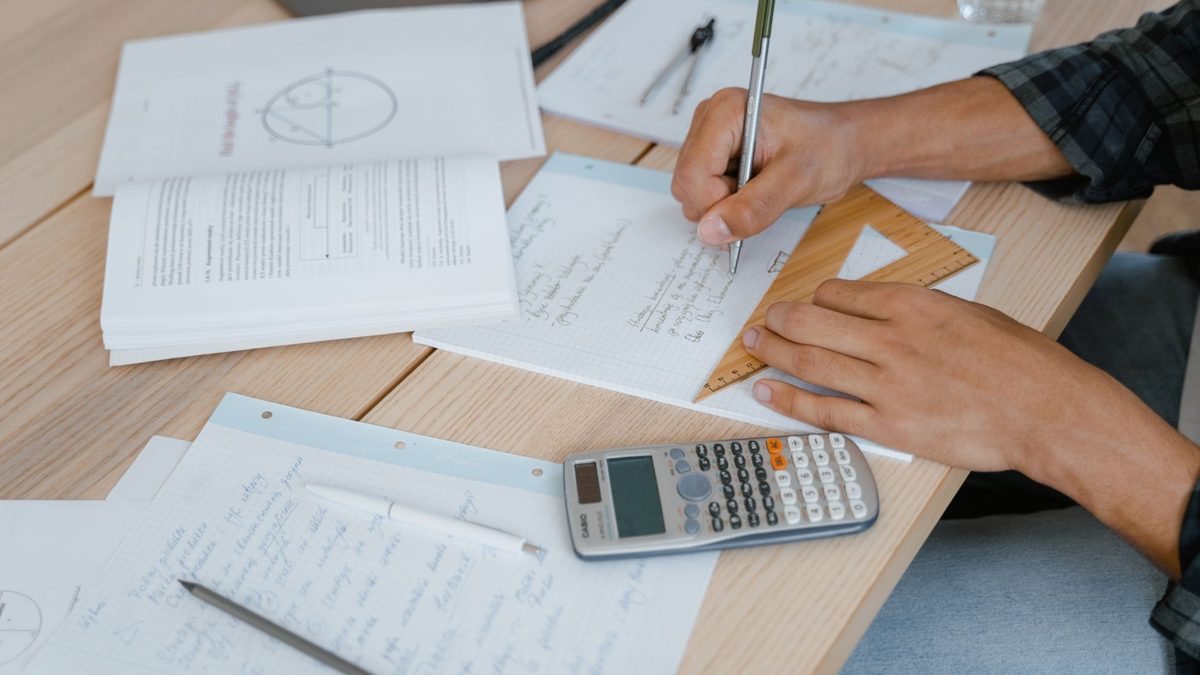
- Maths. Working is provisional by nature and needs amending.
- Diagrams and graphs. A misjudged axis in pen ruins the page.
- Geometry. Construction lines are meant to be faint and removable.
- Drafting and planning. Any first version of anything.
- Drawing. Covered in drawing for kids, where light removable lines are the whole method.
Adults in technical fields default to pencil for exactly these reasons. It is a professional tool, not a training one.
Left-handed writers
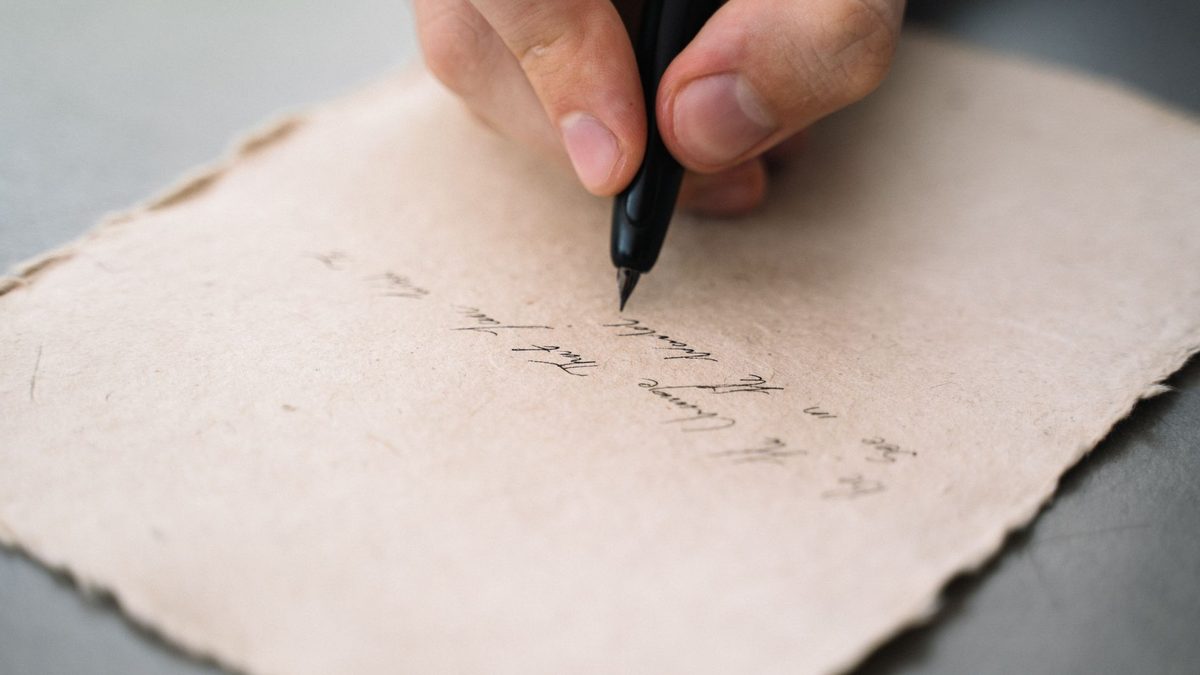
The move to pen is harder for left-handers, who drag their hand across what they have just written. Wet ink smudges where graphite would not.
If pen is required, quick-drying gel ink is considerably better than a fountain pen, and the paper angle matters even more than usual — see left-handed writing for the specific adjustments.
What exams actually require
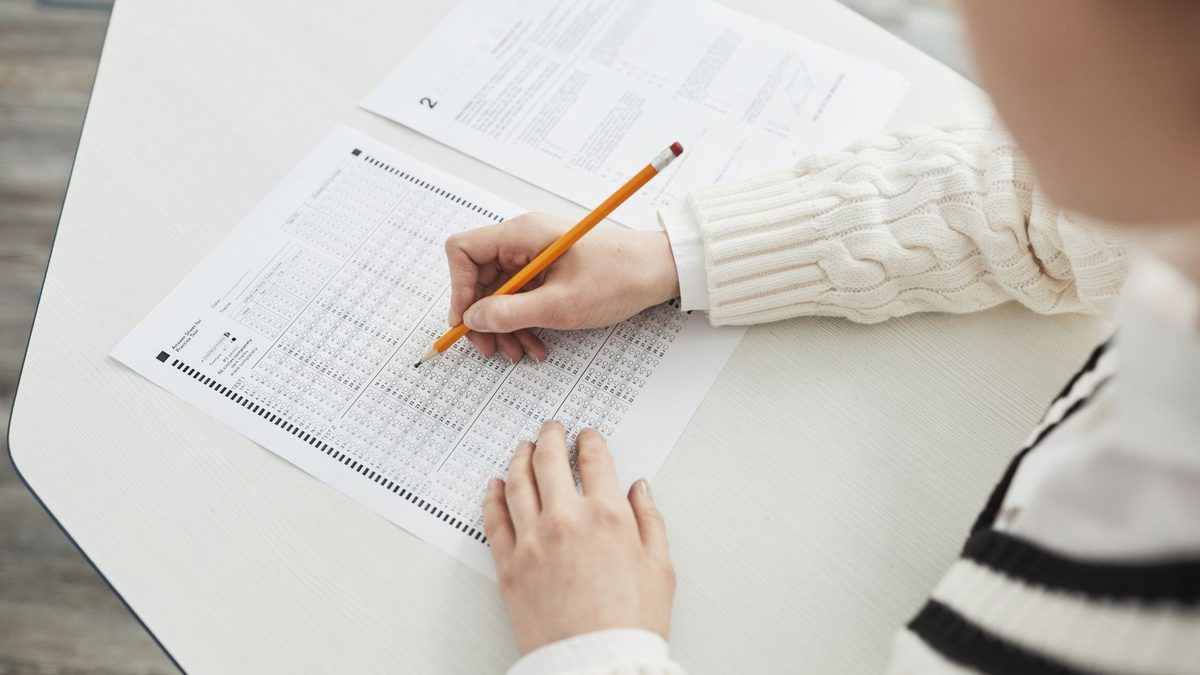
Anything machine-read generally requires a wooden No. 2 or HB pencil, because optical readers are calibrated for graphite. Written papers usually require black ink instead.
The practical implication is that a child needs to be fluent with both, and should have practised under the conditions the exam specifies rather than discovering them on the day. The trade-offs between pencil types are covered in mechanical vs wooden pencils.
Erasable pens
Friction pens erase cleanly and look like the obvious compromise. Two cautions: the ink disappears in heat, so work left in a hot car can vanish entirely, and many exam boards do not permit them.
A sensible approach
- Move on handwriting, not on birthdays. Consistency is the criterion.
- Keep pencil for maths permanently. It is not a demotion.
- Let them keep both. Choosing by task is the actual skill.
- Teach neat correction. One ruled line through an error, not scribbling it out.
- Check exam requirements early. Not in the week before.
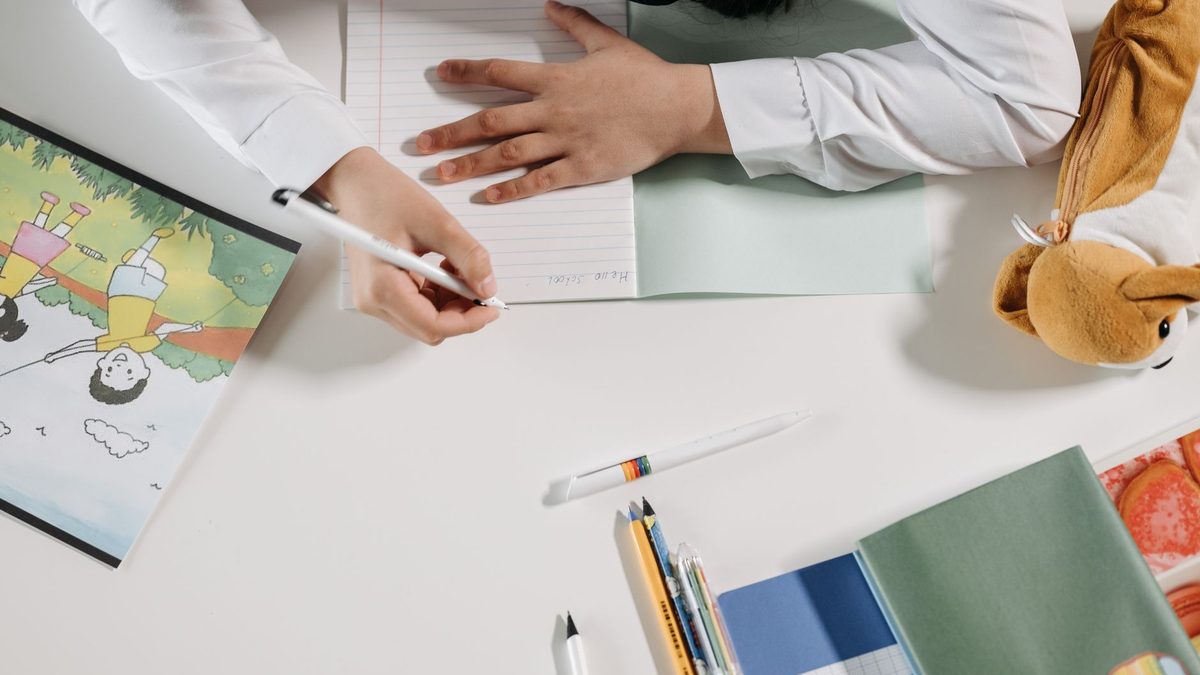
Guidance on handwriting development and the transition to pen is published by the National Handwriting Association.
One small advantage of pencil that rarely gets mentioned: it still works when a pen has run dry, been left in a hot car, or been lost. It also rolls, which is why a pencil is the only writing implement you can play a game with.
Frequently asked questions
At what age should children start writing in pen?
There is no fixed age. The criterion is handwriting consistency: letters formed the same way each time, stable sizing, moderate pressure and the ability to correct neatly. Many schools move children around seven or eight, but readiness varies considerably.
Is pen better than pencil for schoolwork?
Neither is better overall. Pen stays legible and preserves a record of corrections, which teachers can learn from. Pencil is correct for maths, diagrams, geometry and any draft work, at every age including adulthood.
Should maths be done in pen or pencil?
Pencil, at any age. Mathematical working is provisional and frequently needs amending, and a diagram or graph drawn wrongly in pen ruins the page. Professional engineers and architects use pencil for the same reason.
What is a pen licence?
A milestone used in many schools marking the point where a child’s handwriting is judged consistent enough to write permanently in ink. It works well as a motivator, provided it is awarded on handwriting quality rather than automatically by year group.
Is pen harder for left-handed children?
Yes. Left-handers push their hand across what they have just written, so wet ink smudges where graphite would not. Quick-drying gel ink helps considerably, as does tilting the paper clockwise by 30 to 40 degrees.
Do exams require pen or pencil?
It depends on the paper. Machine-read answer sheets generally require a wooden No. 2 or HB pencil, since optical readers are calibrated for graphite, while written papers usually require black ink. Check the specific requirements well in advance.