Pencil Grip and Handwriting: What Actually Matters
The stages of pencil grasp development, why therapists look for a functional grip rather than a correct one, and when to intervene.
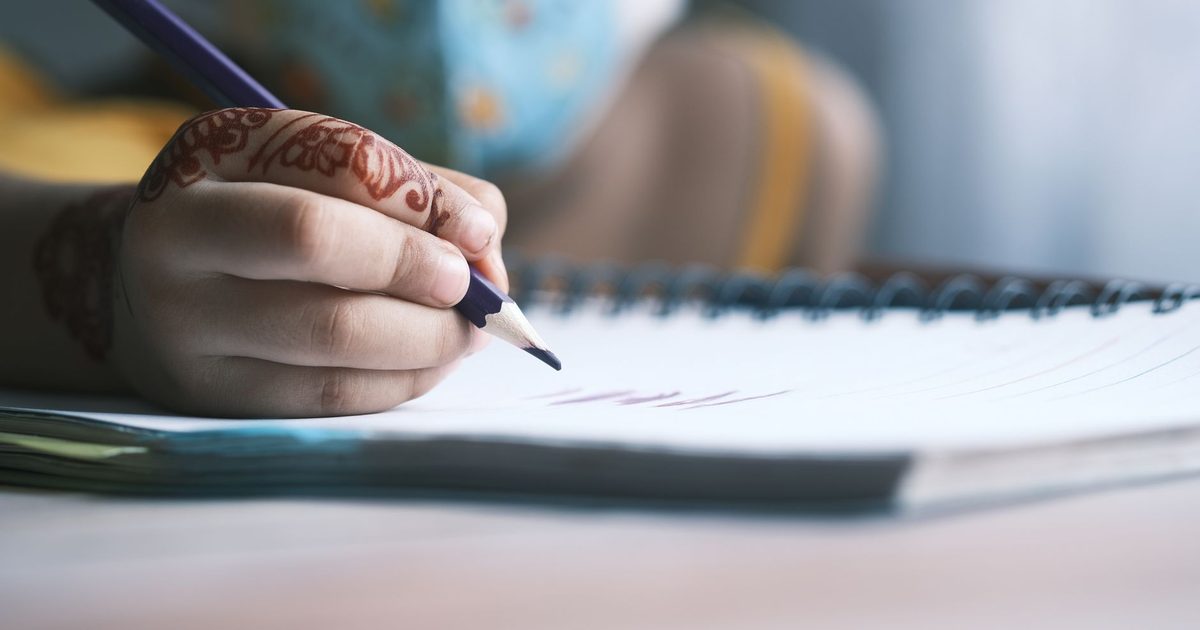
Most advice about how children hold a pencil starts from the wrong premise: that there is one correct grip and everything else needs fixing.
Occupational therapists generally do not think in those terms. The question they ask is whether a grip is functional — whether it lets the child write neatly, at a reasonable speed, without pain or fatigue. Several different grips clear that bar.
Key takeaways
- Grip develops through predictable stages from a whole-fist grasp to a dynamic tripod, roughly ages 1 to 7.
- The goal is a functional grip, not a specific one — the quadrupod grasp works perfectly well.
- Forcing a tripod grip too early can create a poor habit that is hard to undo later.
- Grip problems are usually hand-strength problems, and strength is built through play, not writing practice.
- Pain, fatigue or a white-knuckled grip are the signals worth acting on.
The stages, roughly by age
Development is a sequence, not a switch. Children pass through recognisable stages, and the ages below are typical rather than deadlines.

| Stage | Typical age | What it looks like | Movement comes from |
|---|---|---|---|
| Palmar supinate | 1–1.5 years | Whole fist wrapped round, point down | The shoulder |
| Digital pronate | 2–3 years | All fingers on the shaft, wrist turned down | The elbow |
| Four-finger grasp | 3–4 years | Four fingers and thumb, more upright | The forearm |
| Static tripod | 3.5–4 years | Thumb and index, resting on middle finger | The whole hand as a unit |
| Dynamic tripod | 4–7 years | Same three fingers, moving independently | The fingers themselves |
Swipe the table sideways to see every column.
The important shift is in the final column. Early grips move the pencil by moving the whole arm. A mature grip moves it with the fingers, and that is what makes writing fast and legible rather than laborious.
Functional, not correct
The dynamic tripod is the most common mature grip, and the one most people picture. It is not the only one that works.

The quadrupod grasp uses four fingers instead of three and is considered perfectly functional for written work. Plenty of adults with excellent handwriting use it and were never corrected.
The practical test has three parts: can the child write legibly, can they sustain it without their hand aching, and can they keep up with what the class is doing? A grip that passes all three does not need changing, regardless of how it looks.
When to actually intervene
| Observation | Concern level | What it usually means |
|---|---|---|
| Uses four fingers, writes neatly | None | A functional quadrupod grasp |
| Grip looks unusual, no complaints | Low | Personal variation |
| Thumb wrapped over the fingers | Watch | Often a hand-strength issue |
| Whole-arm movement past age 6 | Worth raising | Fingers not yet moving independently |
| Complains of hand pain | Act | Excess pressure or poor positioning |
| Tires after a few lines | Act | Endurance or strength shortfall |
| Avoids all drawing and writing | Act | Writing has become uncomfortable |
Swipe the table sideways to see every column.
This is general information, not clinical advice. If a child is in pain, avoiding writing, or falling behind because of it, an occupational therapist is the right person to ask. Professional guidance is available through bodies such as the Royal College of Occupational Therapists.
Why forcing it early backfires
A tripod grip requires the small muscles of the hand to work independently of the arm. If those muscles are not ready, a child asked to hold the pencil “properly” will compensate — usually by gripping harder and locking the wrist.
That compensation becomes the habit. Taught before a child is physically ready, a tripod grip can end up less fluid and more tiring than the grip they would have arrived at naturally.
Build the hand, not the grip
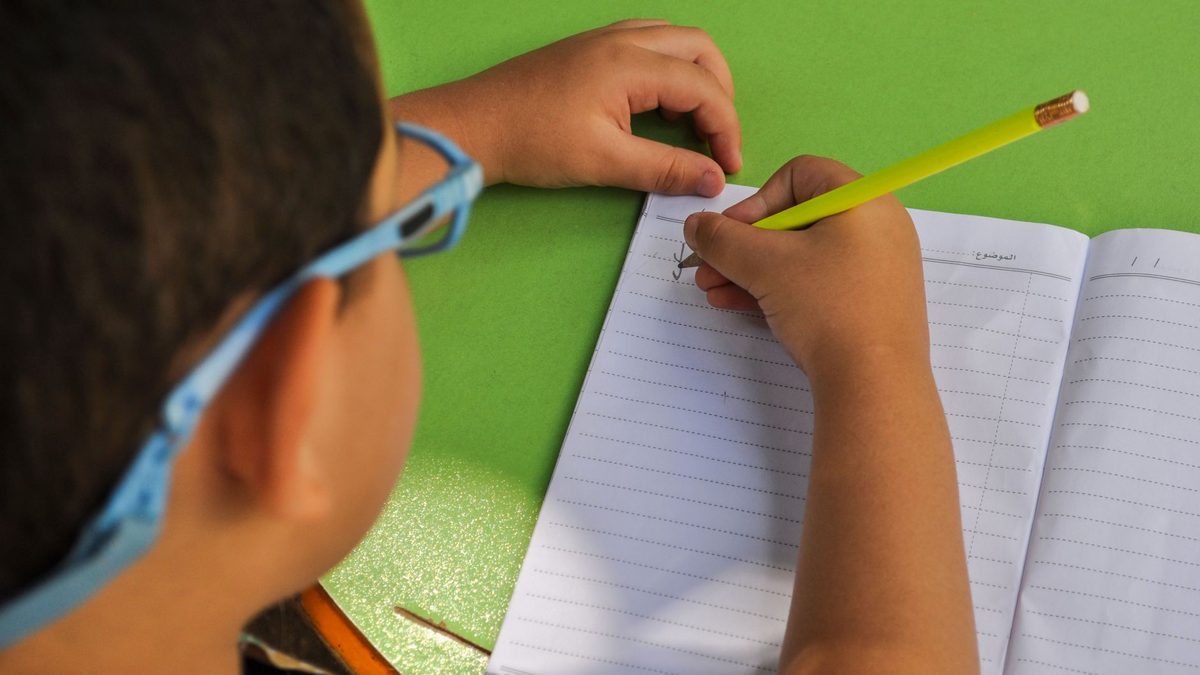
The counter-intuitive part: the most effective way to improve a young child’s pencil grip usually involves no pencil at all.
Grip is downstream of hand strength, finger isolation and thumb stability. All three are built through play.
- Anything pinched. Tweezers, pegs, tongs, picking up small objects.
- Anything squeezed. Dough, sponges, spray bottles, stress balls.
- Anything threaded. Beads, laces, buttons.
- Anything torn or crumpled. Paper scrunching is excellent and free.
- Vertical surfaces. Drawing on an easel or taped-up paper builds wrist stability.

Position matters as much as grip
A perfect grip at a badly set-up desk still produces sore hands. Three things are worth checking before anything else.
- Feet flat. Dangling legs destabilise the whole upper body.
- Desk at elbow height. Too high forces the shoulder to lift and lock.
- Paper tilted. Angled towards the writing hand, not square to the desk edge.

Left-handed writers
Left-handers push the pencil across the page rather than pulling it, and their hand covers what they have just written. Two adjustments help enormously: tilt the paper clockwise, and seat them on the left of any right-handed neighbour so elbows do not collide.

Does the pencil itself matter?
Less than people hope, but not nothing. Shorter pencils encourage a tripod grip because there is nowhere for the whole fist to go, and triangular barrels give three natural resting points.
A pencil that constantly breaks its point is a genuine problem, though, because children respond by pressing harder — see which pencils survive a school year and how pencils are made for what causes that. For hand-strength play that does not look like practice, rainy day activities at home covers plenty of options.
Frequently asked questions
What is the correct pencil grip for a child?
There is no single correct grip. Occupational therapists look for a functional grip: one that allows legible writing at a reasonable speed without pain or fatigue. The dynamic tripod is most common, but the quadrupod grasp using four fingers is equally functional.
At what age should a child hold a pencil properly?
A static tripod grasp typically appears around three and a half to four years, and a dynamic tripod between four and seven. These are typical ranges rather than deadlines, and children move through the stages at different rates.
Should you correct a child’s pencil grip?
Only if it is causing a problem. If the child writes legibly without pain or unusual fatigue, the grip is working. Forcing a tripod grip before the hand is physically ready can create a tense, compensatory habit that is harder to change later.
How can I improve my child’s pencil grip?
Build hand strength through play rather than writing practice. Pinching with tweezers or pegs, squeezing dough, threading beads, crumpling paper and drawing on vertical surfaces all develop the finger strength and thumb stability a mature grip depends on.
When should I be worried about handwriting?
Act if the child reports hand pain, tires after only a few lines, still moves the pencil with the whole arm past about age six, or actively avoids drawing and writing. Those signs warrant a conversation with a teacher or occupational therapist.
What helps left-handed children write comfortably?
Tilt the paper clockwise so the hand is not dragged across fresh writing, and seat them to the left of a right-handed neighbour so elbows do not collide. A slightly higher grip position also lets them see what they are writing.