How Pencils Are Made (and Why There Is No Lead in Them)
How a pencil is actually built, why there has never been lead in one, and the manufacturing steps where quality is won or lost.
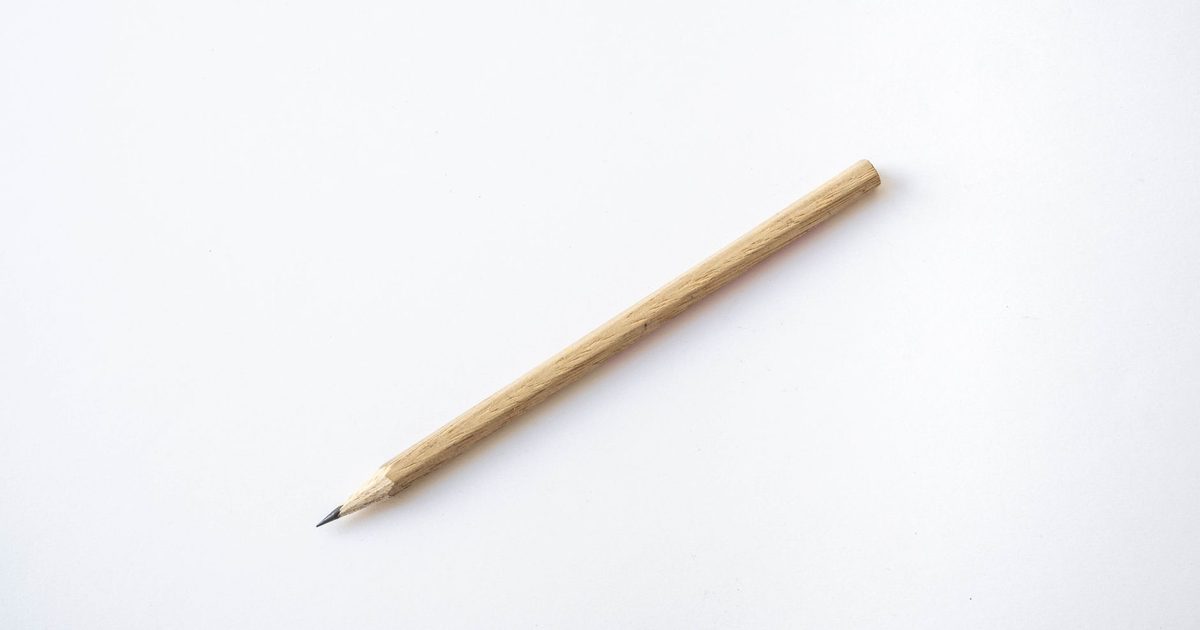
A pencil looks like the simplest object on a desk. It is a stick with a line of grey down the middle, and it costs almost nothing.
It is also a small feat of manufacturing. Two pieces of wood, a fired mineral core, a metal collar and a rubber tip, assembled to a tolerance tight enough that the core sits dead centre and stays there for years.
Understanding how pencils are made turns out to explain almost every complaint anyone has about them.
Key takeaways
- A pencil is two grooved wooden halves glued around a core, not a hole drilled through a stick.
- There is no lead in a pencil and never has been — it is graphite and clay.
- The graphite-to-clay ratio sets the grade: more clay means harder and lighter.
- Cedar dominates because it splits cleanly under a blade in any direction.
- Most quality faults come from the glue and core alignment, not the decoration.
Why there is no lead in your pencil
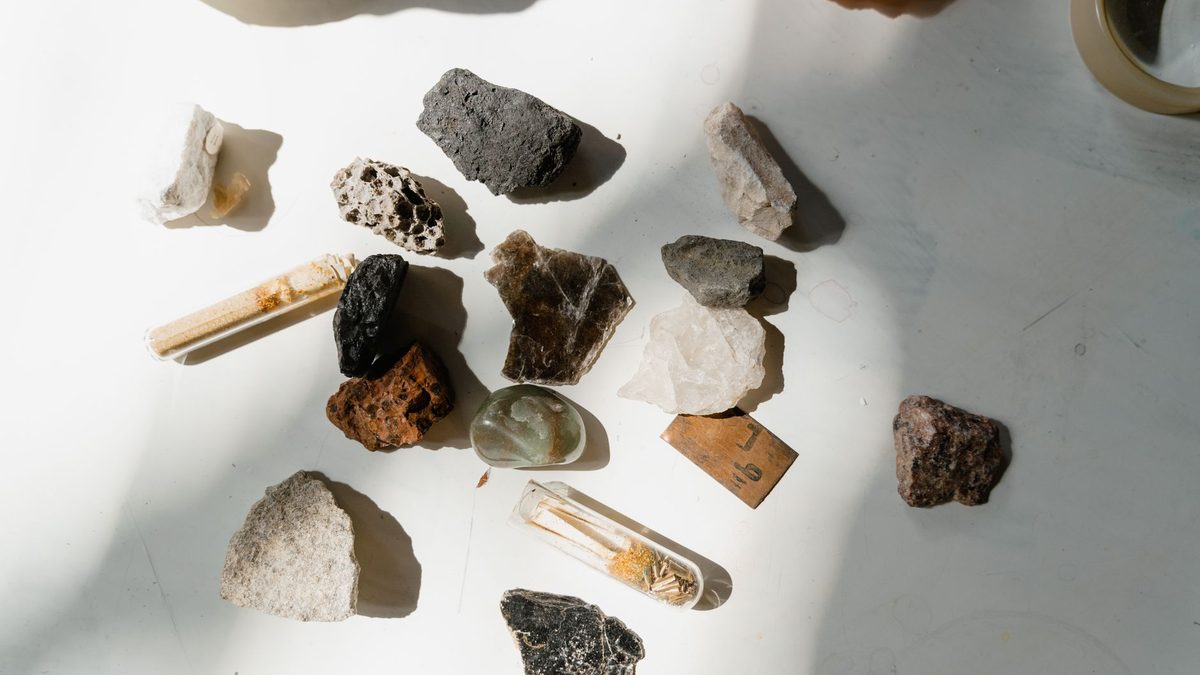
The name is a sixteenth-century mistake that never got corrected. When a large graphite deposit was found in Cumbria, the material was thought to be a form of lead and called plumbago.
It is actually graphite: pure carbon, arranged in sheets that slide over one another. That sliding is why it marks paper at all. Every stroke you write is layers of carbon shearing off and sticking to the fibres.
Making the core
Pure graphite is far too soft and fragile to use alone, so it is mixed with clay. That mixture is the entire grading system.
Graphite and clay are ground fine, mixed with water into a paste, and extruded through a die as a long thin spaghetti. The strands are cut, dried, then fired in a kiln at high temperature to harden them. Finally they are soaked in wax or oil, which is what makes a pencil write smoothly rather than scratchily.
| Grade | Clay content | Mark | Point life | Typical use |
|---|---|---|---|---|
| 2B and softer | Low | Dark, broad | Wears fast | Sketching and shading |
| B | Lower | Slightly dark | Moderate | Drawing, soft writing |
| HB / No. 2 | Balanced | Mid grey | Good | General school writing |
| H | Higher | Light | Long | Technical drawing |
| 2H and harder | High | Faint, can score paper | Very long | Drafting, layout lines |
Swipe the table sideways to see every column.
More clay makes a harder core that wears slowly and marks faintly. Less clay makes a softer, darker core that blunts quickly. There is no better or worse, only fitness for the job.
The wood, and why it is usually cedar
Pencil wood has an unusual requirement. It must be soft enough to sharpen easily, but it must also shave cleanly across the grain as well as along it, because a sharpener cuts in a spiral.
Incense cedar does this better than almost anything. It is straight-grained, low in resin, holds glue well and does not splinter when cut at an angle.
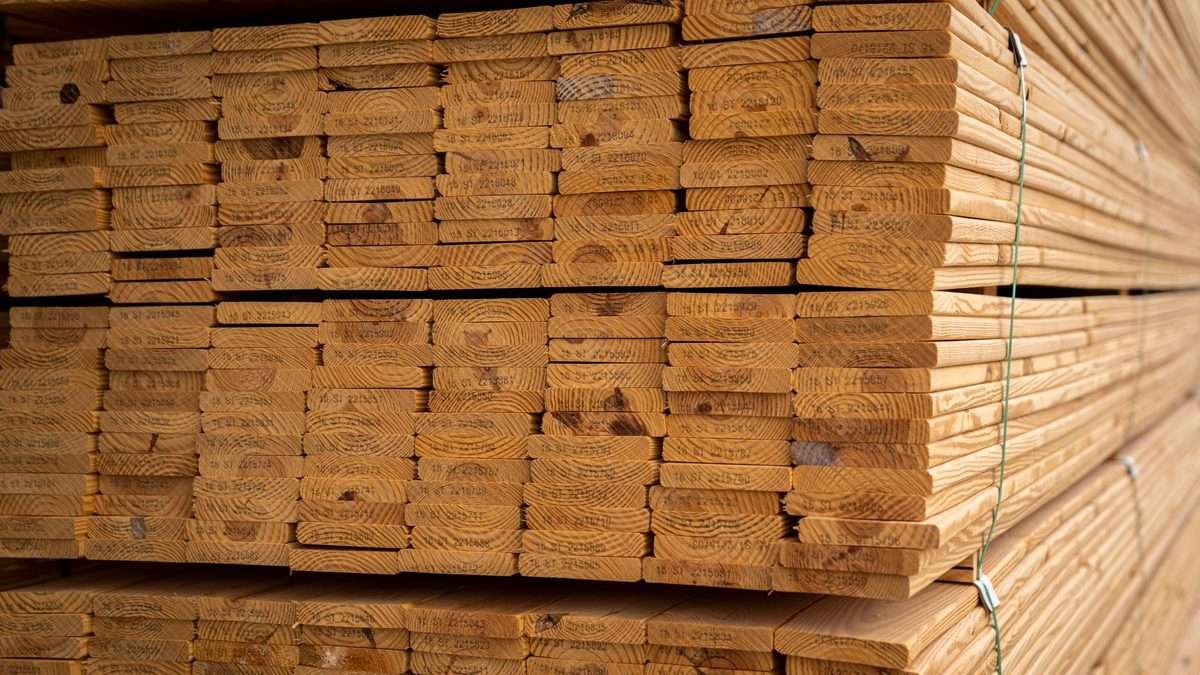
Basswood and poplar are common substitutes and perform respectably. Reconstituted or composite wood is cheaper still, holds a printed design nicely, and is the usual culprit when a pencil tears rather than shaves. Sustainable sourcing of these timbers is tracked by organisations such as the Rainforest Alliance.
Slats, grooves and the sandwich
Here is the part most people have wrong. The core is not pushed through a drilled hole. It could not be — nothing that thin would survive the journey.
Instead, wood is cut into flat slats about the length of a pencil and the width of several. Each slat is machined with parallel semicircular grooves, like a row of gutters.
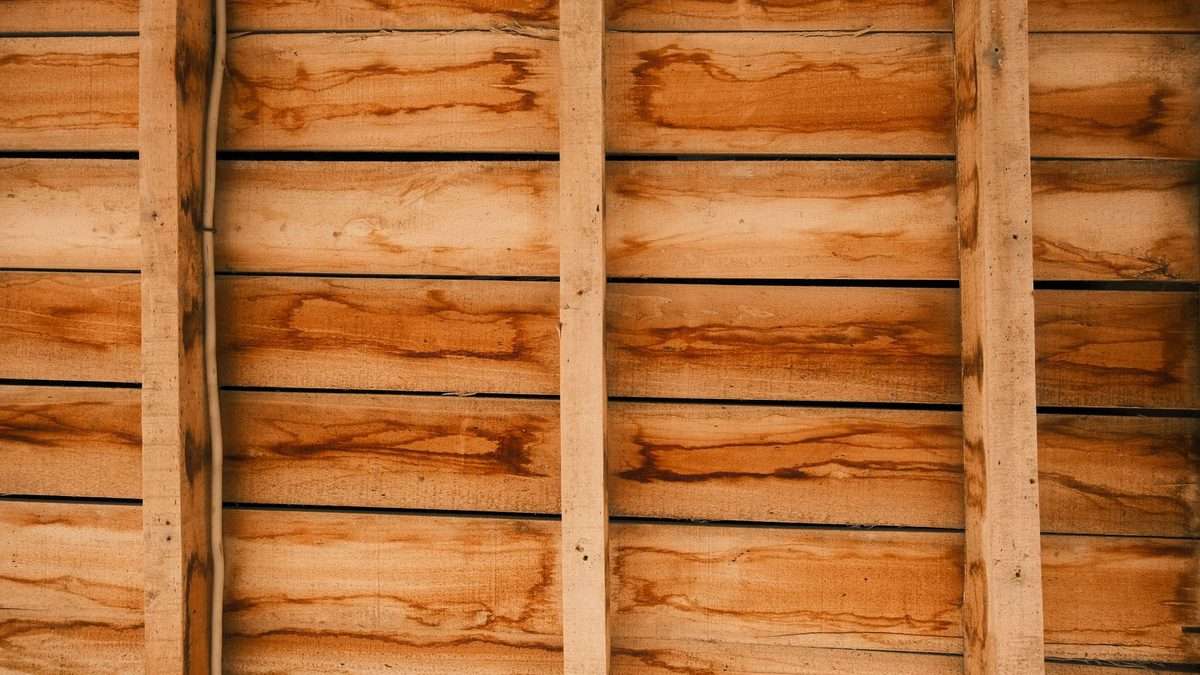
Cores are laid into the grooves of one slat, glue is applied, and a second grooved slat is clamped on top. The result is a glued sandwich holding several cores at once, which is then cut apart into individual pencils and shaped round or hexagonal.
This is where quality is won or lost. If the grooves are misaligned or the glue is thin, the core sits off-centre or bonds poorly, and the pencil will break repeatedly at the point for the rest of its life.
Finishing
Raw pencils are sanded, then lacquered. Several thin coats build a smooth finish, which is why a good pencil feels sealed rather than woody.
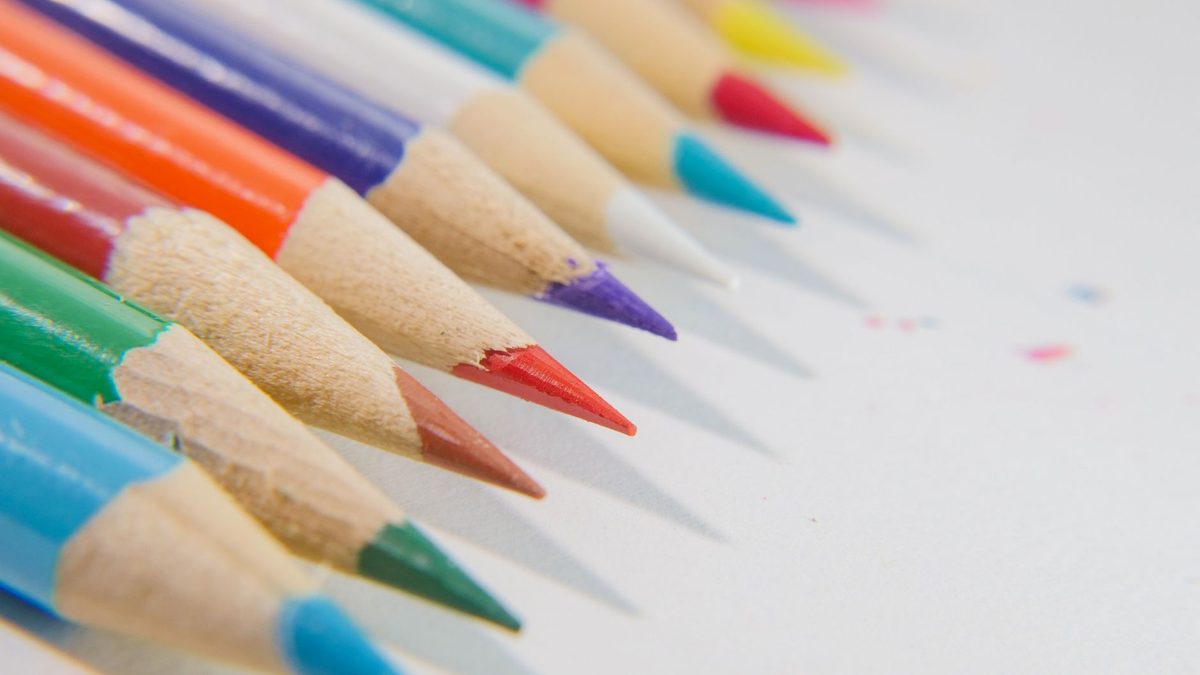
The yellow tradition dates to the nineteenth century, when the best graphite came from China and manufacturers painted pencils yellow to signal that origin. The association stuck long after the supply chain changed.
The ferrule and eraser
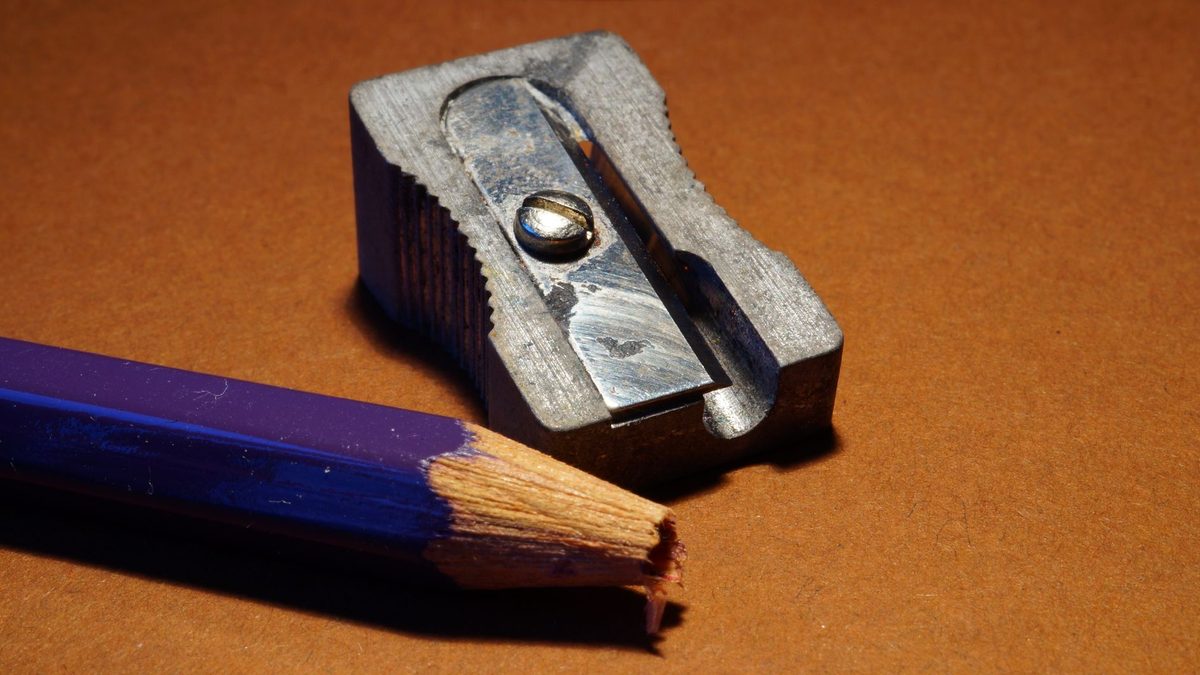
The metal collar is called a ferrule. It is crimped onto the barrel and holds the eraser, and a loose or wobbly ferrule is a reliable sign of a rushed build.
What separates a good pencil from a cheap one
| Stage | Done well | Done cheaply | What you notice |
|---|---|---|---|
| Core mixing | Even, consistent grade | Gritty inclusions | Scratchy patches when writing |
| Groove alignment | Core dead centre | Core off to one side | Uneven sharpening, weak point |
| Glue | Full bond along the core | Thin or patchy | Repeated point breakage |
| Wood | Cedar or basswood | Composite | Torn, flaky shavings |
| Lacquer | Several thin coats | One thick coat | Chipping at the ends |
| Ferrule | Tightly crimped | Loose | Wobbles, eventually detaches |
Swipe the table sideways to see every column.
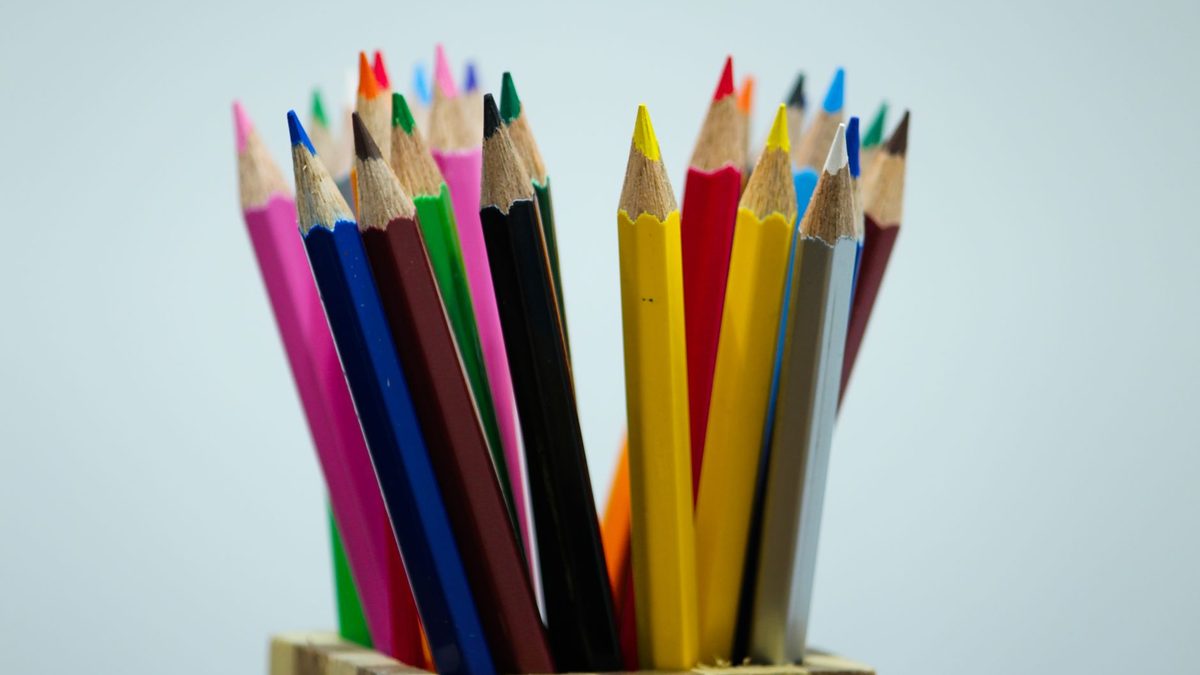
Almost every fault on that list is invisible until you sharpen the pencil, which is why our guide to which novelty pencils survive a school year leads with the sharpening test. Technique matters too — see how to sharpen a pencil without breaking the point.
It is also why a pencil built properly can survive being rolled across a desk as a game piece and still write afterwards, which is the whole premise behind the Battle Pencils rules.
Frequently asked questions
How are pencils made?
Wood is cut into flat slats and machined with parallel grooves. Graphite-and-clay cores are laid into the grooves, glue is applied, and a second grooved slat is clamped on top. The glued sandwich is then cut into individual pencils, shaped, sanded, lacquered and fitted with a ferrule and eraser.
Is there actually lead in a pencil?
No. Pencil cores are graphite mixed with clay and contain no lead at all. The name comes from a sixteenth-century misidentification of a graphite deposit, which was thought to be a form of lead and called plumbago.
What makes a pencil hard or soft?
The ratio of graphite to clay in the core. More clay produces a harder pencil that marks faintly and keeps its point longer; less clay produces a softer, darker pencil that blunts more quickly. HB, equivalent to No. 2, sits in the middle.
Why are pencils made from cedar?
Incense cedar is straight-grained, low in resin and shaves cleanly across the grain as well as along it, which matters because sharpeners cut in a spiral. It also holds glue well and resists splintering. Basswood and poplar are common alternatives.
Why are pencils traditionally yellow?
In the nineteenth century the finest graphite came from China, and manufacturers painted their pencils yellow to signal that premium origin. The convention outlived the supply chain and yellow remains the default colour for writing pencils.
Why does the core break so often in cheap pencils?
Usually because the two grooved slats were misaligned or the glue bond was thin, leaving the core off-centre or poorly supported. It then cracks along its length inside the barrel, and the point breaks every time the pencil is sharpened.