How to Sharpen a Pencil Without Breaking the Point
Why points keep snapping, how to diagnose the cause in seconds, and which sharpener actually earns its place in a classroom.
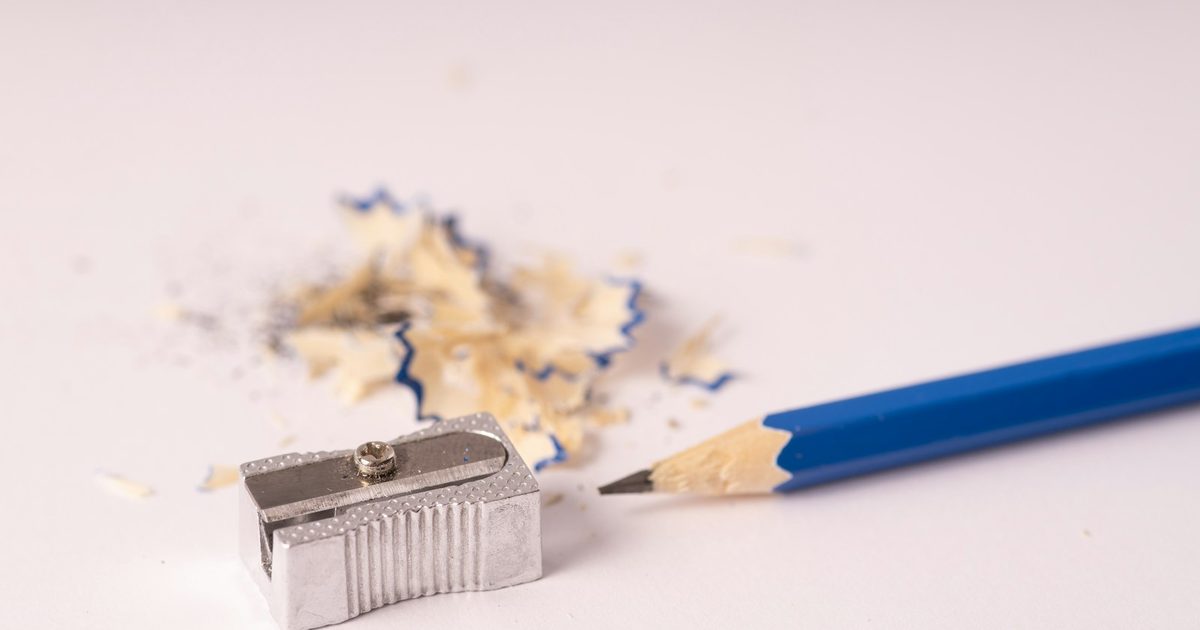
Sharpening a pencil is one of those tasks nobody is taught and everybody assumes they are doing correctly. Then a pencil breaks four times in a row and it starts to feel personal.
Some of that is the pencil. A surprising amount of it is technique and the sharpener itself.
Knowing how to sharpen a pencil properly takes about a minute to learn and saves a genuinely irritating amount of wasted graphite.
Key takeaways
- Turn the pencil, not the sharpener, and keep the pressure light and even.
- Repeated breakage usually means the core cracked internally before you started.
- A blunt blade tears the wood and snaps points; sharpeners are consumable.
- Long-taper sharpeners give a finer point that breaks more easily — match taper to use.
- Stop as soon as you see fresh wood around the whole cone. Over-sharpening wastes half the pencil.
The technique, such as it is
With a handheld sharpener, hold the sharpener still and rotate the pencil. Most people do the opposite, which introduces a wobble and puts sideways stress on the emerging point.
Keep the pressure light. Pushing harder does not cut faster; it flexes the exposed core sideways against the blade, which is precisely how points snap.
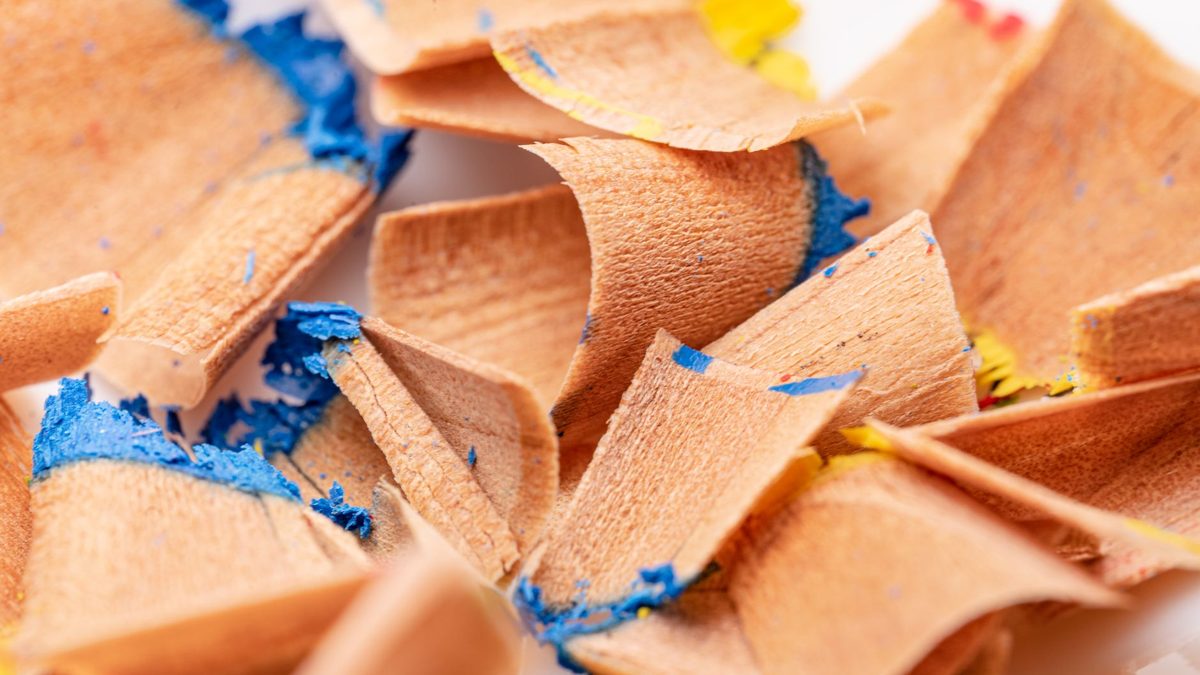
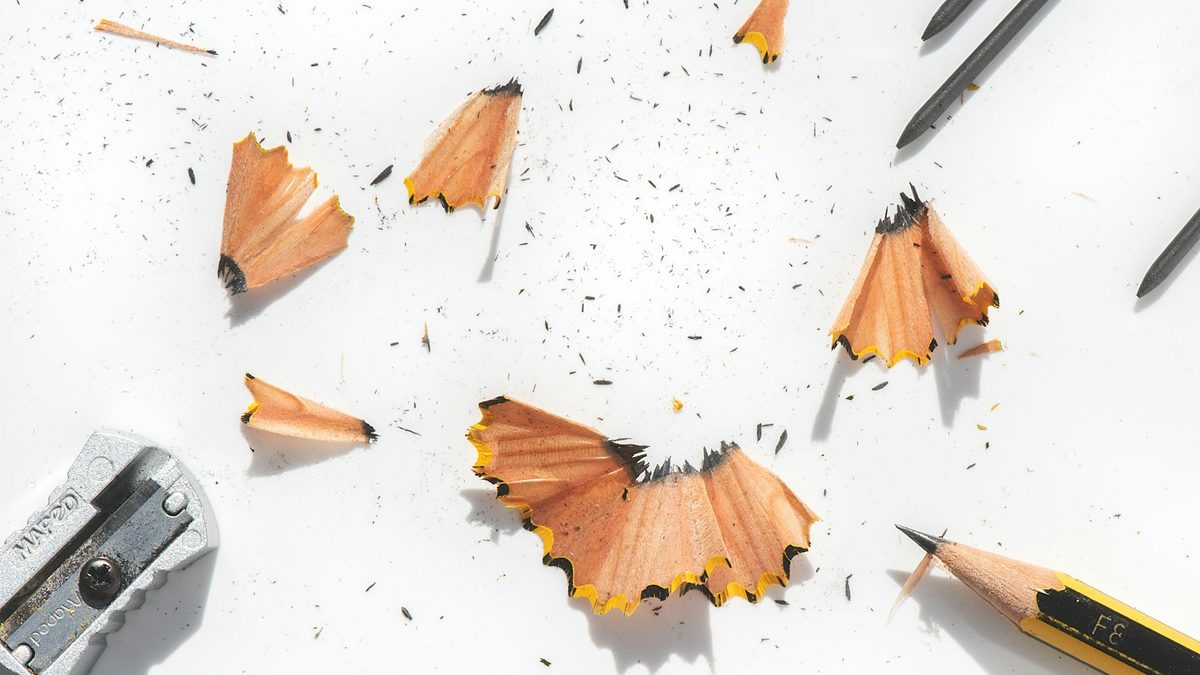
The shavings tell you almost everything. Long, continuous, curling ribbons mean a sharp blade cutting cleanly. Short flakes and dust mean the blade is tearing rather than slicing, and the point will not last.
Stop as soon as fresh wood shows all the way round the cone. Every extra turn after that is pencil going into the bin rather than onto the page.
Why it keeps breaking
There are only four real causes, and they are easy to tell apart.
| Symptom | Likely cause | Fix |
|---|---|---|
| Breaks every single time, any sharpener | Core cracked inside the barrel | Retire the pencil; it cannot be saved |
| Breaks in this sharpener only | Blunt or chipped blade | Replace the sharpener |
| Point looks off-centre | Core not centred in manufacture | Nothing to do; a build fault |
| Snaps while writing, not sharpening | Too long a taper, or heavy pressure | Shorter taper, lighter hand |
| Wood tears and flakes | Composite barrel or blunt blade | Better pencil, or a new blade |
Swipe the table sideways to see every column.
The first row is the one worth internalising. A pencil dropped point-down onto a hard floor can crack its core along a length you cannot see. No technique recovers it, and continuing to sharpen simply feeds the pencil into the bin one break at a time. Why that happens is covered in how pencils are made.
Choosing a sharpener
| Type | Point quality | Handles wrapped pencils | Lifespan | Best for |
|---|---|---|---|---|
| Basic wedge (single blade) | Adequate | Poorly — film bunches | Short | Pencil cases, spares |
| Two-hole wedge | Adequate | Poorly | Short | Mixed pencil diameters |
| Long-point wedge | Very fine | Poorly | Moderate | Drawing and shading |
| Helical crank | Excellent, consistent | Well | Years | Classrooms, desks |
| Electric | Excellent | Well | Varies by build | High volume |
Swipe the table sideways to see every column.
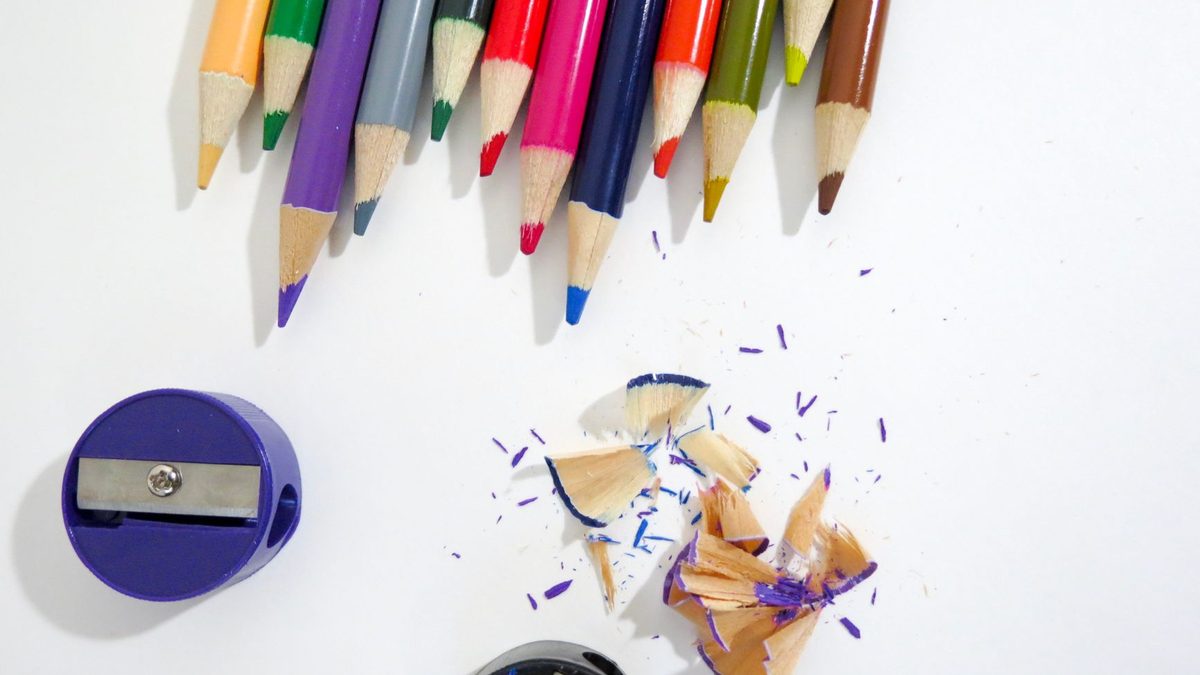
For a classroom the helical crank type is almost always the right answer. It handles shrink-wrapped novelty barrels without jamming, produces a consistent point regardless of who is turning the handle, and lasts for years rather than months.
Auto-stop is worth having
Electric sharpeners with an auto-stop feature refuse to keep grinding once the point is formed. Without it, a child will happily reduce a full pencil to a stub, and the bin fills with perfectly good graphite.
Sharpening with a blade
Artists often prefer a craft knife, because it gives complete control over the taper and exposes far more graphite than any mechanical sharpener.
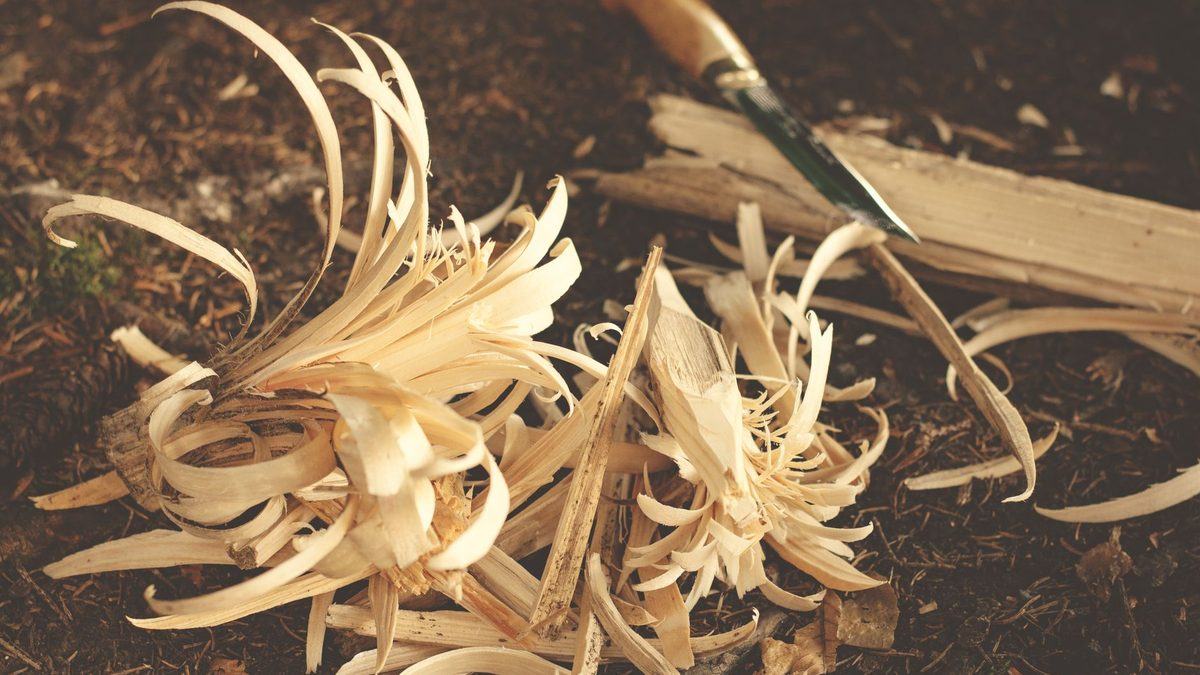
Work away from your body in small, shallow strokes, rotating the pencil as you go, and shape the wood first before touching the core. This is an adult technique, not a classroom one.
Matching the taper to the job
A long, needle-like point looks impressive and is exactly wrong for a seven-year-old pressing hard on lined paper.
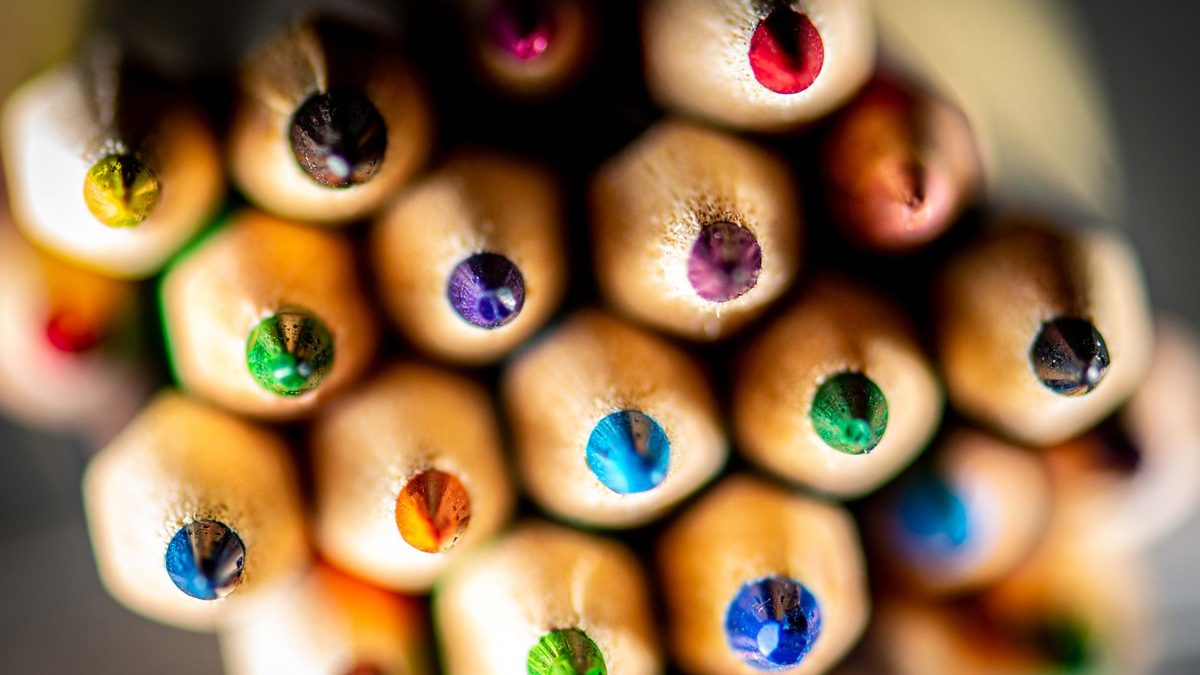
- Short taper, blunt point. Survives pressure, ideal for young children.
- Medium taper. The everyday default for writing.
- Long taper. Fine lines and shading, breaks easily under pressure.
If a child is snapping points constantly while writing, a shorter taper often solves it outright, before you start blaming the pencil.
Looking after the sharpener
Sharpeners are consumables and almost nobody treats them as such. A blade dulls, and a dull blade wrecks pencils that were perfectly sound.
- Empty it often. Packed shavings jam the cut and compress against the point.
- Keep it dry. Damp shavings clog and can rust the blade.
- Replace, do not persevere. A cheap sharpener costs less than the pencils a blunt one destroys.
- Match the hole to the barrel. Jumbo pencils in a standard hole will jam and split.
How the pencil was built matters too, of course — which novelty pencils survive a school year covers the checks worth running before a bulk order. And a pencil kept sharp and intact stays usable for everything else it might be doing, including a two-player duel at the desk. Manufacturer guidance on care and grades is published by makers such as Faber-Castell.
Frequently asked questions
What is the correct way to sharpen a pencil?
Hold a handheld sharpener still and rotate the pencil, using light and even pressure. Stop as soon as fresh wood appears all the way round the cone. Pressing harder does not cut faster; it flexes the exposed core sideways and snaps the point.
Why does my pencil keep breaking when I sharpen it?
Most often the core has cracked inside the barrel, usually from being dropped point-down on a hard floor. Those cracks are invisible and no technique recovers them. If it only breaks in one particular sharpener, the blade is blunt instead.
What is the best pencil sharpener for a classroom?
A helical crank sharpener. It produces a consistent point regardless of who uses it, copes with shrink-wrapped novelty pencils that jam cheap blade sharpeners, and lasts for years rather than a single term.
How can you tell if a pencil sharpener is blunt?
Look at the shavings. A sharp blade produces long, continuous curling ribbons. Short flakes, dust or torn fragments mean the blade is tearing the wood rather than slicing it, and points will keep breaking.
Should children have long or short pencil points?
Short. A long, fine taper snaps almost immediately under the pressure most young children apply. A shorter, blunter point survives normal writing and often solves constant breakage on its own.
Is it better to sharpen a pencil with a knife?
A craft knife gives more control over the taper and exposes more graphite, which is why many artists prefer it. It requires cutting away from the body in shallow strokes and is an adult technique rather than a classroom one.