Origami for Kids: Folds That Work at Every Age
Which models suit which age, the base folds that unlock most of them, and how to avoid the frustration that ends a session early.
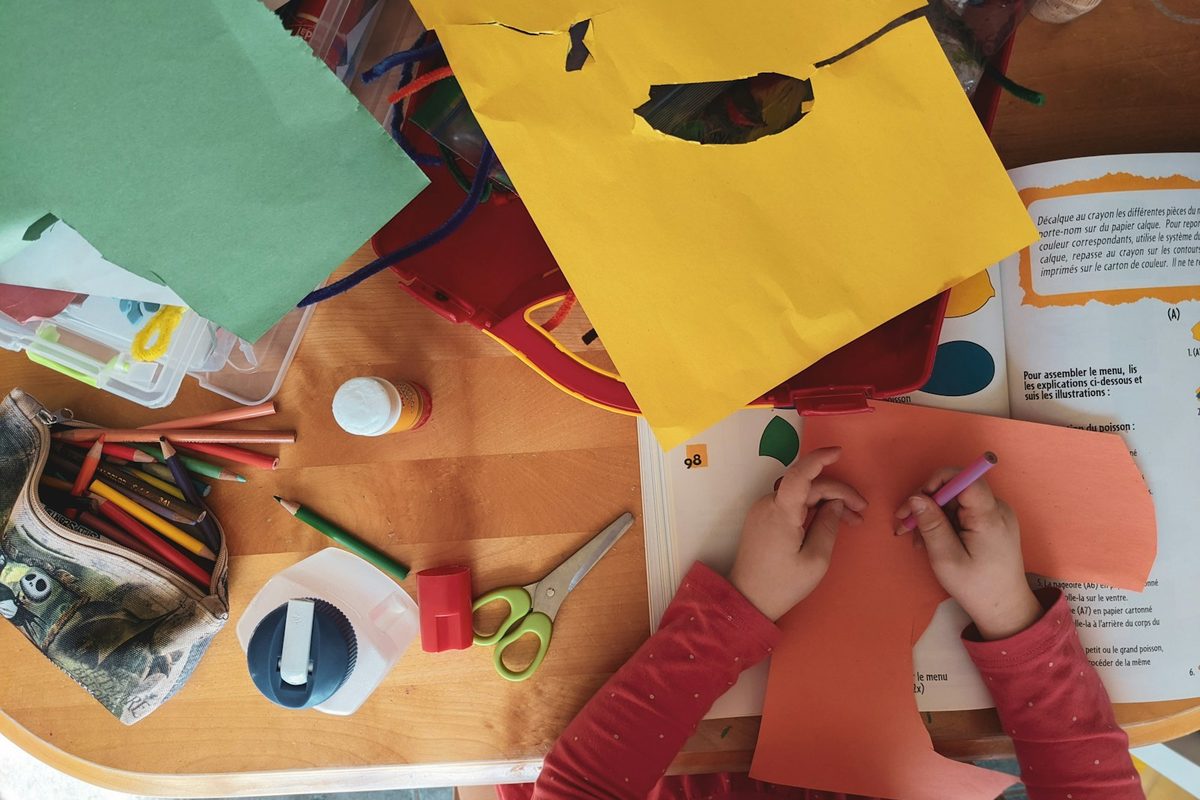
Origami sessions with children usually fail in the same way. The model is too ambitious, the paper is wrong, and twelve minutes later there is a crumpled sheet and a child who has decided they are bad at it.
None of that is about dexterity. It is about matching the model to the age and using paper that folds cleanly.
Done properly, origami for kids is one of the few activities that costs nothing, needs no clearing up, and produces something the child actually wants to keep.
Key takeaways
- Square, thin paper only. Printer paper is too thick and will not hold a crease.
- Four base folds — book, triangle, kite and blintz — unlock most beginner models.
- Under six, expect two or three folds maximum. Not twelve.
- A sharp crease is made with a fingernail, not a fingertip.
- Failure is almost always model choice, never the child.
Why the paper matters more than the model
Standard printer paper is around 80gsm and is not square. Both facts work against a child.
Thick paper resists folding, so a small hand cannot get a crease that stays. Every subsequent fold then lands slightly off, and by the fourth step the model is visibly wrong.

Real origami paper is thin, perfectly square, and usually coloured on one side. That colour difference is genuinely useful, because it lets a child see instantly whether a fold went the right way.
If you have none, cut printer paper to a true square and accept simpler models. Choosing paper for children’s activities generally is covered in notebooks and paper for kids.
The four folds that unlock everything
Almost every beginner model starts from one of four bases. Teach these first and most instructions become readable.
| Base | How it is made | Leads to |
|---|---|---|
| Book fold | Edge to opposite edge | Cards, simple boxes |
| Triangle fold | Corner to opposite corner | Hats, boats, cups |
| Kite fold | Two edges to the centre crease | Birds, fish, planes |
| Blintz fold | All four corners to the centre | Fortune tellers, flowers |
A child who can make all four reliably can attempt perhaps thirty different models without learning anything new.
Teach them as shapes with names rather than as steps in a particular model. A child who knows what a kite fold is can be told to make one and will do it, which turns a twelve-step instruction into four.
How to actually make a crease
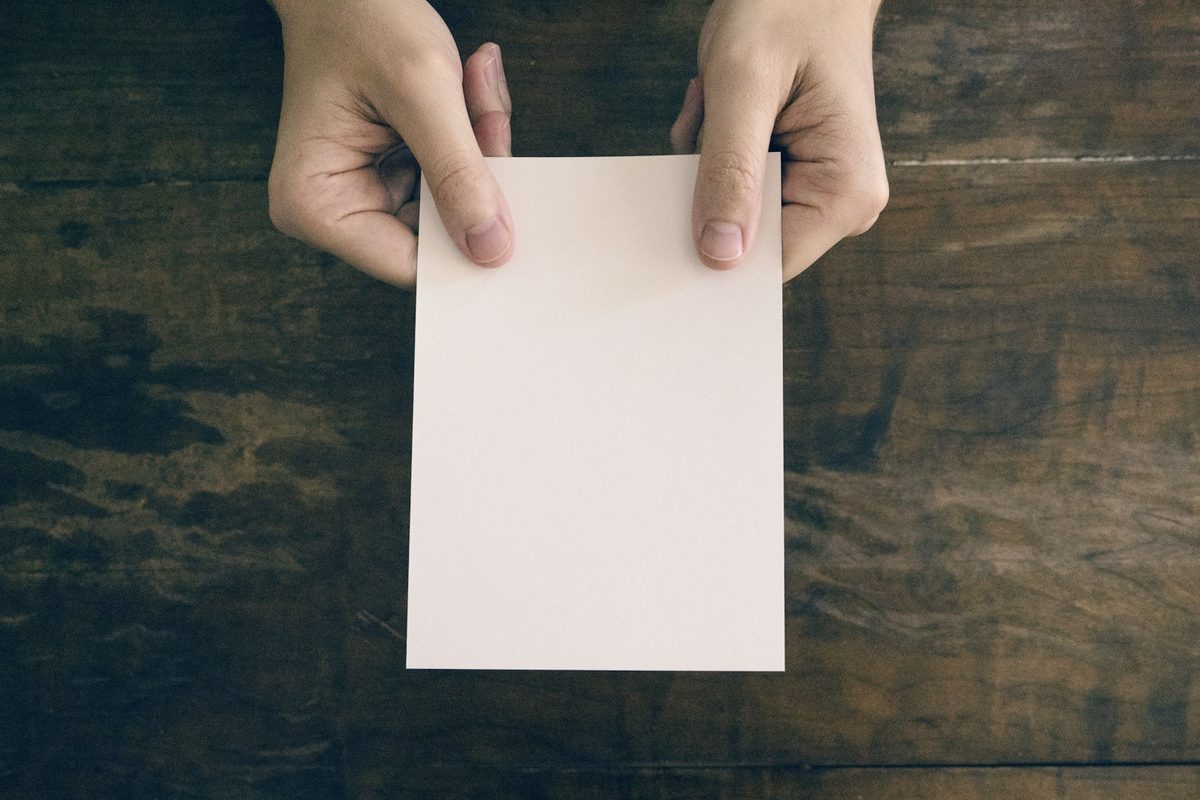
Line the edges up before pressing anything. Hold them together, flatten the fold with a flat palm, then run a fingernail along the crease from the middle outwards.
Children almost always press with a soft fingertip, which produces a rounded fold that unfolds itself. Showing them the fingernail method fixes half of all origami problems in one demonstration.
The other common error is folding in mid-air. Paper held between two hands cannot be aligned accurately, so the crease lands crooked and every later step inherits the error.
Keep the sheet flat on the table, fold the near edge up to meet the far one, and only then press. It looks slower and is considerably faster.
Which models suit which age
The single biggest cause of a failed session is a model with too many steps for the child in front of you.
| Age | Folds they can manage | Good models | Avoid |
|---|---|---|---|
| 3–4 | 1–2 | Simple hat, greetings card | Anything with a reverse fold |
| 5–6 | 3–5 | Dog head, cup, boat | Models needing precision |
| 7–8 | 6–10 | Fortune teller, jumping frog | The crane, usually |
| 9–11 | 10–20 | Crane, lily, modular cubes | Wet-folding, complex insects |
Swipe the table sideways to see every column.
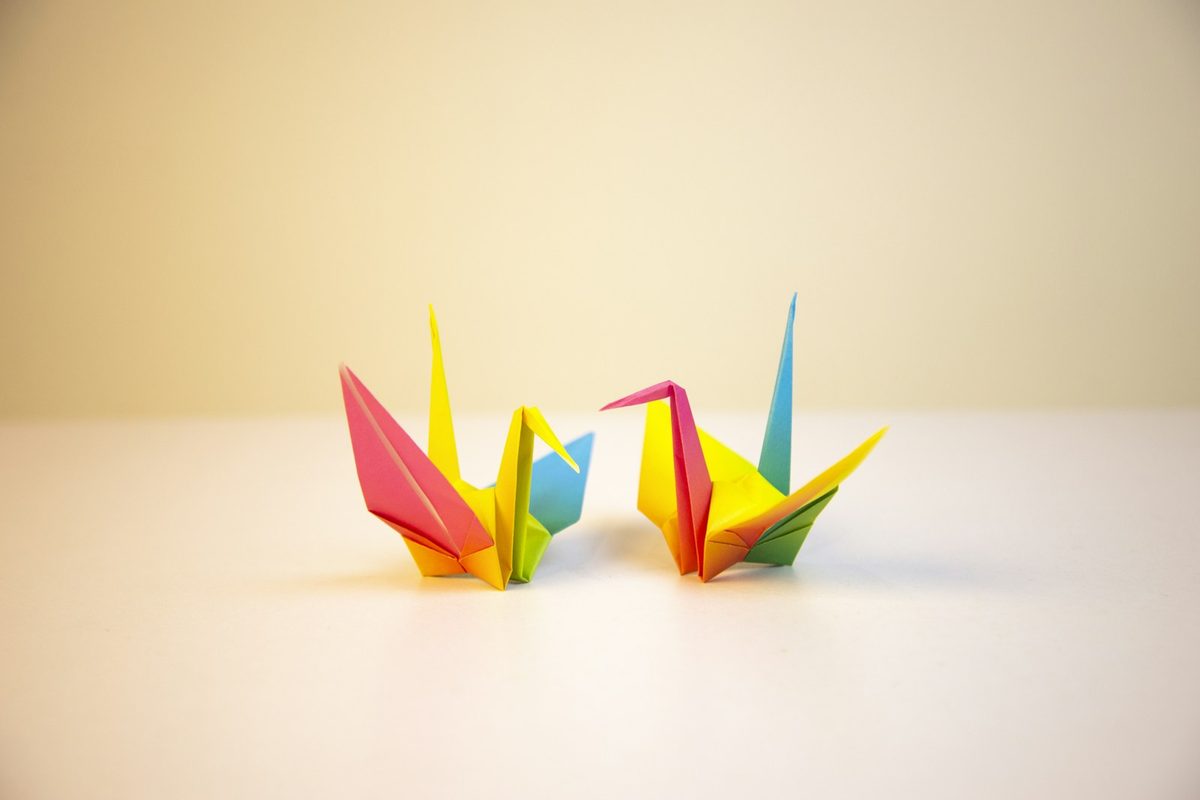
The paper crane is the model everyone reaches for, and it is the wrong first choice. It needs a squash fold and two reverse folds, which are genuinely hard concepts before eight or nine.
Running a session that does not collapse
Fold your own copy alongside the child rather than watching over them. They can then copy a shape in front of them instead of decoding a diagram.
Work on a hard flat surface. A carpet or a lap makes sharp creases impossible, and soft creases are what cause models to fail three steps later.
Keep a scrap pile
Have spare squares within reach and treat a ruined sheet as normal rather than as a setback. A child who has to ask for more paper has already been told, silently, that mistakes are expensive.
It works well as an indoor fallback for the same reasons as the options in rainy day activities at home: no setup, no mess, and it stops cleanly at any moment.
Mixed ages together
Give everyone the same paper but different models, so a four-year-old folding a hat sits beside a nine-year-old folding a crane without either feeling mismatched.
That is the same principle behind games for mixed-age kids — equal materials, different targets.
The British Origami Society publishes graded diagrams and beginner sequences if you want a structured progression rather than a random set of models.
For children who enjoy the drawing side more than the folding, drawing for kids covers a similar activity with the same low setup cost.
Frequently asked questions
What age can children start origami?
Around three, provided the model is one or two folds. A simple hat or a folded card is achievable at that age. Anything requiring accuracy or a reverse fold should wait until at least five, and the paper crane usually until eight or nine.
What paper is best for origami with children?
Thin square origami paper, ideally coloured on one side so the child can see which way a fold has gone. Printer paper is too thick to hold a crease in small hands and is not square, which throws every later fold slightly out of alignment.
What is the easiest origami model to start with?
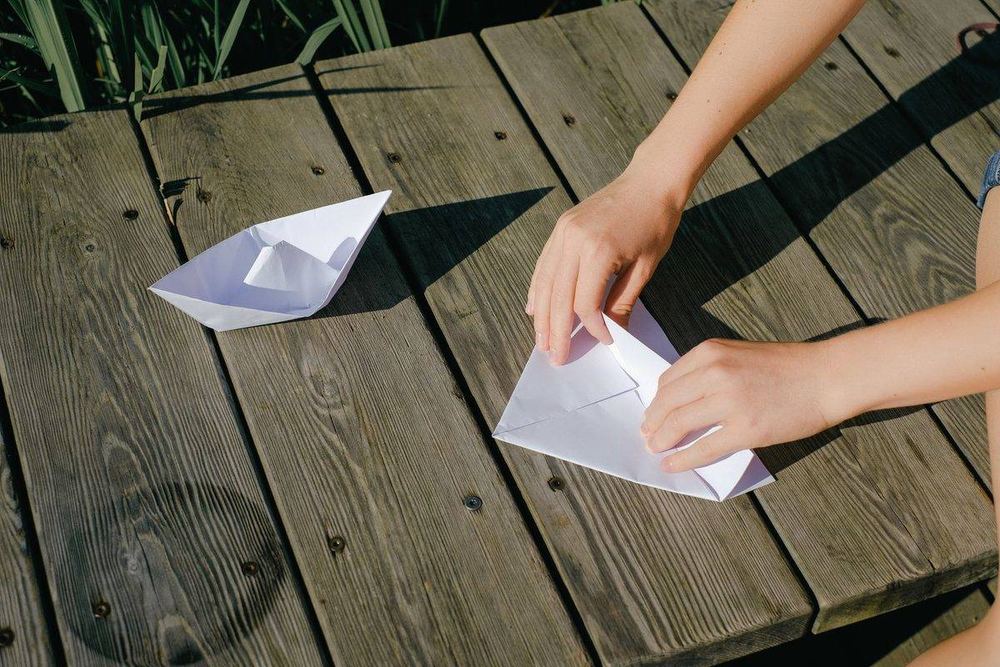
The triangle hat or a simple folded card, both of which need one or two folds and give an immediate recognisable result. The paper boat at around six folds is a good second step, and the fortune teller is the usual favourite from about seven.
Why do my child’s origami models keep falling apart?
Almost always because the creases are too soft. Children press with a fingertip, which leaves a rounded fold that springs open. Teaching them to line the edges up first and then run a fingernail along the crease solves it in a single demonstration.
Is origami good for children’s development?
It exercises fine motor control, sequencing and spatial reasoning at once, and it requires following instructions in a fixed order. It also gives a clear finished object at the end, which sustains attention better than open-ended craft for many children.
How long should an origami session last?
Fifteen to twenty minutes for younger children and up to forty for those over eight. Finishing while they still want to continue is better than pushing to frustration, and a small stack of spare squares makes it easy to stop at any point.