Drawing for Kids: Why They Say They Cannot, and What Helps
Drawing taught as a procedure rather than a talent — shapes before outlines, and the one sketchbook rule that matters.
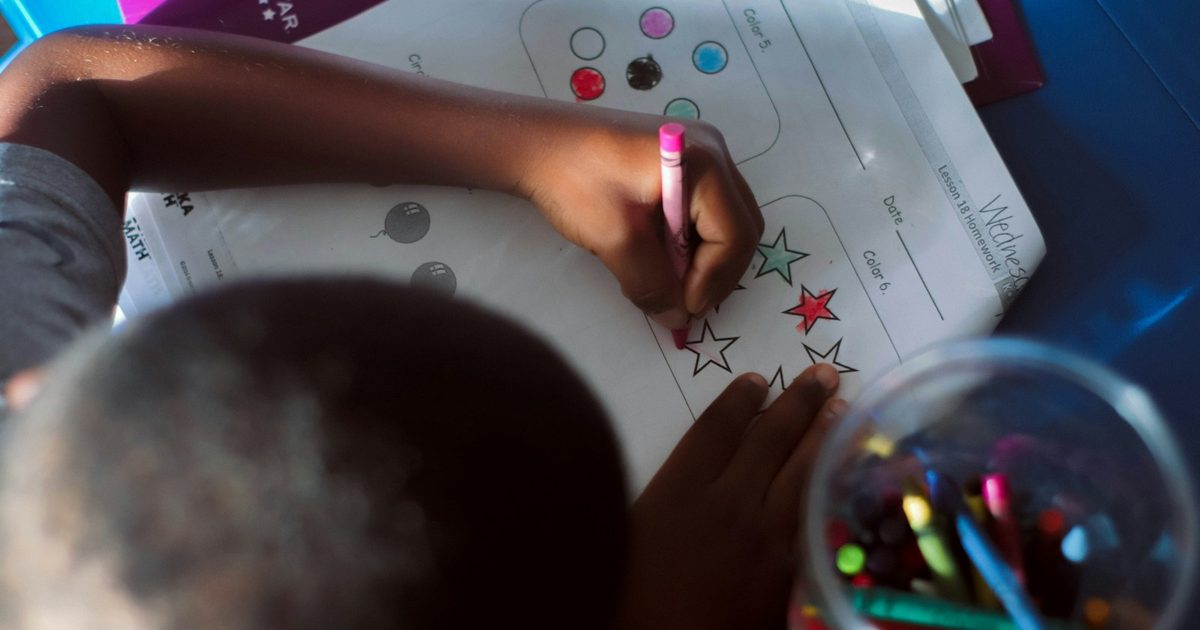
Somewhere around age eight, a large number of children announce that they cannot draw and more or less stop.
What has usually happened is not a loss of ability. It is that their standards have raced ahead of their technique, and nobody has shown them that drawing is a set of learnable procedures rather than a talent you either have or do not.
Most advice on drawing for kids skips straight to what to draw. The more useful question is how to approach any subject at all, because that transfers and a step-by-step dinosaur does not.
Key takeaways
- Drawing is procedural: shapes first, refine second. It is taught, not inherited.
- The “I can’t draw” moment is about rising standards, not falling ability.
- Draw lightly first. Committing to a dark outline immediately is the most common mistake.
- Drawing from observation improves work faster than drawing from memory.
- A sketchbook nobody comments on is worth more than any set of lessons.
Start with shapes, not outlines
Ask a child to draw a cat and most will start at the ear and trace an outline all the way round, hoping it meets up. When it does not, the drawing is wrong and cannot be fixed.
Almost every teaching method begins the same way instead: block in simple shapes, get the proportions roughly right, then refine.
A cat becomes a circle for the head, an oval for the body, two triangles for ears. Proportion is settled while everything is still easy to move, and only then does the drawing get details.
Draw lightly
This one habit changes results more than anything else, and children resist it because faint lines look like nothing is happening.
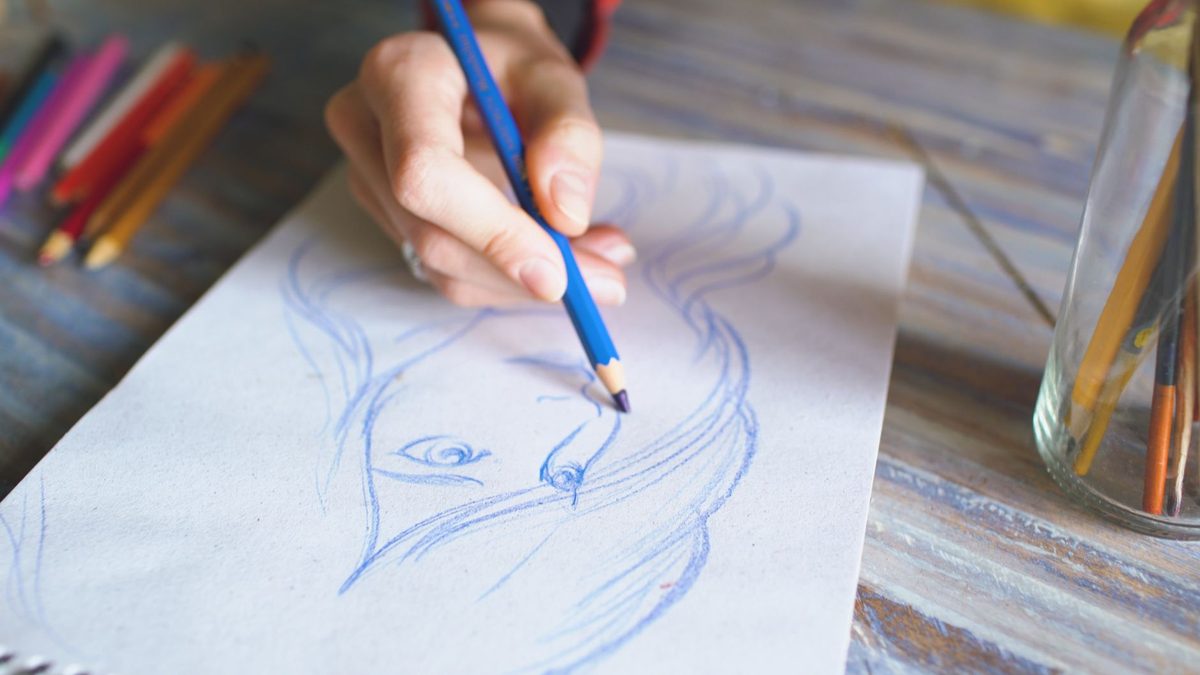
A light line is a suggestion; a dark one is a commitment. Pressing hard also flattens the paper’s tooth, so erasing leaves a visible groove that no amount of rubbing removes — the effect explained in how erasers work.
A softer pencil helps, because it marks darker with less pressure. HB is a fine default and 2B is better for sketching.
Look at the thing
Most children draw from memory, which means they draw a symbol for a cat rather than a cat. Symbol drawing plateaus quickly, and that plateau is what produces the “I can’t draw” moment.
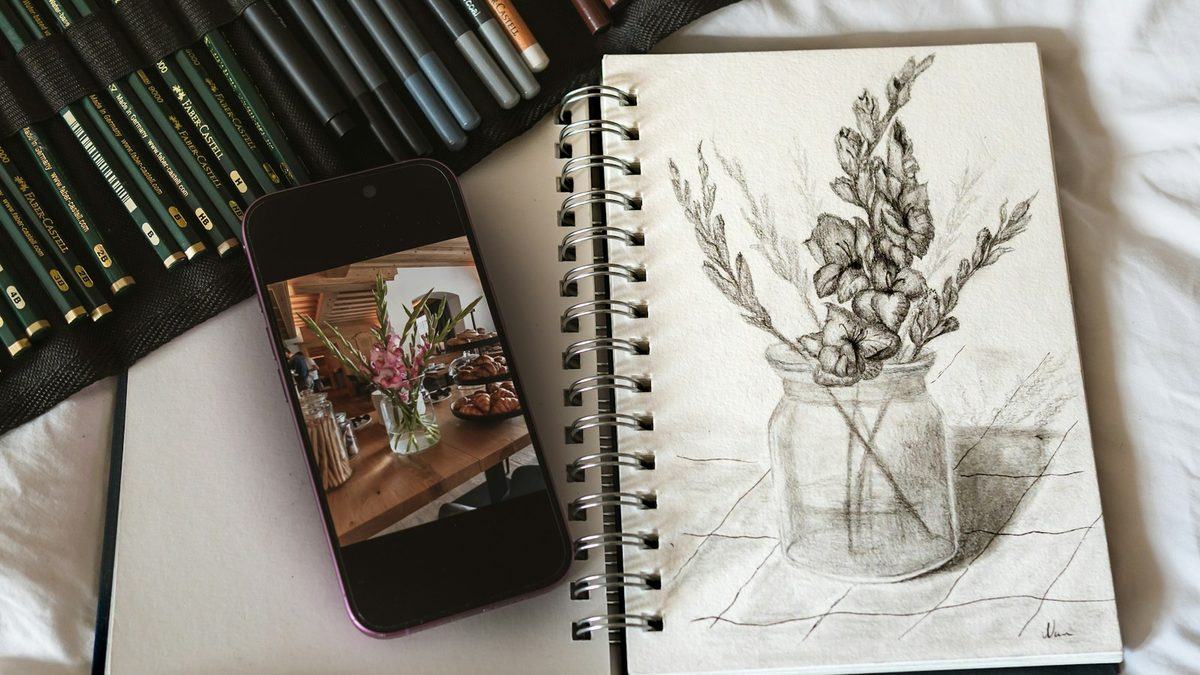
Put a real object on the table — a shoe, a mug, a crumpled bag — and the drawing improves immediately, because they stop retrieving a stored symbol and start reporting what is actually there.
Exercises that actually work
| Exercise | What it trains | Time | Ages |
|---|---|---|---|
| Blind contour | Looking rather than assuming | 5 min | 7+ |
| Draw it in three shapes | Proportion and structure | 5 min | 5+ |
| Upside-down copy | Bypasses symbol memory | 15 min | 9+ |
| Negative space | Seeing gaps, not objects | 15 min | 9+ |
| Five-line drawing | Economy and decision-making | 2 min | 6+ |
| Squiggle finishing | Play, no pressure | 5 min | 4+ |
Swipe the table sideways to see every column.
Blind contour is the strangest and the most useful. Draw an object without once looking at the paper. The result is always distorted and always more observant than a careful attempt.
Copying is not cheating
Children are often told not to copy, which is unhelpful. Copying an existing drawing teaches how someone else solved a problem, exactly as practising a piece of music does.
The distinction worth teaching is between copying to learn and passing work off as your own. The first is how nearly every artist has ever trained.
The sketchbook
A sketchbook is the highest-value thing you can hand a child who likes drawing, provided one condition holds: nobody comments on it unless invited.
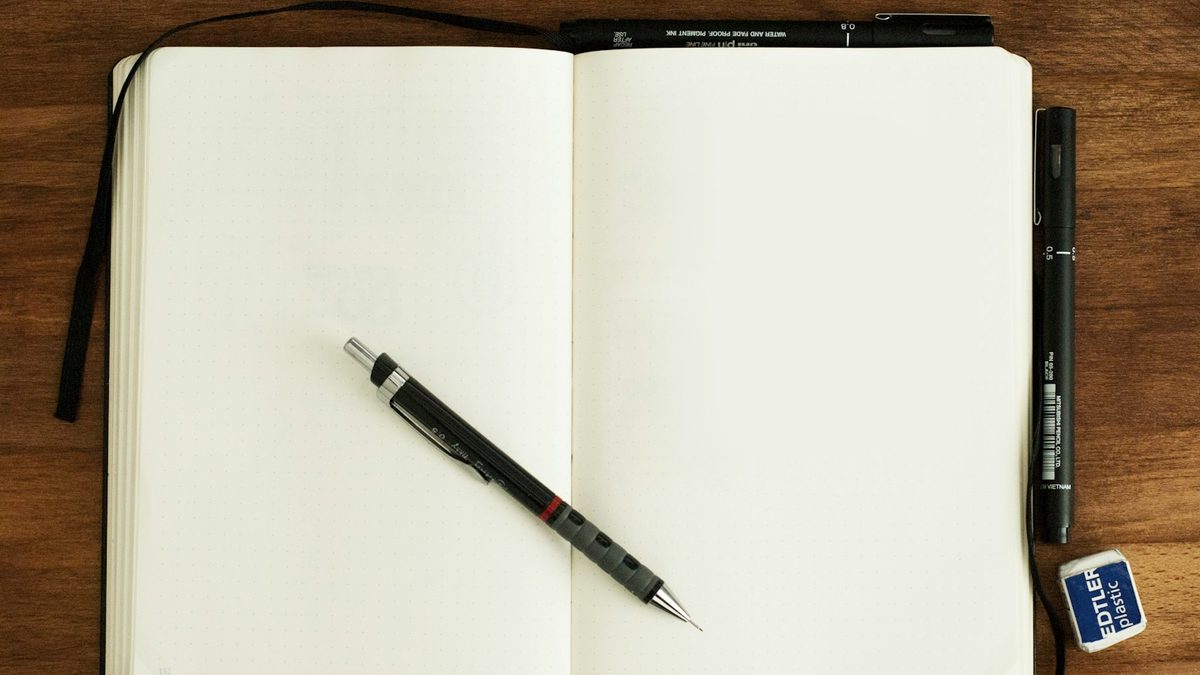
The moment a sketchbook becomes something adults inspect and praise, it stops being a place to experiment and becomes a gallery. Bad drawings stop happening, and bad drawings are where the improvement lives.
Paper matters more than people expect — thin paper buckles and shows through, which is covered in notebooks and paper for kids.
Handling “I can’t draw”
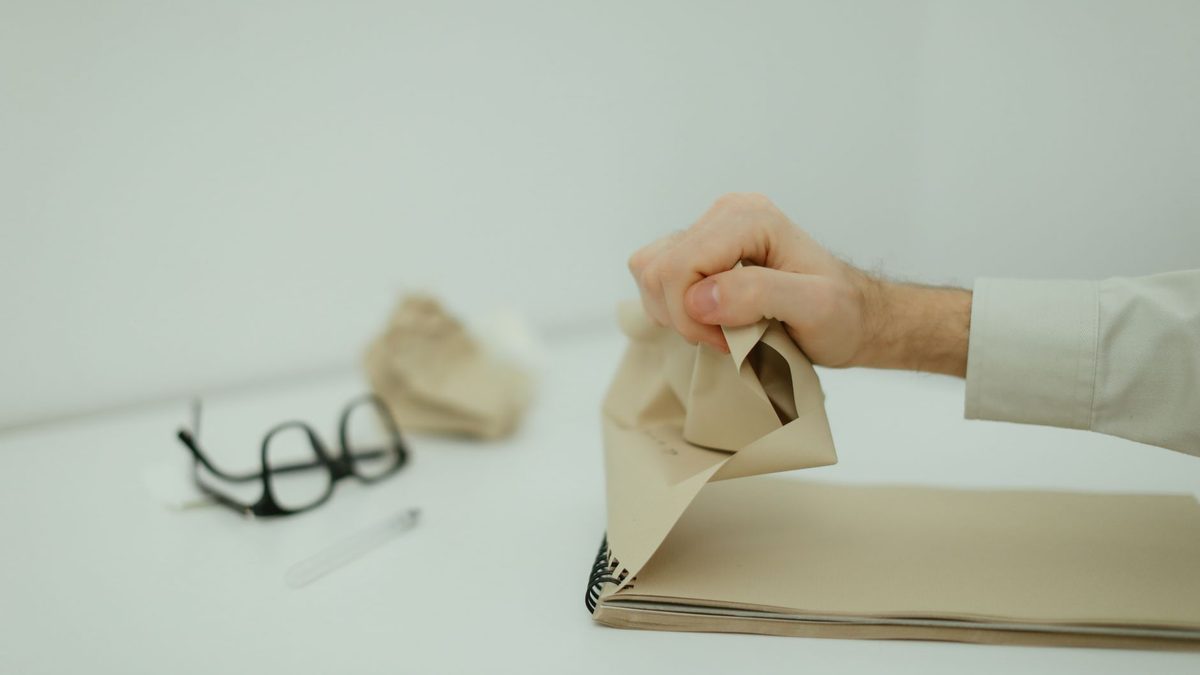
The response that rarely helps is “yes you can”. The child can see the drawing and knows it does not match what they intended.
What does help is naming the actual situation: their eye has improved faster than their hand, which is exactly what happens to everyone, and the hand catches up with practice rather than talent.
- Name one specific thing that works. “The ears are exactly right” beats “that’s lovely”.
- Offer a procedure, not encouragement. “Try blocking it in first” is actionable.
- Draw alongside them. Being visibly imperfect yourself does more than any praise.
- Keep sessions short. Ten focused minutes beats an hour of grinding.
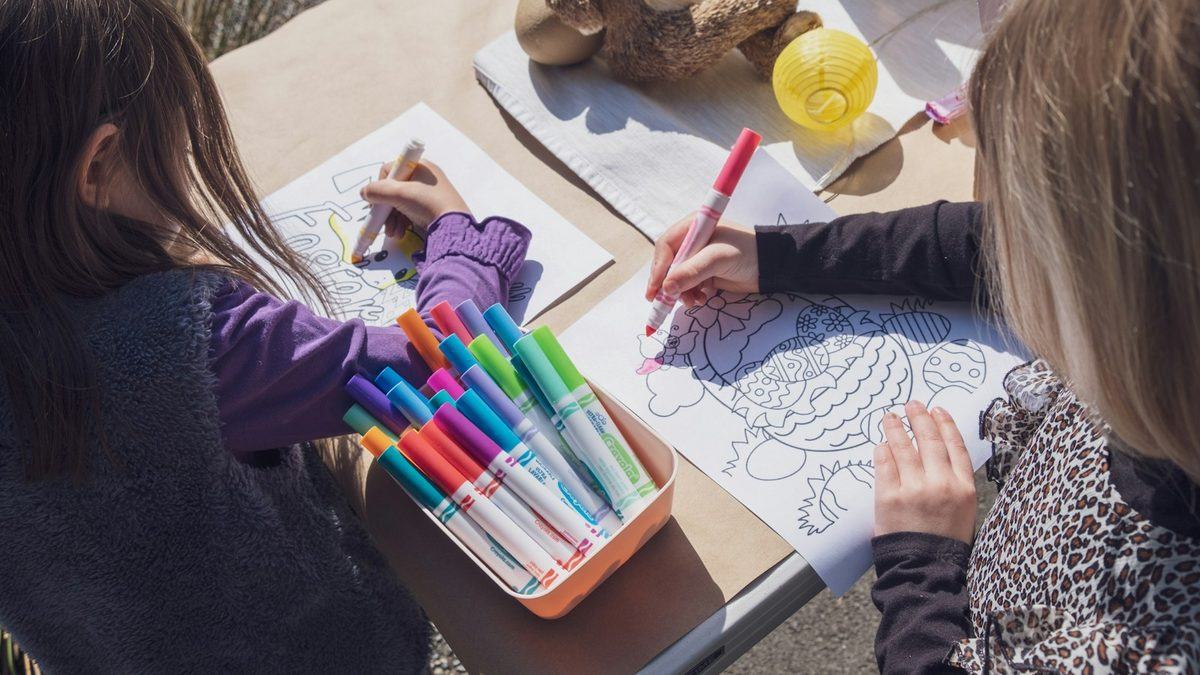
Galleries such as the Royal Academy of Arts publish free drawing resources built around exactly these procedural exercises.
Keep the old ones
Date the drawings and keep them. Nothing convinces a child that practice works like seeing what they produced a year ago, and it is far more persuasive than being told they are improving.
What to actually buy
Very little. An HB and a 2B pencil, a plain sketchbook, and a decent eraser will cover several years.
Elaborate sets are usually a way of buying enthusiasm, and enthusiasm is not the constraint. If you are buying anything, buy paper that does not buckle and a pencil that does not shed its point every third stroke — see which pencils survive a school year and colored pencils for the difference quality makes.
Frequently asked questions
How do you teach a child to draw?
Teach it as a procedure rather than a talent. Block in simple shapes first to settle proportion, draw lightly so lines can be moved, and refine into detail last. Drawing from a real object rather than from memory improves results immediately.
Why do children say they cannot draw?
Usually around age eight, because their standards have improved faster than their technique. The drawing genuinely does not match what they intended, and telling them it is fine does not address the gap. Naming it, and offering a method, does.
What drawing exercises help children improve?
Blind contour drawing, breaking objects into three simple shapes, copying an image upside down, and drawing the negative space around an object. Each trains observation rather than repetition of remembered symbols.
What pencils are best for a child who likes drawing?
An HB for general work and a 2B for sketching covers almost everything. Softer grades mark darker with less pressure, which encourages the light construction lines that make a drawing easy to correct.
Should you comment on a child’s sketchbook?
Only if invited. A sketchbook that adults inspect becomes a gallery rather than a place to experiment, and the bad drawings stop happening. Bad drawings are where most of the improvement actually occurs.
Why should children draw lightly at first?
Because faint lines can be adjusted and dark ones cannot. Pressing hard also flattens the paper’s surface, so erasing leaves a visible groove that no amount of rubbing will remove.