Colored Pencils: What Separates the Good From the Frustrating
Wax against oil cores, why cheap sets won't colour properly, and how many colours a child actually needs.
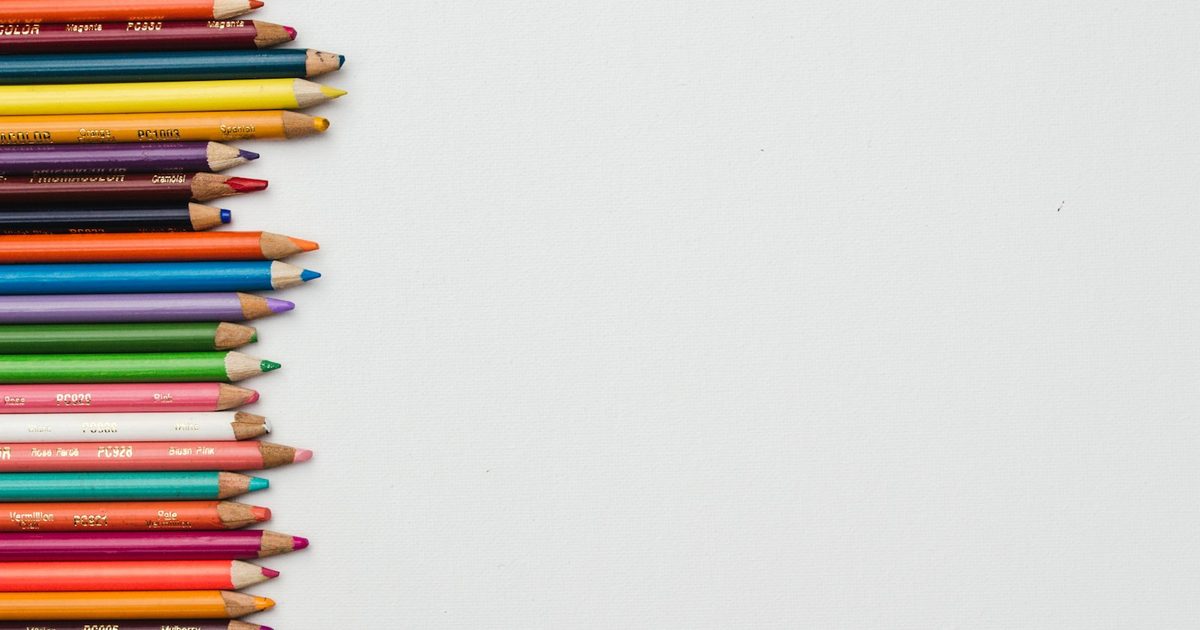
Colored pencils are the one item on a school list where price and quality track each other closely, and where the cheap version is genuinely frustrating rather than merely adequate.
The difference is not the colours. It is what the core is made of.
Key takeaways
- Colored pencil cores are pigment held in a binder — usually wax, sometimes oil.
- Wax-based cores are soft and blend easily; oil-based hold a point far longer.
- Cheap pencils fail on pigment load: you press harder and still get a pale line.
- Dropped colored pencils crack inside exactly as graphite ones do, and then crumble away.
- For children, a smaller set of good pencils beats a large set of poor ones every time.
What is actually inside
A graphite pencil core is graphite and clay, fired hard in a kiln. A colored pencil core is not fired at all.
Instead, pigment is mixed with a binder and a filler, then extruded and dried. The binder is what holds everything together and does most of the work you notice while drawing.
| Factor | Wax-based | Oil-based |
|---|---|---|
| Feel | Soft, buttery | Firmer |
| Blending | Very easy | Takes more work |
| Point retention | Wears fast | Holds a point |
| Fine detail | Harder | Much easier |
| Wax bloom | Can develop a haze | Does not |
| Breakage | More prone | Less prone |
| Typical cost | Lower | Higher |
Swipe the table sideways to see every column.
Most school pencils are wax-based, which is the right choice: soft cores lay colour down quickly and forgive a heavy hand.
Oil-based sets are worth considering only once a child has moved past filling shapes in and started caring about detail, which is usually somewhere around nine or ten.
Wax bloom
If an old drawing has developed a faint cloudy film, that is wax bloom — wax rising to the surface over time. It wipes off gently with a soft cloth and is not damage.
Where cheap sets fall down
The giveaway is pigment load: how much actual pigment sits in the binder.
Cheap pencils are mostly filler. A child presses harder to get colour, the soft core crumbles under the pressure, and the result is a pale patch with bits of broken core dragged through it.
It also becomes a sharpening problem. An unfired core in a poorly glued barrel crumbles rather than cutting, so the pencil shortens rapidly without ever holding a point — the same failure described in how to sharpen a pencil without breaking the point.
Why they cannot be sharpened like graphite
A graphite core is fired in a kiln until it is genuinely hard. A colored core is only dried, so it stays comparatively soft for its whole life.
That is why a colored pencil dulls faster, why it crumbles in an aggressive sharpener, and why a long elegant point is a waste of effort. A short, stubby point lasts longer and puts down more colour per stroke.
How many colours do you need?
Fewer than the tin suggests. A 72-colour set looks generous and mostly means the child spends longer choosing than colouring.
| Set size | Good for | Trade-off |
|---|---|---|
| 12 | Young children, school bags | Limited range, encourages mixing |
| 24 | The practical sweet spot | Very few real gaps |
| 36–48 | Keen older children | Choice starts slowing them down |
| 72+ | Serious hobbyists | Cost, and most stay unused |
Swipe the table sideways to see every column.
Twenty-four good pencils will always outperform seventy-two poor ones, and a smaller set quietly teaches layering, because the exact colour is rarely already in the tin.
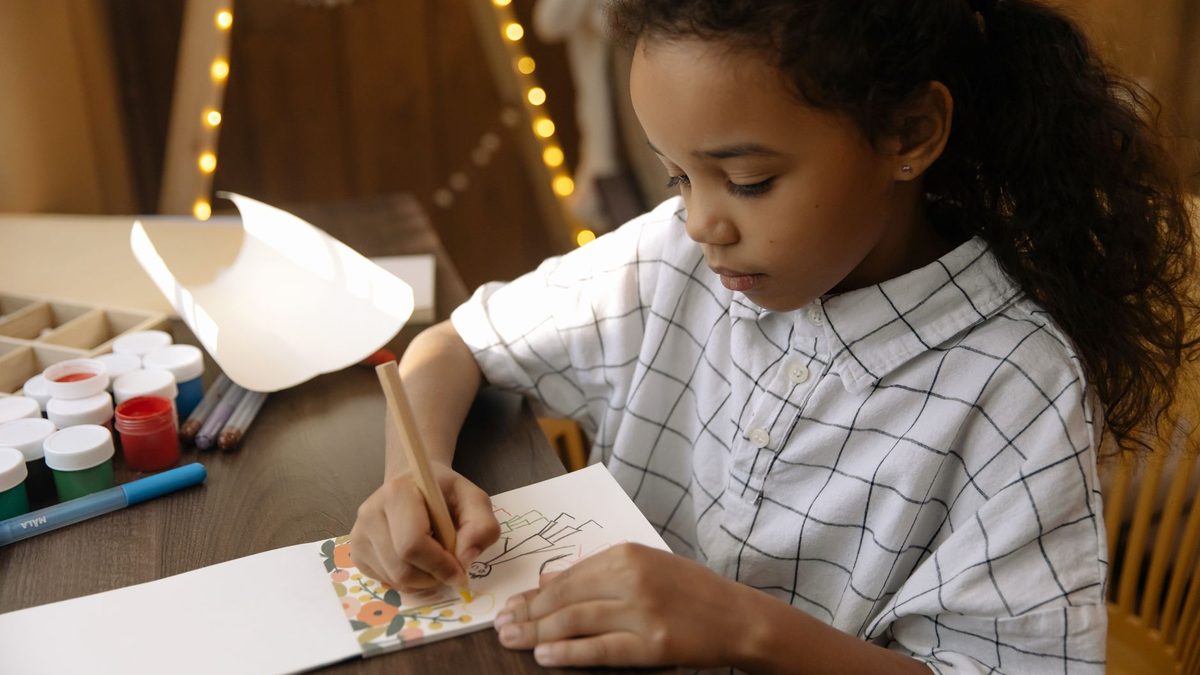
Layering, the one technique worth teaching
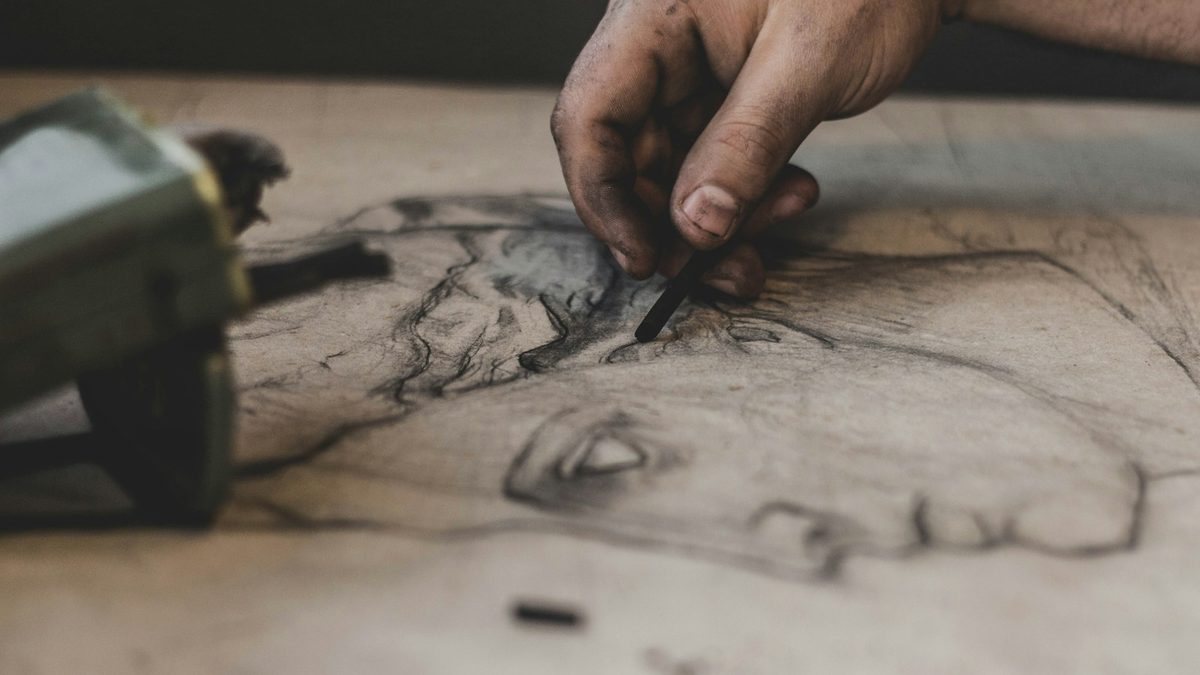
Most children colour by pressing hard in one pass. That flattens the paper tooth immediately, and once the tooth is gone nothing more will stick.
- Light pressure, several passes. Build depth gradually.
- Layer, do not press. Yellow under orange looks better than orange alone.
- Save the darkest tones for last. You can add dark to light, not the reverse.
- Keep the point reasonable. A blunt colored pencil cannot reach the paper’s texture.
Blending stumps and a colourless blender pencil both help, but neither rescues a drawing where the tooth has already been flattened by pressing.
Watercolour pencils
These have a water-soluble binder, so you can draw dry and then blend with a wet brush. Children usually love them and use them entirely as ordinary pencils, which is fine.

The catch is paper. Ordinary copier paper buckles as soon as it gets wet, so watercolour pencils need heavier stock to be worth having. Techniques and materials of this kind are documented by galleries such as Tate.
Looking after them
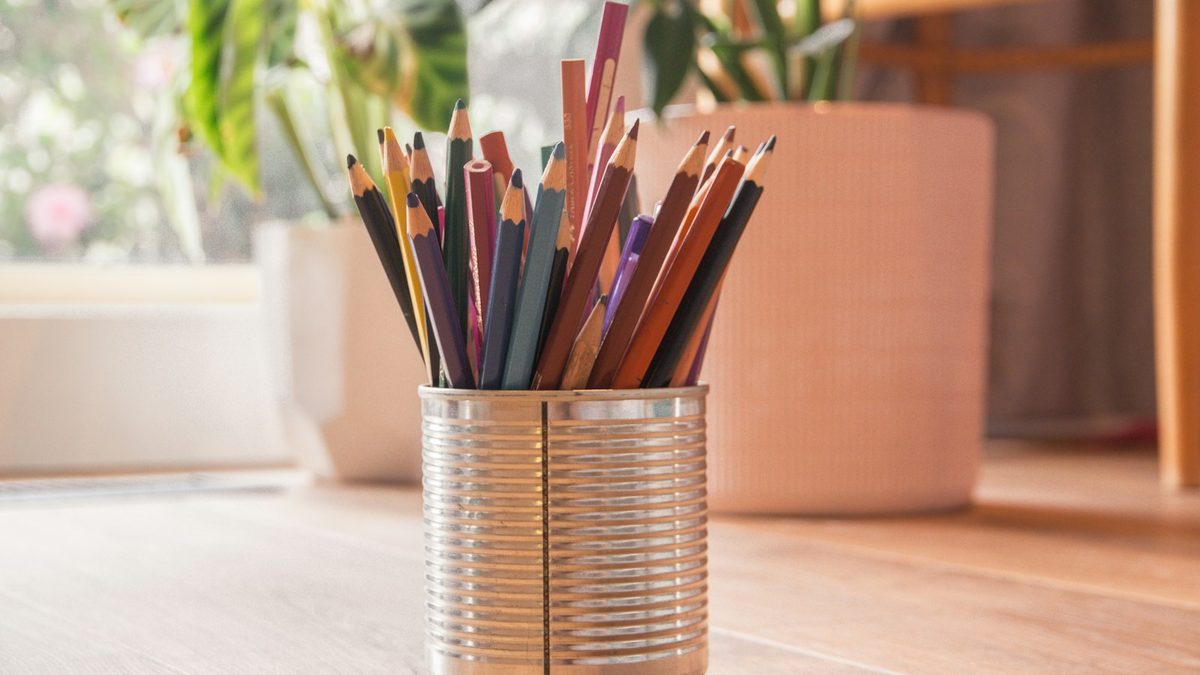
- Do not drop them. An unfired core cracks internally and then crumbles for the rest of its life.
- Store them flat or upright. Loose in a bag is how cores get shattered.
- Sharpen gently. A crank sharpener handles soft cores better than a cheap blade.
- Keep them out of the sun. Heat softens wax binders and encourages bloom.
Most of this mirrors what makes a graphite pencil survive a school year — see which novelty pencils last and how pencils are made. The difference is that a colored pencil core is never fired, so it is softer, more fragile, and considerably less forgiving of a drop onto a hard floor.
Frequently asked questions
What is the difference between wax and oil-based colored pencils?
Wax-based cores are softer, blend easily and lay colour down quickly, but wear fast and can develop a cloudy wax bloom. Oil-based cores are firmer, hold a point far longer and suit fine detail, but cost more and take more effort to blend.
Why do cheap colored pencils not colour properly?
Because they contain more filler than pigment. The child presses harder to compensate, which crumbles the soft core and produces a pale, patchy result with bits of broken core dragged through it.
How many colored pencils does a child need?
Twenty-four is the practical sweet spot, and twelve is plenty for younger children. A smaller set of good pencils outperforms a large set of poor ones, and it quietly teaches layering because the exact shade is rarely already in the tin.
Why do colored pencil leads keep breaking?
Usually because the pencil has been dropped. Colored pencil cores are not kiln-fired like graphite, so they are softer and crack internally on impact, then crumble every time they are sharpened. Heavy pressure while colouring does the same.
What is wax bloom on a drawing?
A faint cloudy film that develops over time as wax rises to the surface of a wax-based colored pencil drawing. It is not damage and wipes away gently with a soft cloth. Oil-based pencils do not produce it.
Do watercolour pencils need special paper?
Yes, if you intend to use water. Ordinary copier paper buckles as soon as it is wet, so heavier stock is needed for the blending to work. Used dry, they behave like ordinary colored pencils on any paper.