Features
What makes Battle Pencils work — a real cedar pencil, nothing breaks, two players, and under a minute to learn.

A Battle Pencil has to do two jobs at once. It has to be a game piece worth collecting, and it has to be a pencil good enough that a teacher never has to think about it.
Most novelty stationery manages one of those. These are the things we built in to manage both.
It is a real pencil first
Cedar barrel, No. 2 HB graphite core, latex-free eraser. The same specification as a decent classroom pencil, because a pencil that writes badly stops being carried, and a pencil that is not carried is not a game.
HB is the balanced middle of the grading scale: dark enough to read, hard enough to hold a point under a heavy-handed seven-year-old. Why that matters is set out in how pencils are made.
Nothing breaks
The playground game this descends from settled every round by snapping a pencil in half. Ours is decided by the number you roll, so both pencils survive and go back in the case.
That single change is what makes it usable at a desk. It removes the cost, the mess and the eye-injury risk that got the original banned in a great many schools — covered honestly in is pencil fighting safe?
Two players, ages 6+
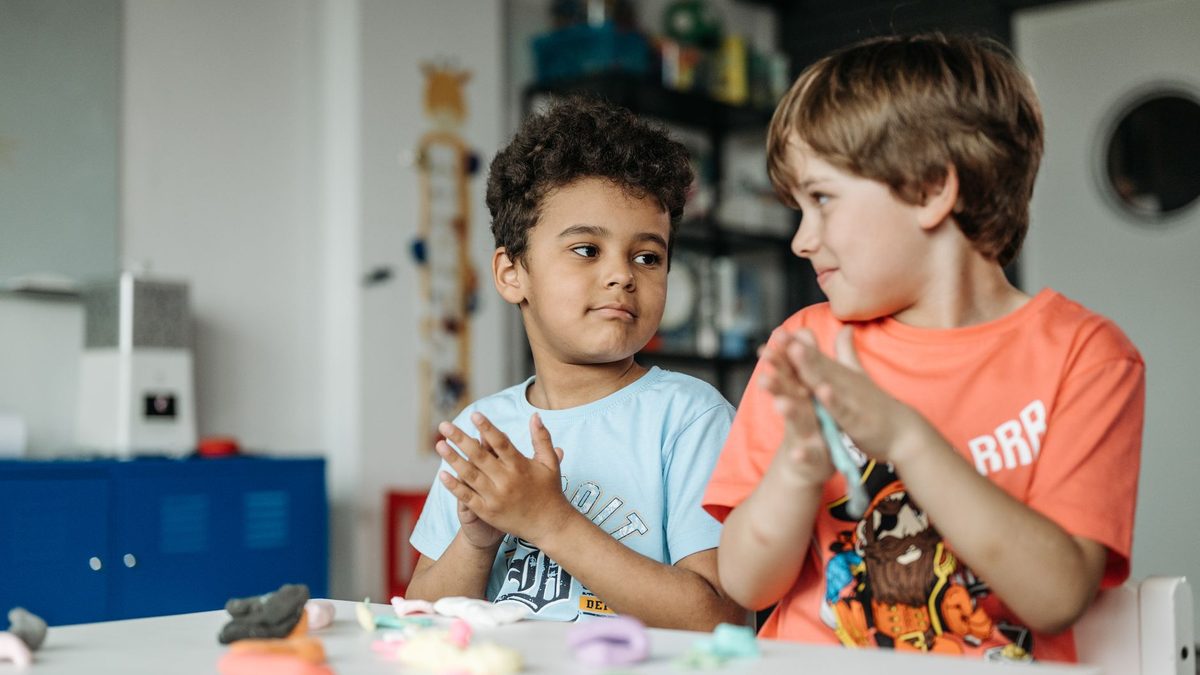
Both players roll simultaneously, so there is no turn order and no waiting. A round resolves in seconds, which means a loss is immediately followed by another go rather than by five minutes of sitting out.
The only skills required are recognising three symbols and comparing two numbers.
Learn it in under a minute

Roll, compare, knock out. That is the whole game, and a child who has played once can teach it to someone who has not.
That matters more than it sounds. A game a child can teach spreads on its own; a game that needs an adult to explain it does not. The full rules are on how to play.
No scorekeeping
Nothing to write down and nothing to remember. The pencils set aside on the table are the score, so the state of the game is always visible to both players and to anyone walking past.
Every pencil plays differently
Each character carries its own distribution of numbers across the three symbols — different averages, different spreads, all balanced to the same total power.
So no pencil is simply stronger than another. What changes is how it behaves: some run hot and swing hard, others grind out reliable results. The pencils explains how that works, and the Penagerie introduces the roster.
Built to collect and trade
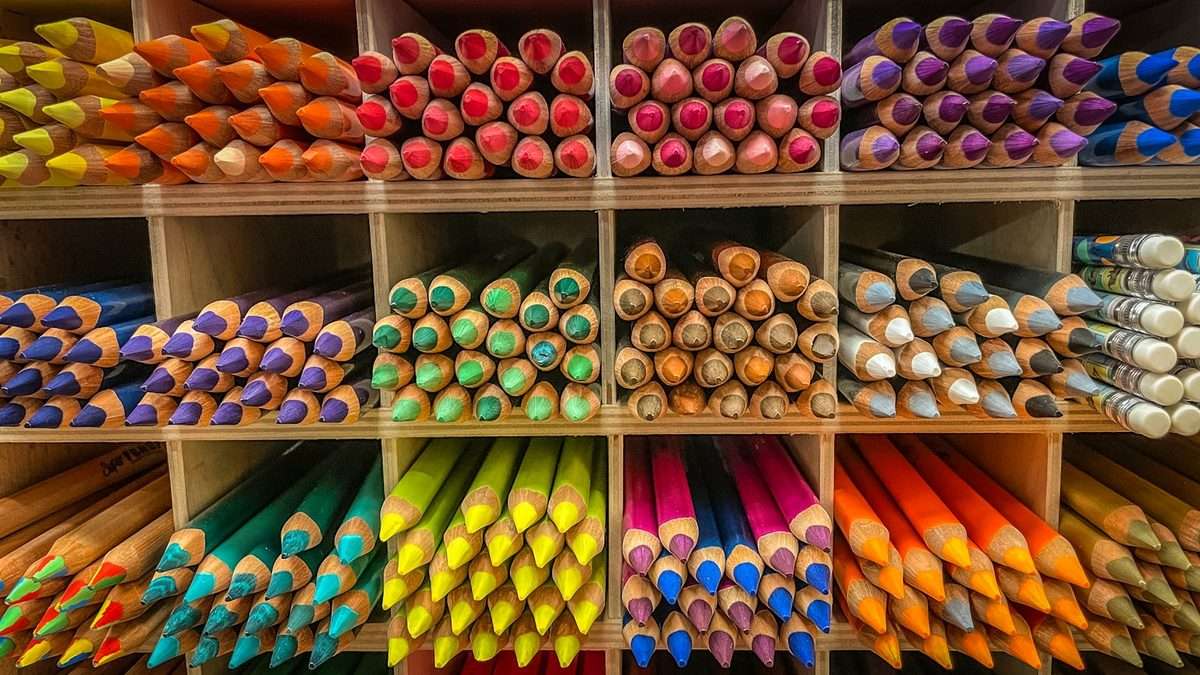
Because characters are balanced rather than tiered, collecting is about covering more matchups rather than acquiring stronger pieces. Chase pencils like Optimistic Prime are interesting, not dominant.
That is a deliberate choice: a rare item that also wins games turns a hobby into an arms race. More on why children collect at all in why kids collect things.
Maths, quietly
Every round is a comparison, and choosing which pencil to commit is a judgement about spread and risk. Nobody mentions it, which is exactly why it works — the same principle behind maths games that do not feel like homework.
It fits where children already are
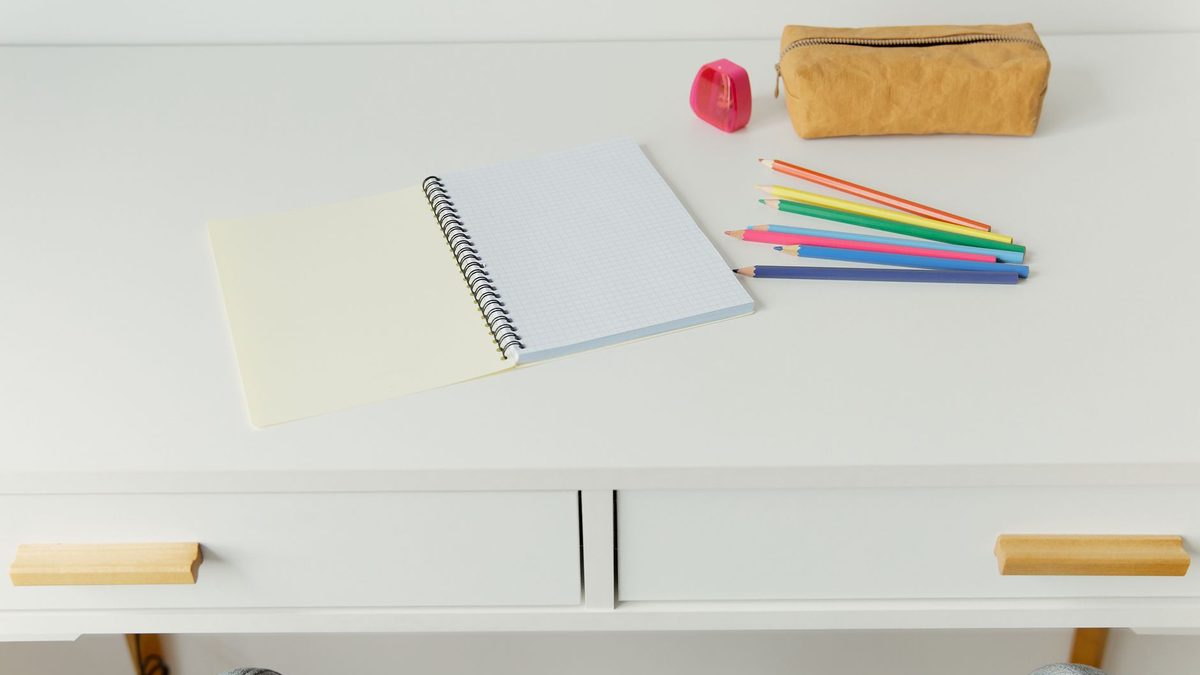
No board, no cards, no components to lose, nothing to set up or pack away. It travels in the pencil case that is already in the bag, and it works on a desk, a tray table or a floor.
Which means it gets played in the five minutes that actually exist, rather than the half hour that rarely does.
The short version
- A working pencil — cedar, No. 2 HB, latex-free eraser.
- Nothing is destroyed — decided by a roll, not a snap.
- Two players, ages 6+, rolling at the same time.
- Under a minute to learn, and children can teach it themselves.
- No scorekeeping — the table shows the state.
- Balanced characters, so collecting adds options rather than power.
- Nothing to carry beyond what is already in the pencil case.
If you want the rules right now, start with how to play. If you would rather read around the subject first, everything we have written lives in the guides.