Is Pencil Fighting Safe? What Parents and Teachers Should Know
What actually goes wrong in pencil fighting, how serious the risk is, and what to offer children instead of a blanket ban.
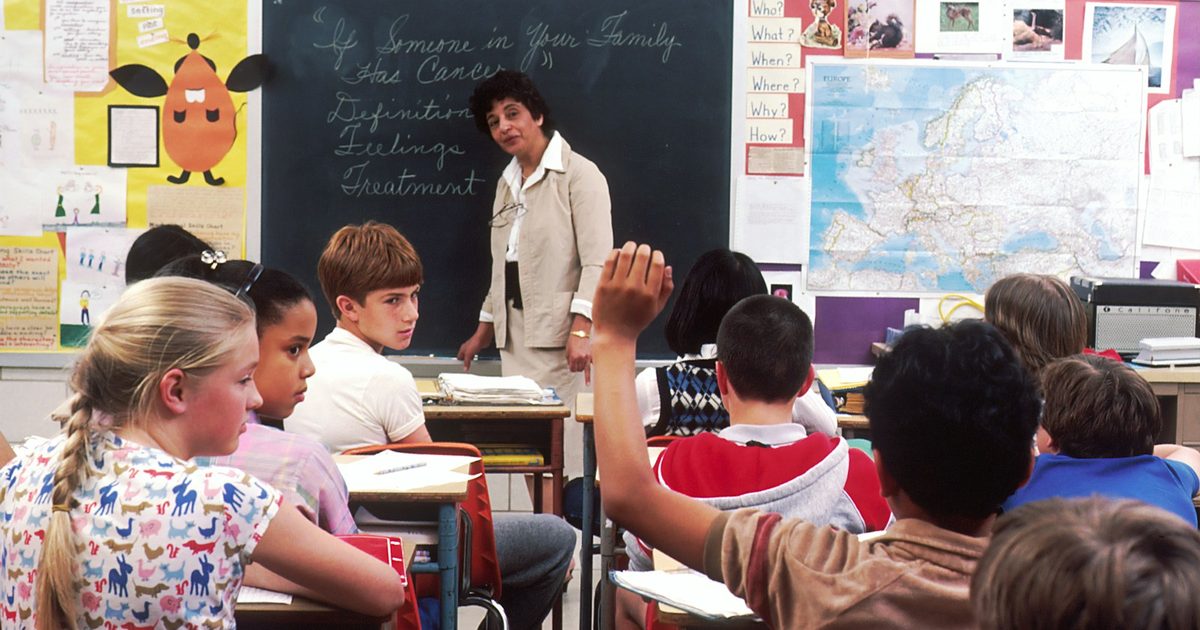
Pencil fighting comes back around every few years, and the question that follows it is always the same: is this actually dangerous, or is it just noisy?
The honest answer sits between the two extremes. It is not a medical emergency waiting to happen every time, and it is not harmless either. Knowing which risk matters lets you respond proportionately instead of banning things at random.
Key takeaways
- The serious risk is eye injury from launched fragments, not struck fingers.
- Risk rises sharply when play happens at desk height, because that is roughly eye level for seated children.
- Prevent Blindness reports that around 90% of eye injuries are preventable with basic precautions.
- Blanket bans tend to move the game out of sight rather than stop it.
- Replacing the mechanic — rolling instead of breaking — removes the hazard while keeping the appeal.
What actually goes wrong
Most adults picture the danger as a rapped knuckle. That does happen, and it stings, but it is not what makes this game different from any other rough playground activity.
The real issue is what a pencil does at the moment it fails. Force loads into the shaft, the cedar holds, and then it gives way all at once. That stored energy leaves as splinters of wood and pieces of graphite travelling outward from the break.
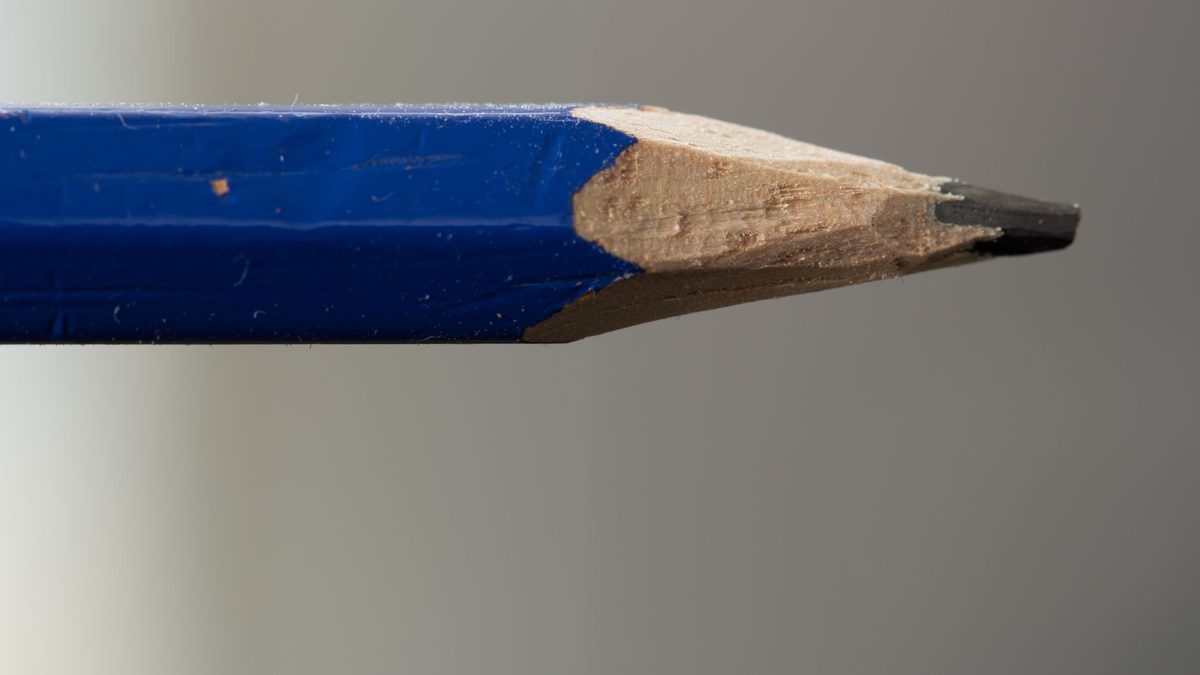
Now add the geometry. Two children sitting at a desk have their faces roughly a forearm’s length from the impact, at about the same height as it. That combination — fragments, speed and eye level — is why eye injury is the documented hazard of the classic pencil fighting format and its rules.
How worried should you be?
Proportionately. A single match between two careful children on a low table is a different proposition from a lunchtime tournament on a crowded desk.
It helps to place the risk in context rather than treating it as unique. Accidents involving common household products account for roughly 125,000 eye injuries a year in the United States, and projectile toys rank among the leading causes of vision-threatening eye injury in young children, according to Prevent Blindness.
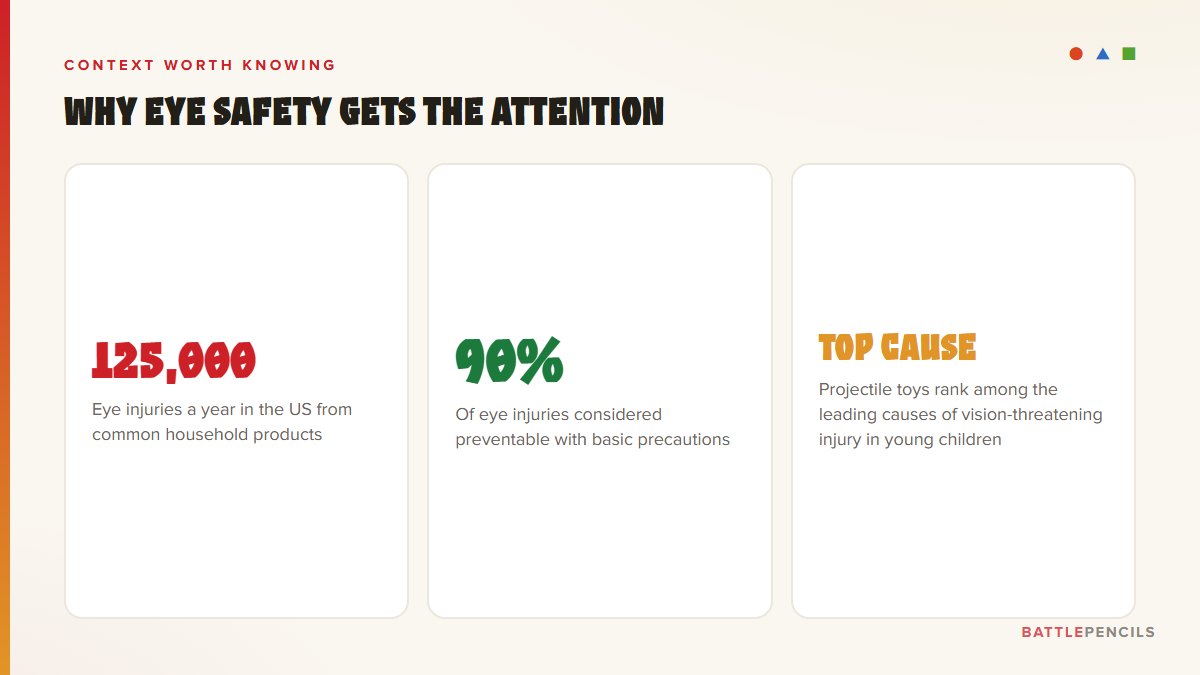
The encouraging half of that research is the preventability figure: around nine in ten eye injuries are considered avoidable with sensible precautions. This is a manageable risk, not an unpredictable one.
This is general safety information, not medical advice. If a child has any eye pain, visible injury or change in vision, contact a medical professional promptly rather than waiting to see whether it settles.
Risk factors, ranked
Not every version of the game carries the same risk. These are the factors that move the needle most.
| Factor | Lower risk | Higher risk | Why it matters |
|---|---|---|---|
| Play height | Low table, standing back | Desk height, seated close | Desk height puts fragments at eye level |
| Eye protection | Worn | None | The single most effective control |
| Pencil condition | Intact, unchewed | Cracked, chewed or already broken | Damaged shafts fail unpredictably |
| Onlookers | Two players, space around them | A crowd leaning in | More faces inside the fragment radius |
| Substituted items | Wooden pencils only | Pens, metal rulers, mechanical pencils | Plastic and metal shatter differently |
| Supervision | An adult nearby | Hidden play in corridors | Bans without alternatives push play out of sight |
Swipe the table sideways to see every column.
If it is happening anyway
Pretending a game has stopped when it has not is the least safe option available. If children are playing, these are the conditions worth insisting on.

Should schools ban it?
Many individual schools have, and the reasoning is sound: the game destroys equipment, disrupts lessons and carries a genuine injury risk.
The practical difficulty is that bans without a substitute rarely end the behaviour. They relocate it — to corridors, stairwells and bus seats, where there is no adult nearby and no clear table.
| Approach | Effort to introduce | Ongoing enforcement | Likely outcome |
|---|---|---|---|
| Outright ban | Low | High — needs constant policing | Play continues unsupervised elsewhere |
| Ban plus confiscation | Low | High, and adversarial | Effective on site, resented by pupils |
| Supervised, with eye protection | High — equipment and staffing | Moderate | Safe but rarely practical at scale |
| Redirect to a non-breaking duel | Moderate | Low — largely self-sustaining | Appeal retained, hazard removed |
Swipe the table sideways to see every column.
If something does go in an eye
Worth knowing before you need it. The instinct to help by rubbing or removing is exactly the wrong one.

The conversation that actually works
Telling children a game is dangerous rarely ends it. For a lot of them, the risk is the appeal — that is why it survived decades of disapproval.

What does land is a swap. Keep the duel, keep the winner, keep the two-second resolution — change only what decides it. Rolling a pencil and comparing the number against your opponent’s symbol produces the same tension with nothing destroyed, which is the whole idea behind the Battle Pencils rolling duel you can learn in under a minute.
Because the pencil survives, it goes straight back in the pencil case and back to work. If you want the full mechanics, including the counter rule and how to run it as a classroom activity, see the complete Battle Pencils rules and strategy guide, or meet the different pencil personalities on the Battle Pencils character roster.
Frequently asked questions
Is pencil fighting dangerous for children?
It carries a real but manageable risk. The main hazard is eye injury from wood splinters and graphite fragments thrown out when a pencil snaps under force. Struck fingers are common but minor. Risk rises when children play at desk height with faces close to the impact.
What age is pencil fighting a concern for?
It is most common among primary and secondary school children, roughly ages six to fourteen. Younger children are at greater risk because they tend to play closer to the impact and are less likely to move their face away instinctively.
Do schools ban pencil fighting?
Many individual schools have banned it, citing damaged equipment, classroom disruption and injury risk. There is no widespread blanket ban on pencils themselves. Bans introduced without an alternative often move the game to unsupervised areas rather than ending it.
What should I do if a pencil fragment gets in a child’s eye?
Stop the activity, keep the child calm and still, and do not let them rub the eye. Never attempt to remove anything embedded in the eye. Seek medical advice promptly, and urgently if there is pain, bleeding or any change in vision.
Is there a safe alternative to pencil fighting?
Yes. Rolling duels keep the same two-player, fast-resolution format but decide the winner by comparing a rolled number rather than by breaking a pencil. Nothing snaps, so no fragments are produced, and the pencils remain usable for writing afterwards.
Does eye protection make pencil fighting safe?
Eye protection substantially reduces the most serious risk, and Prevent Blindness reports that around 90% of eye injuries are preventable with proper precautions. It does not address struck fingers, damaged school property or classroom disruption, so it is a mitigation rather than a full solution.