Fidget Toys in the Classroom: What Helps and What Distracts
The difference between a fidget and a toy, which types survive a classroom, and the rules that decide whether they help attention or wreck it.

Few classroom items have swung between remedy and contraband as quickly as the fidget. They arrived as a support tool, became a playground craze, and were banned in thousands of schools within about a year.
Both reactions missed the same distinction. A fidget is an object that occupies the hands without occupying attention, and most things sold as fidgets fail that test badly.
Deciding a policy on fidget toys in the classroom is really about separating the two, then setting rules that survive contact with thirty children.
Key takeaways
- A fidget occupies the hands without occupying attention. If it needs looking at, it is a toy.
- Silent, single-texture, unspinnable objects survive a classroom. Little else does.
- Fidgets support self-regulation, not concentration directly.
- The rules matter more than the object — out of sight, one only, never shared.
- Ordinary stationery works better than anything marketed as a fidget.
The distinction that decides everything
Ask one question of any object: can the child use it while looking at you?
If yes, it is a fidget. If it needs eye contact to operate, it is a toy, and it will compete with the lesson every minute it is on the desk.
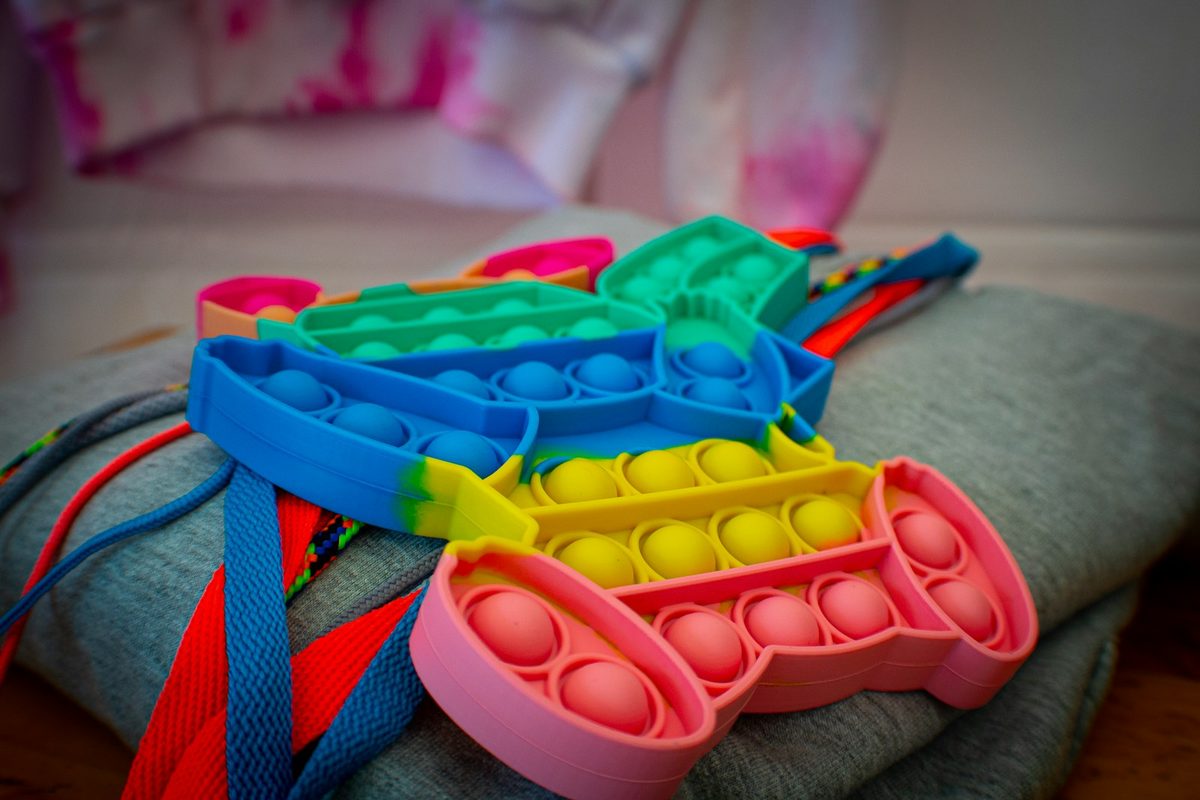
That single test disqualifies most of the market. Spinners require watching, cubes with different faces invite exploration, and anything that clicks recruits the attention of everyone nearby.
Why the spinner failed
The spinner was visually interesting, audible, and could be performed with. It became a status object and a competition rather than a support.
Schools did not ban spinners because fidgets do not work. They banned them because the spinner was a toy wearing the word fidget.
What the research actually supports
The honest position is narrower than either side of the argument usually admits.
Evidence that fidgets improve attention for children generally is weak. Evidence that controlled movement helps some children — particularly those with ADHD — regulate arousal enough to stay seated and available for learning is much stronger.

So the mechanism is self-regulation rather than concentration. A fidget does not make a child think better; it can make a child able to remain in a state where thinking is possible.
Nasen, the UK special educational needs association, sets out the same distinction in its guidance on classroom accommodations.
What survives a real classroom
| Object | Silent? | Needs looking at? | Verdict |
|---|---|---|---|
| Blu-tack or putty | Yes | No | Works well |
| Textured strip under the desk | Yes | No | Works well |
| Elastic band on a chair leg | Yes | No | Works well |
| Stress ball | Usually | No | Fine, if it cannot be thrown |
| Push-button pad | No | Somewhat | Noise recruits everyone |
| Fidget cube | No | Yes | A toy in practice |
| Spinner | Rarely | Yes | Performance object |
Swipe the table sideways to see every column.
The pattern is consistent. The successful items are dull, and being dull is precisely the point.
The pencil problem
The most common classroom fidget is a pencil, and it is a poor one. Tapping is audible, spinning it is a performance, and chewing it destroys the pencil.
It is worth naming this directly rather than repeatedly asking a child to stop. Offering a silent alternative works better than a rule against tapping.
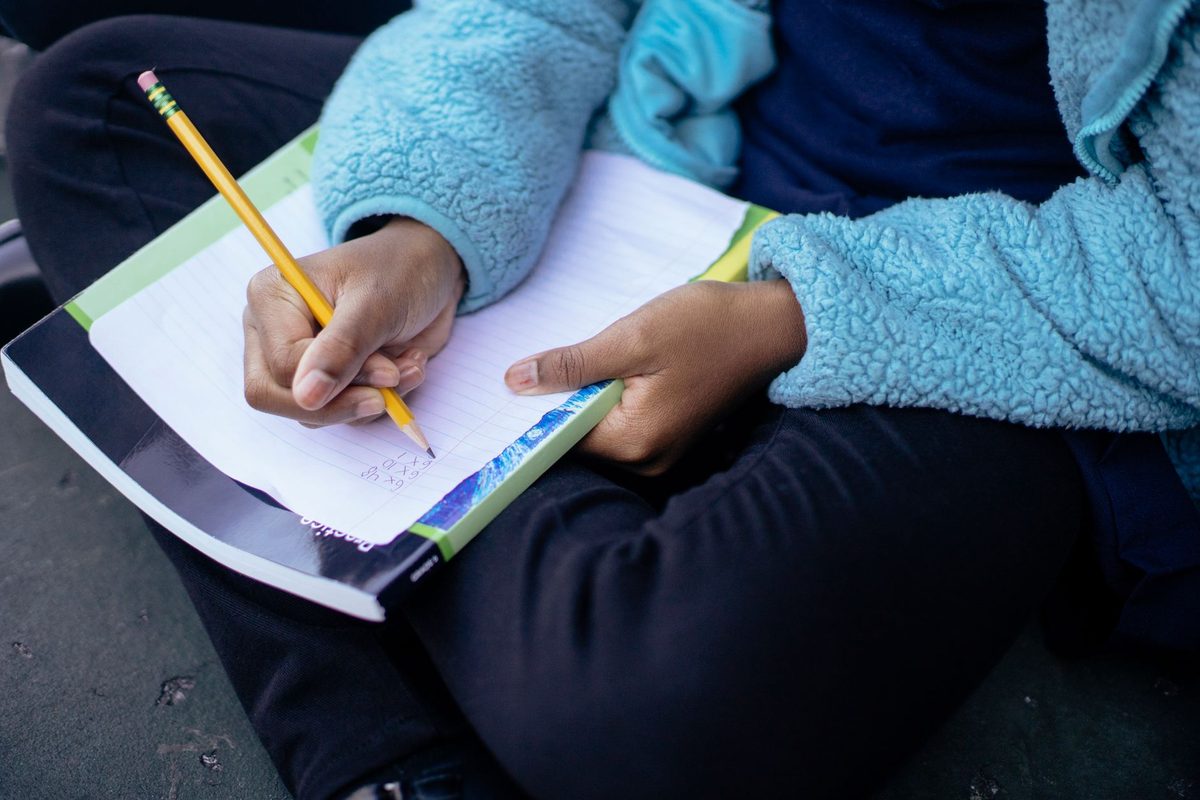
Doodling occupies the hands and is largely silent, which is why it survives where tapping does not — the evidence is set out in why doodling helps.
Rules that actually hold
The object matters less than the conditions attached to it. Four rules cover almost every situation.
- Out of sight. On the lap or under the desk, never on the desktop.
- One only. A collection becomes a trading economy immediately.
- Never shared. The moment it is passed, it is a toy.
- Silent, or it goes. Applied without negotiation.
State that the fidget belongs to the work rather than to the child. It comes out for a task and goes away with the task, which prevents it becoming a possession to defend.

Give it to everyone, or explain it to everyone
A single child with a permitted object will be asked about it within an hour. Either make the option universally available or explain plainly that different people need different things.
Most classes accept the second explanation more readily than teachers expect, particularly if it is framed the same way as glasses or a wobble cushion.
When a fidget is the wrong answer
Persistent restlessness is often a signal that the lesson has run past the class’s sitting capacity, not that individual children need equipment.
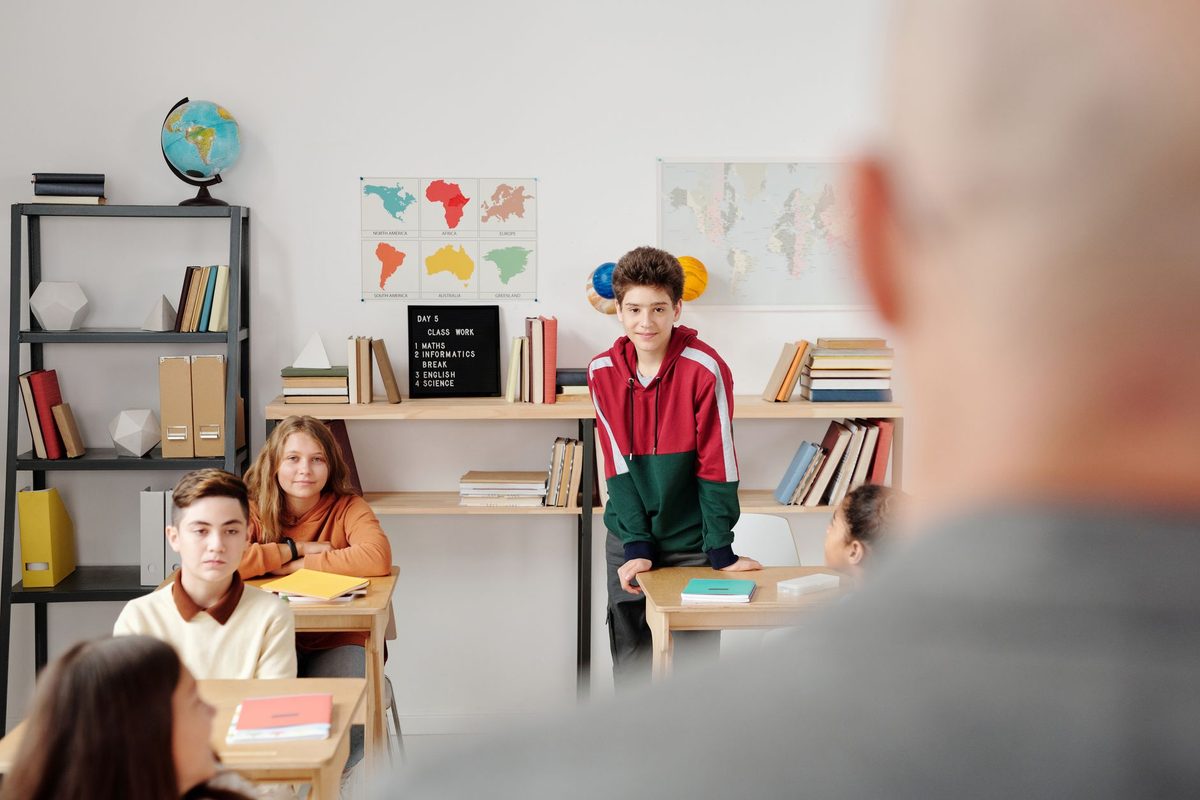
If most of the room is fidgeting at the same moment, a movement break resets it faster than any object can — the options are in no-prep brain breaks for the classroom.
The same applies to the gaps between activities, when restlessness usually peaks. That is a structural issue covered in classroom transitions, and a child who finishes early needs an activity rather than an object, as in games for early finishers.
Frequently asked questions
Do fidget toys actually help children focus?
The evidence for improved concentration across all children is weak. What is better supported is that controlled movement helps some children, particularly those with ADHD, regulate their arousal enough to stay seated and available for learning, which is a different claim.
What makes a good classroom fidget?
It must be silent, usable without being looked at, and impossible to perform with. Blu-tack, a textured strip taped under the desk and an elastic band round a chair leg all meet those conditions, whereas cubes and spinners fail at least one.
Why are fidget spinners banned in schools?
Because they require watching, are often audible, and can be performed with, which turns them into status objects. They were banned as toys rather than as supports, and the ban says little about quieter fidgets that never leave a child’s lap.
Should every child get a fidget if one child has one?
Either make the option available to everyone or explain openly that different people need different things. The second usually works if framed like glasses or a wobble cushion. What fails is an unexplained exception, which reads as unfairness to the rest of the class.
What can a child use if fidgets are not allowed?
Doodling in a margin occupies the hands almost silently and is rarely prohibited. Pressing feet into the floor, an elastic band on the chair leg, or being given a genuine job such as handing out books all serve the same regulating purpose without any equipment.
How do I stop a child tapping their pencil?
Replace the behaviour rather than forbidding it. Tapping is usually an attempt to self-regulate, so offering a silent alternative such as putty on the lap works far better than repeated reminders, which tend to interrupt the lesson more than the tapping did.