Classroom Transitions: Where the Teaching Day Leaks
Transitions can eat a fifth to two-fifths of teaching time. How to teach them as routines rather than police them.
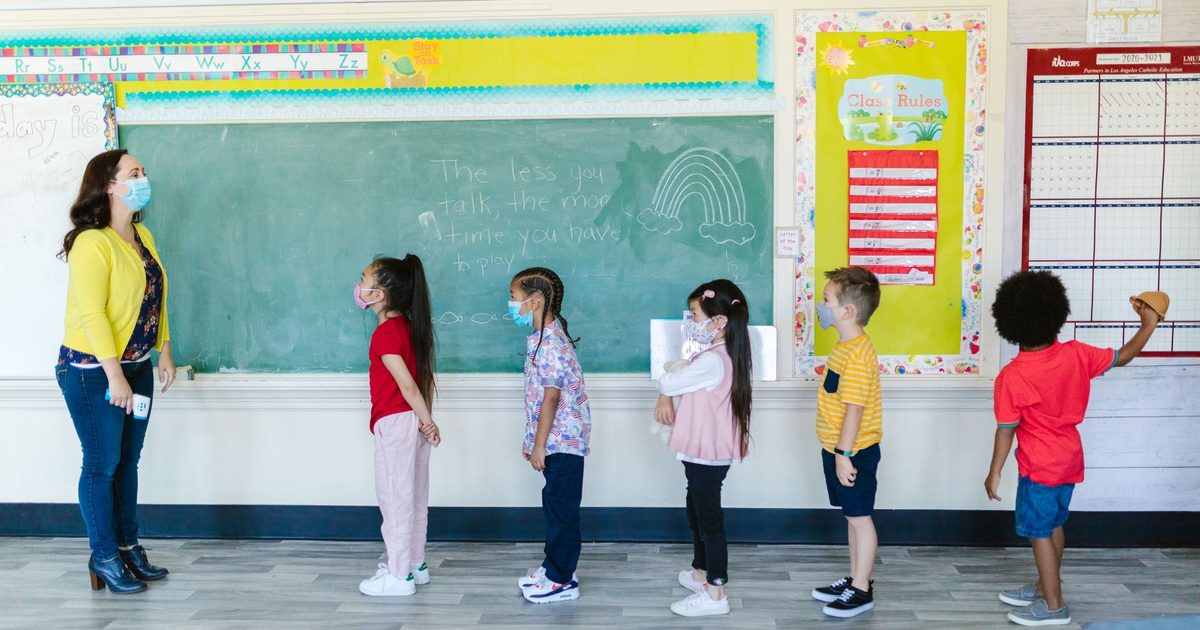
The most expensive minutes in a school day are the ones nobody plans. Packing away, lining up, moving rooms, settling after lunch — none of it appears on a lesson plan, and collectively it consumes an extraordinary amount of teaching time.
Research on middle-grade classrooms has found that somewhere between 20% and 40% of instructional time goes on transitions and administration. On an hour-long period, that can leave around forty minutes of actual learning.
Key takeaways
- Transitions can consume a fifth to two-fifths of instructional time.
- They are a routine to be taught, not a behaviour to be policed.
- Tell them what happens next before you tell them to move.
- A countdown beats an instruction, because it removes the argument about timing.
- The post-recess transition is the hardest and needs its own deliberate plan.
Where the time actually goes
Most teachers underestimate this, because each individual transition feels trivial. Three minutes here, ninety seconds there.
| Transition | Times per day | Typical length | Daily total |
|---|---|---|---|
| Settling at the start | 1 | 3–5 min | 5 min |
| Between activities | 6–10 | 1–3 min | 15–25 min |
| Packing away | 3–5 | 2–4 min | 10–15 min |
| Lining up | 4–6 | 2–3 min | 10–15 min |
| Moving rooms | 2–4 | 3–5 min | 10–15 min |
| Settling after recess | 2 | 5–10 min | 10–20 min |
Swipe the table sideways to see every column.
Shaving a minute off each one is not a marginal gain. Across a year it is measured in weeks, and studies suggest even small reductions in transition length correlate with meaningful achievement improvements.
Teach it like content
The single biggest shift is treating a transition as a routine to be explicitly taught, rehearsed and reinforced — not as compliance you demand and then correct.
That means teaching it in week one, when nothing is at stake, rather than issuing corrections in week six when the pattern is already established.
- Describe it. State exactly what a good transition looks and sounds like.
- Model it. Show them, including the wrong version, which children enjoy enormously.
- Rehearse it. Practise moving to the carpet three times with no lesson attached.
- Reinforce it. Name specific children doing it correctly rather than correcting those who are not.
Specific praise does more work than general instruction. “Thank you for walking to the line, Keisha” tells thirty children exactly what is expected, without singling anyone out negatively.
Say what happens next, first
A common sequence goes: “Right, pack away.” Chaos follows, because thirty children now have a task and no destination.
Reversing it works better. Name the destination, then release them.
| Less effective | More effective | Why |
|---|---|---|
| “Pack away.” | “In a moment, pack away and sit on the carpet.” | They know where they are going |
| “Line up.” | “Table three, line up at the door.” | Releases in manageable groups |
| “Hurry up.” | “Twenty seconds.” | A number, not a judgement |
| “Quietly, please.” | “Voices off until you are seated.” | Names the endpoint |
| “Stop talking.” | “Eyes here in three, two, one.” | Gives them time to comply |
Swipe the table sideways to see every column.
Countdowns and timers
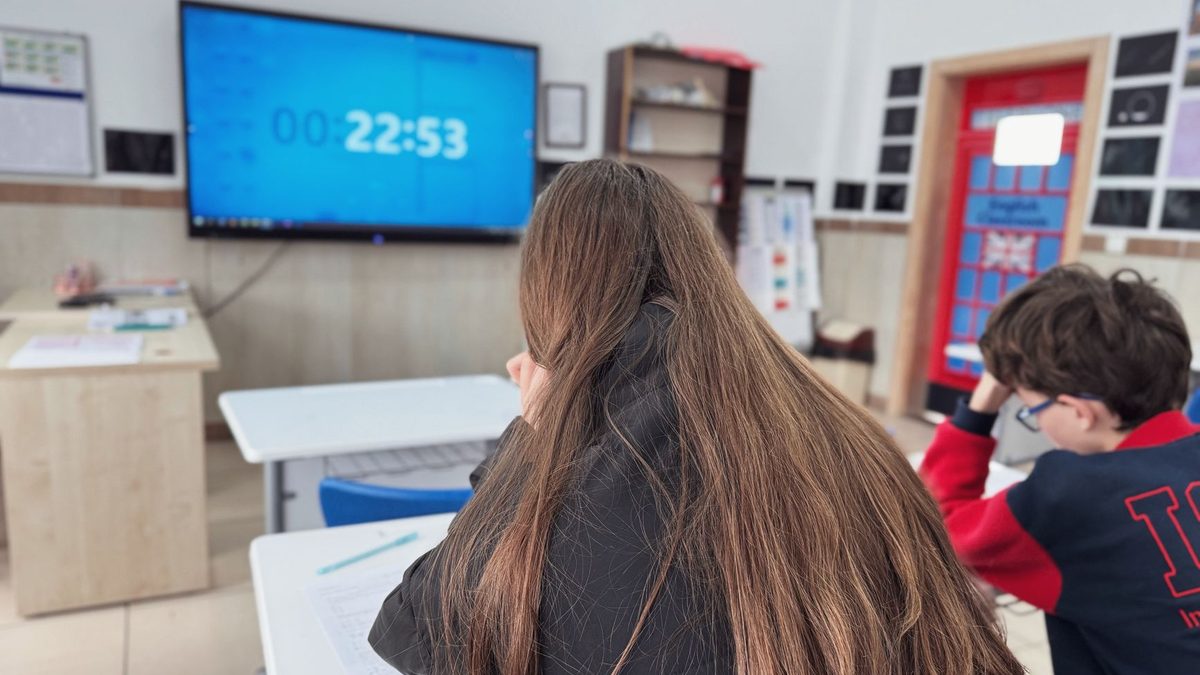
A countdown converts a subjective instruction into an objective fact. “Hurry up” is a judgement children can dispute; “fifteen seconds” is not.
Some teachers go further and time transitions competitively, challenging a class to beat their own record or another class’s. It works remarkably well with primary-age children, provided the target stays achievable.
The important part is consistency. If the countdown reaches zero and nothing happens, it stops being information and becomes background noise.
Lining up

Most lining-up problems are spacing problems. Children bunch, then jostle, then someone is pushed.
Marking spots on the floor about a metre apart removes it entirely. Everyone has a place, nobody argues about who was first, and the line forms in the same shape every time.
Releasing by table rather than all at once helps too. Thirty children moving simultaneously toward one door is a design problem, not a discipline problem.
The post-recess transition
This is the hardest one in the day and the one most often left unplanned. Children arrive dysregulated, loud and physically warm, and are expected to start writing within two minutes.
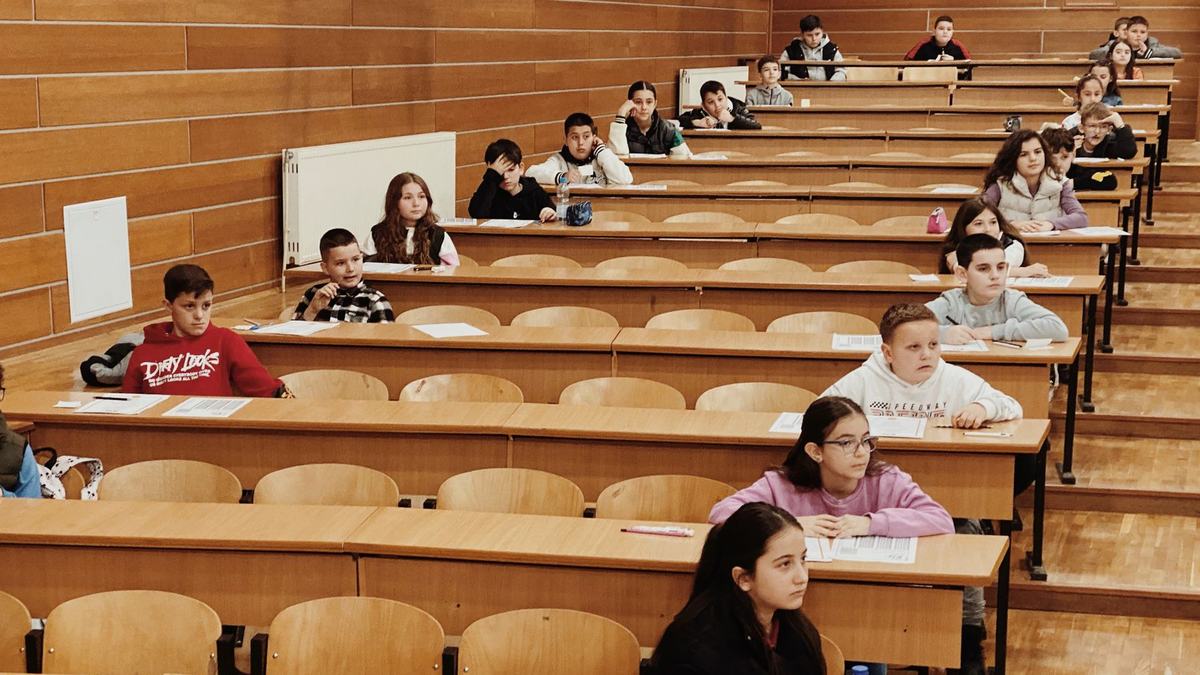
One approach that works is a deliberate ten-minute settling block: lights lowered, calm music, and a small choice of quiet activities. It feels like lost time and is not, because the alternative is thirty minutes of half-settled work.
Quiet paired activities suit this slot particularly well — anything resolved at a desk in near silence, such as the options in two-player pencil and paper games, or a single round of a duel decided by one roll.
Moving between rooms
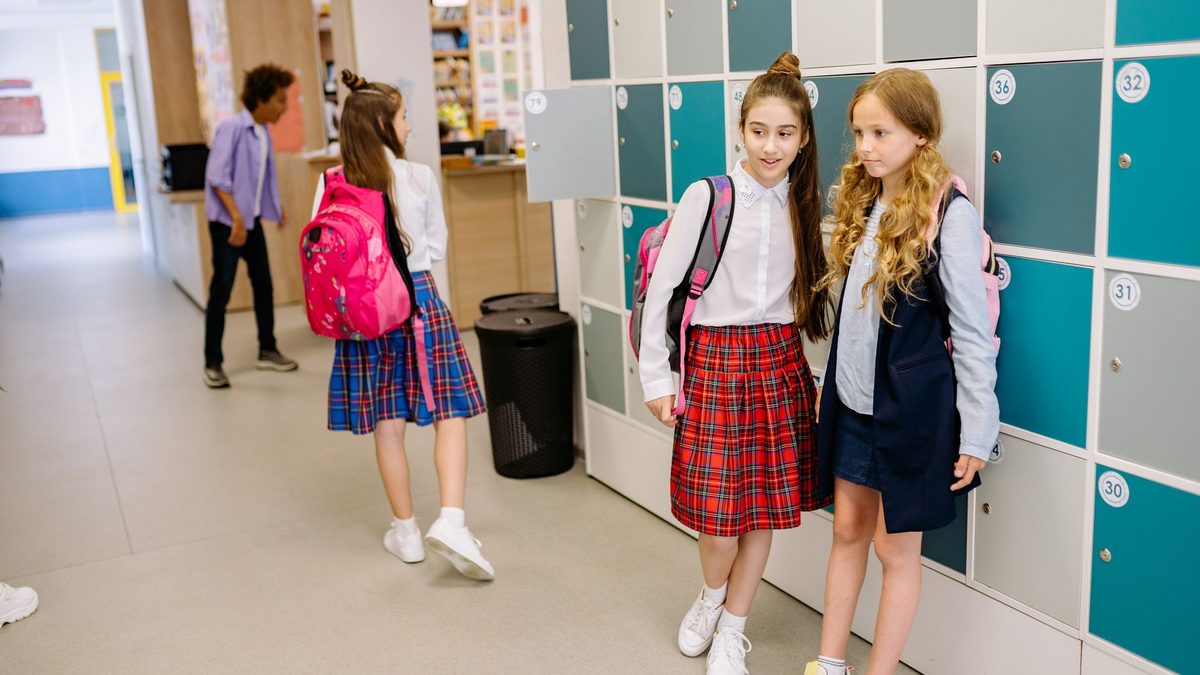
Corridor transitions fail differently, because you can only supervise one end of the line at a time. Two things help: a designated leader at the front with a known stopping point, and a habit of stopping the whole line at fixed places rather than trying to manage it continuously.
Evidence summaries on classroom practice of this kind are published by the Education Endowment Foundation.
What not to do
- Do not wait for silence before starting the countdown. Start it; the silence follows.
- Do not change the signal. One consistent cue beats five inventive ones.
- Do not correct individuals mid-transition. It stops the whole class to address one child.
- Do not skip the rehearsal. Ten minutes in September saves hours by December.
Transitions between activities within a lesson follow the same logic as the two-minute resets in no-prep classroom brain breaks: announce the length, give a clear ending, and be consistent about both.
Frequently asked questions
How much teaching time do classroom transitions waste?
Research on middle-grade classrooms has found that 20% to 40% of instructional time goes on transitions and administration. On an hour-long period that can leave roughly forty minutes for actual learning activities.
How do you improve classroom transitions?
Treat them as routines to be taught rather than behaviour to be policed. Describe what a good transition looks like, model it, rehearse it with no lesson attached, and reinforce it with specific praise for children doing it correctly.
What is the best way to get a class to line up?
Mark spots on the floor about a metre apart so every child has a defined place, and release them by table rather than all at once. Most lining-up problems are spacing and crowding problems rather than behaviour problems.
Why do countdowns work better than telling children to hurry?
Because a number is objective and an instruction to hurry is a judgement children can dispute. “Fifteen seconds” gives a shared, checkable target. Consistency matters: if nothing happens at zero, the countdown stops carrying information.
How do you settle a class after recess?
Plan a deliberate settling block of around ten minutes with lowered lights, calm music and a small choice of quiet activities. It feels like lost time but usually recovers more than it costs, since half-settled children work poorly for far longer.
Should you tell children to pack away or where to go first?
Name the destination first. “In a moment, pack away and sit on the carpet” gives children somewhere to go, whereas “pack away” on its own leaves thirty children with a task and no endpoint, which is where most chaos starts.