No-Prep Brain Breaks for the Classroom
When to call a brain break, the three types and when each one fits, and how to end one cleanly so you gain more time than you spend.
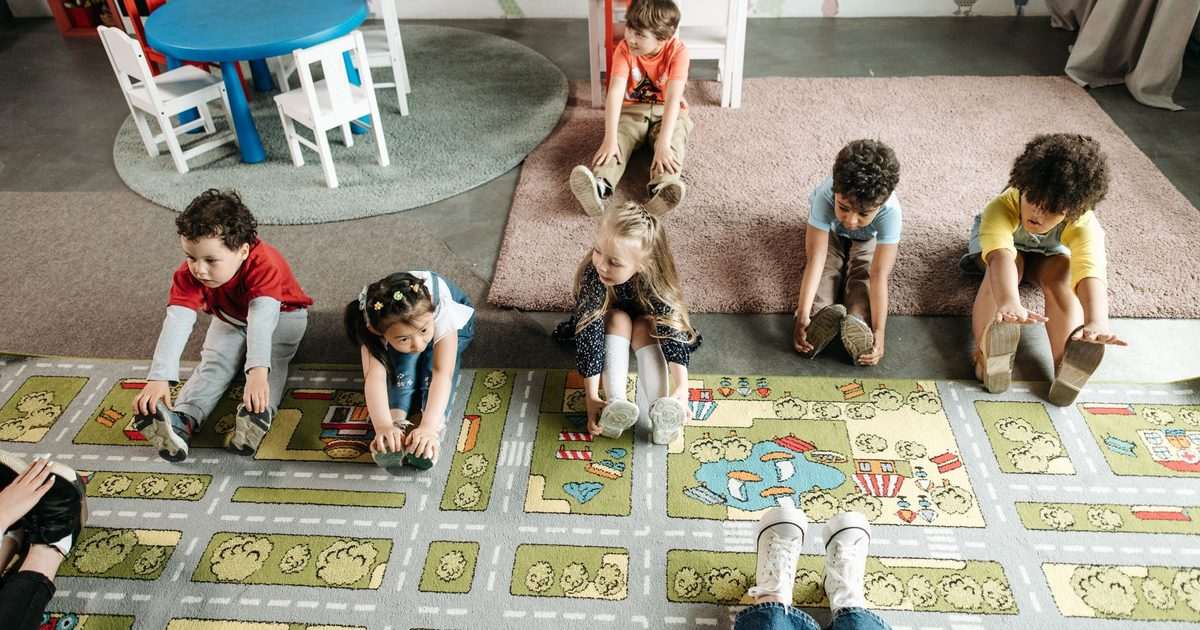
A brain break is not a reward and it is not a shortened recess. It is a deliberate two-minute interruption used to buy back the twenty minutes of attention that follow it.
That distinction matters, because it changes when you use one. You do not wait until the class has fallen apart. You interrupt just before it does.
Key takeaways
- A brain break is two to five minutes, taken mid-lesson — not a replacement for recess.
- Use one before attention collapses, not after; a break given as damage control works far less well.
- There are three useful kinds: movement, calming and cognitive-switch. They are not interchangeable.
- The break must have a clear ending built in, or you lose more time than you gained.
- Screen-free breaks avoid the transition cost of getting devices out and away again.
When to call one
The signals are consistent and easy to spot once you look for them: fidgeting spreads across the room, the same question gets asked twice, and written output slows to a crawl.
Roughly, primary-age pupils manage sustained focus for about their age in minutes. A class of eight-year-olds will drift somewhere near the ten-minute mark on demanding work.
Treat that as a prompt to look up, not a rule to obey. The room tells you more than the clock does, and a settled class working well does not need interrupting on schedule.

The three kinds, and when each one fits
Choosing the wrong type is the most common mistake. A high-energy break before a written assessment makes things worse, not better.
| Type | Use when | Length | Follow it with | Avoid before |
|---|---|---|---|---|
| Movement | Pupils are restless and under-stimulated | 2–4 min | Discussion or practical work | Written assessment |
| Calming | The room is over-stimulated or anxious | 2–3 min | Independent written work | End of day |
| Cognitive switch | Attention has drifted but energy is fine | 3–5 min | Returning to the same task | Nothing in particular |
Swipe the table sideways to see every column.
Movement breaks
The point is to change posture and get blood moving, not to exhaust anyone.
- Stand and stretch to the count of ten. The lowest-effort option that still works.
- Cross-body reaches. Right hand to left knee and back, alternating.
- Desk push-ups. Ten slow presses against the desk edge.
- Silent shake-out. Twenty seconds of shaking out hands and shoulders, no talking.

Calming breaks
These bring a wound-up room back down, which is usually what is needed straight after lunch or an assembly.
- Four-count breathing. In for four, hold for four, out for four. Three rounds.
- Five things. Silently find five things in the room of one colour.
- Heads down, one minute. Unfashionable, extremely effective.

Cognitive-switch breaks
Here the body stays put and the thinking changes lanes. These are the most useful when you need pupils back on the same task afterwards.
- Two-minute puzzle. A riddle or number puzzle on the board.
- Would you rather. One question, thirty seconds of paired discussion.
- Quick partner game. Anything decided in under a minute at the desk.
Why screen-free matters
Video brain breaks are popular and they do work, but they carry a hidden cost: the transition. Getting the board ready, waiting for buffering and settling the room afterwards often consumes more time than the break itself.
Edutopia and other classroom-practice publishers make much the same point about transition costs — the cheapest break is the one that starts the instant you announce it.
Partner breaks: the underused option
Whole-class breaks have a coordination cost. Everyone must understand the same instruction at the same time, and the pupils who did not hear it become a second problem.
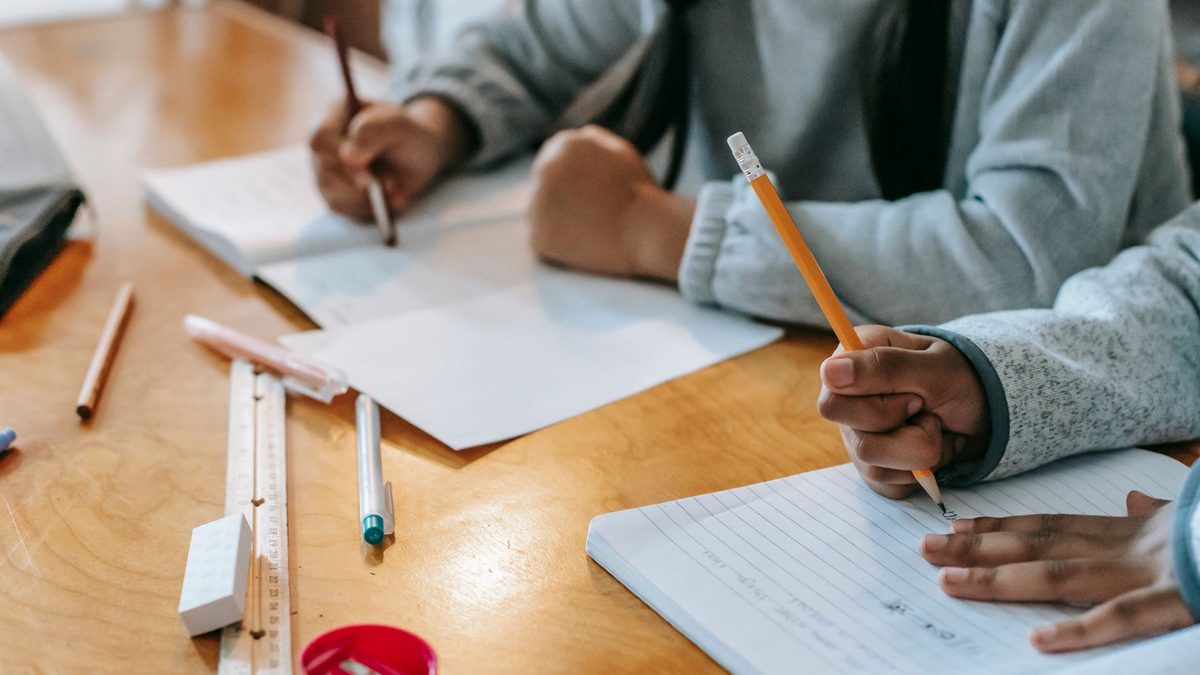
Paired breaks avoid that entirely. Two pupils, one interaction, resolved in seconds, and no audience for anyone who finds performing uncomfortable.
The ideal partner break uses something already on the desk. A single round of the Battle Pencils rolling duel takes about ten seconds and needs no paper, no cards and nothing handed out. If you want longer paired options, our guide to two-player pencil and paper games covers games that stretch to five minutes.
Ending the break cleanly
This is where brain breaks usually fail. The break works; the return does not.
| Technique | How it works | Best for |
|---|---|---|
| Announce the length first | “Two minutes” said before you start | Every break |
| Visible countdown | Timer on the board so the end is not a surprise | Movement breaks |
| Countdown from five | Verbal, with pupils seated by zero | Younger classes |
| Name the next task | Say what happens after, before the break begins | Cognitive switches |
| End on quiet | Final thirty seconds deliberately calm | After any active break |
Swipe the table sideways to see every column.
Common mistakes
- Waiting too long. A break given after the class has gone is crisis management, not planning.
- Using them as rewards. Tying breaks to good behaviour means the classes that need them most rarely get them.
- Letting them run. Without a stated length, two minutes becomes eight.
- Always picking movement. An over-stimulated room needs calming, not more energy.

For a longer session when the weather cancels outdoor play entirely, the same principles scale up — see quiet indoor recess games for small classrooms.
Used well, a brain break is one of the cheapest interventions available: no budget, no preparation, and no equipment beyond what is already in the room.
Frequently asked questions
What is a brain break?
A brain break is a short, deliberate pause of roughly two to five minutes taken during a lesson to reset pupils’ attention. It is not a reward or a shortened recess, and it works best when used just before concentration breaks down rather than afterwards.
How often should you use brain breaks?
A useful guide is that pupils sustain focus for roughly their age in minutes, so a class of eight-year-olds may need a break around every ten minutes of demanding work. Watch for spreading fidgeting and repeated questions rather than following a fixed clock.
What are good brain breaks that need no preparation?
Stand-and-stretch counts, cross-body reaches, four-count breathing, silently finding five objects of one colour, and quick paired games all need nothing but the room itself. None require equipment, handouts or a screen.
Should brain breaks be active or calm?
It depends on the room. Use a movement break when pupils are restless and under-stimulated, and a calming break when they are over-stimulated, such as after lunch or an assembly. Avoid high-energy breaks immediately before written assessments.
Do brain breaks waste teaching time?
A well-timed two-minute break generally recovers considerably more focused working time than it costs. The risk is breaks that overrun, which is why stating the length beforehand and using a visible countdown matters so much.
Are screen-free brain breaks better than video ones?
Video breaks work, but they carry a transition cost: setting up the board, waiting for it to load and resettling the class afterwards can take longer than the break. Screen-free breaks start the moment you announce them.