Quiet Indoor Recess Games for Small Classrooms
Indoor recess games chosen by noise, space and setup time — plus a twenty-minute session structure that actually holds together.

Indoor recess is not really a games problem. It is a noise, space and energy problem that happens to be solved with games.
Thirty children who expected to run are now in a room with desks in it. What you need are activities that burn some of that energy, fit between furniture, and do not leave the class louder than when you started.
Key takeaways
- Pick activities by noise level and floor space first, fun second — a game that will not fit the room is not an option.
- Desk-based games are the most reliable in small classrooms because nobody has to move furniture.
- Alternate one active game with one quiet game rather than running high energy for the full session.
- Anything needing more than a minute of setup will not survive a real indoor recess.
- Give the class a known ending signal before you start, not after it gets loud.
Choose by constraint, not by fun
The activity lists you find online mostly assume a big open classroom and a teacher with prep time. Most indoor recess happens in neither.
Three constraints decide what will actually work: how much clear floor you have, how much noise the neighbouring rooms will tolerate, and how many minutes you can spend setting up.
Run any candidate activity past all three before you commit. A brilliant game that needs the desks pushed back is not a brilliant game on a wet Tuesday with eight minutes left.
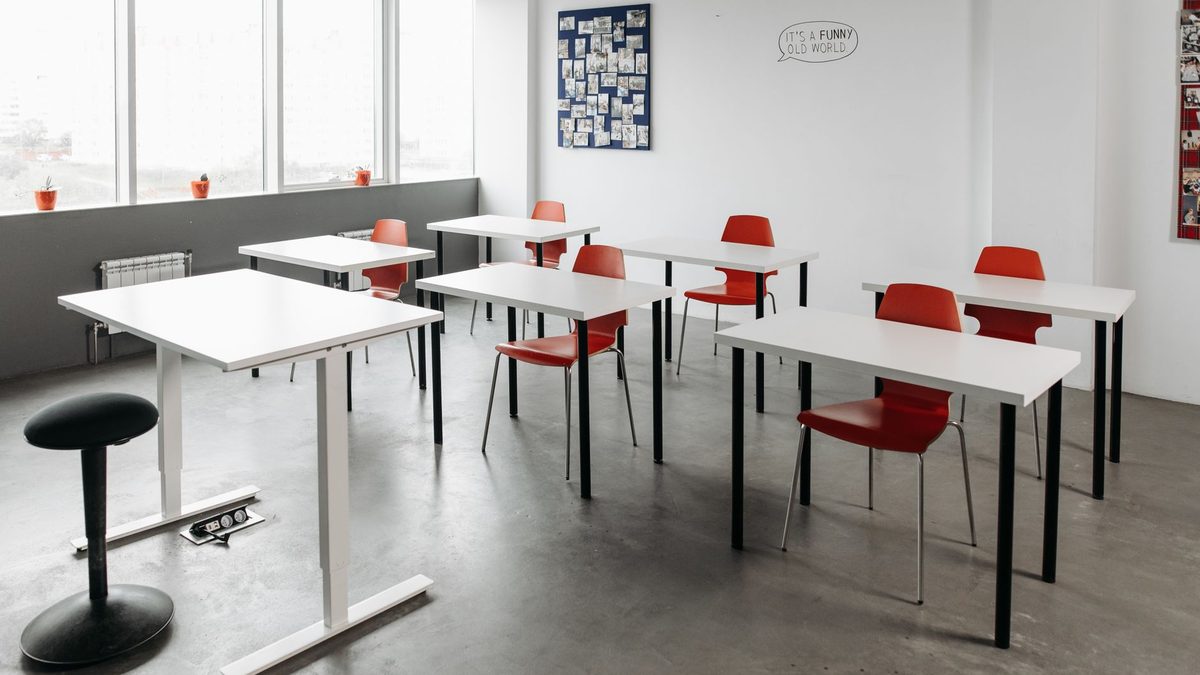
Games that work at desks
These need no floor space at all, which makes them the safest default.
Silent Ball
Pupils stay at or beside their desks and pass a soft ball. Anyone who talks, drops it, or makes a bad throw sits out. It is genuinely quiet and genuinely competitive.
Heads Down, Thumbs Up
Four pupils move around the room and press one thumb each. Heads come up and the chosen pupils guess who picked them. Low noise, no equipment, endlessly repeatable.
Paper games in pairs
Dots and Boxes, SOS and Battleship all run at a desk with a single sheet. Our guide to two-player pencil and paper games and how to play them covers the full set with rules.

Twenty Questions
One pupil thinks of an object; the class narrows it down with yes-or-no questions. Costs nothing, scales to any group size, and can be stopped instantly.
Comparing the options
| Activity | Noise | Floor space | Setup | Group size |
|---|---|---|---|---|
| Silent Ball | Very low | Desks only | None | Whole class |
| Heads Down, Thumbs Up | Low | Desks only | None | Whole class |
| Paper games in pairs | Low | Desks only | Paper and pencil | Pairs |
| Twenty Questions | Medium | Desks only | None | Whole class |
| Four Corners | High | Full room | Label corners | Whole class |
| Paper snowball toss | High | Clear floor | Scrap paper, tidy-up | Whole class |
| Board game centres | Medium | Table groups | Several minutes | Small groups |
Swipe the table sideways to see every column.
Managing the noise before it starts
Noise is easier to prevent than to reduce. Three things do most of the work.
- Name the volume. Say which level you expect before the activity, not once it has been breached.
- Agree the stop signal. A raised hand, a chime, lights off — whatever it is, rehearse it while the room is still calm.
- Cap the run time. A visible timer ends a game cleanly. Games that fizzle out get loud first.
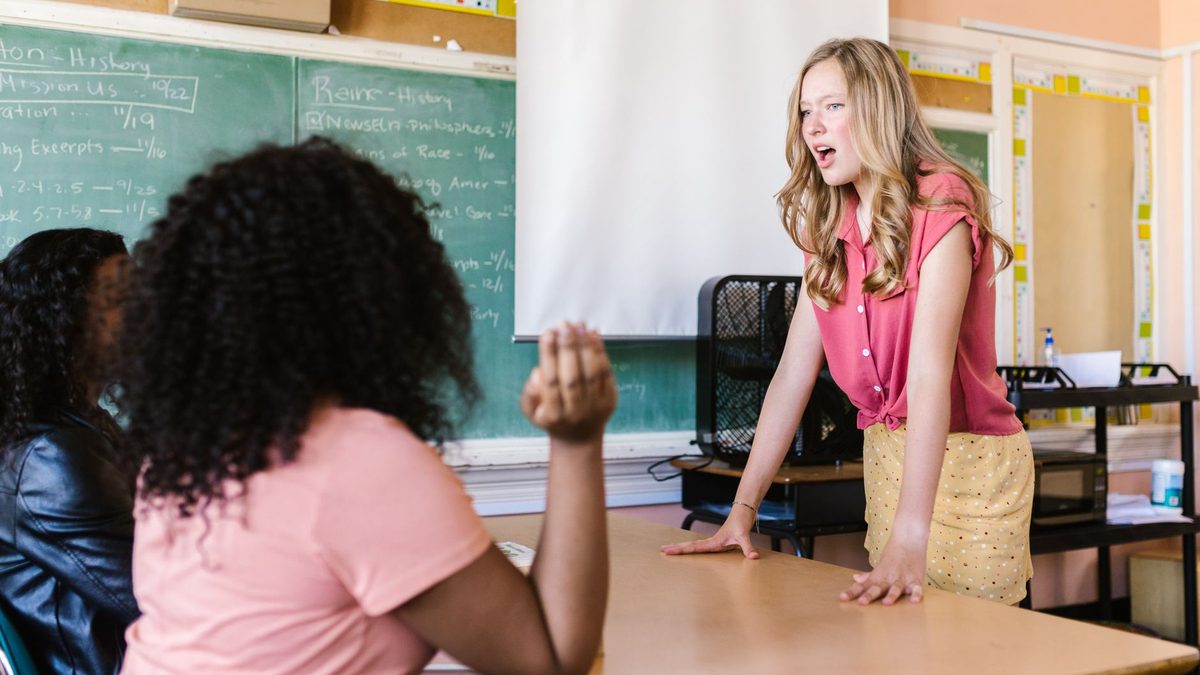
Balancing energy across the session
Running high-energy games for a full indoor recess reliably ends badly. Running quiet ones for the whole session does not release anything.
Alternate. One active block, one quiet block, then finish quiet so the class returns to work in the right state. Playworks, a non-profit dedicated to play in schools, builds its recess programmes around this same rhythm.
| Minutes | Block | Purpose | Example |
|---|---|---|---|
| 0–2 | Settle | Set expectations and the stop signal | Name the volume level |
| 2–8 | Active | Release physical energy | Four Corners or Silent Ball |
| 8–10 | Reset | Bring the volume back down | Countdown to seats |
| 10–17 | Quiet | Sustained, self-directed play | Paper games in pairs |
| 17–20 | Close | Tidy and transition to the lesson | Tidy-up countdown |
Swipe the table sideways to see every column.
Two-player games are your friend
Whole-class games are the ones that get loud, because thirty children coordinating anything is inherently noisy.
Pair games solve that. Fifteen quiet conversations produce far less volume than one game of thirty, and pupils who dislike being watched get to play without an audience.
They also fail gracefully. If one pair loses interest, that is one pair to redirect — not a whole-class activity collapsing at once.
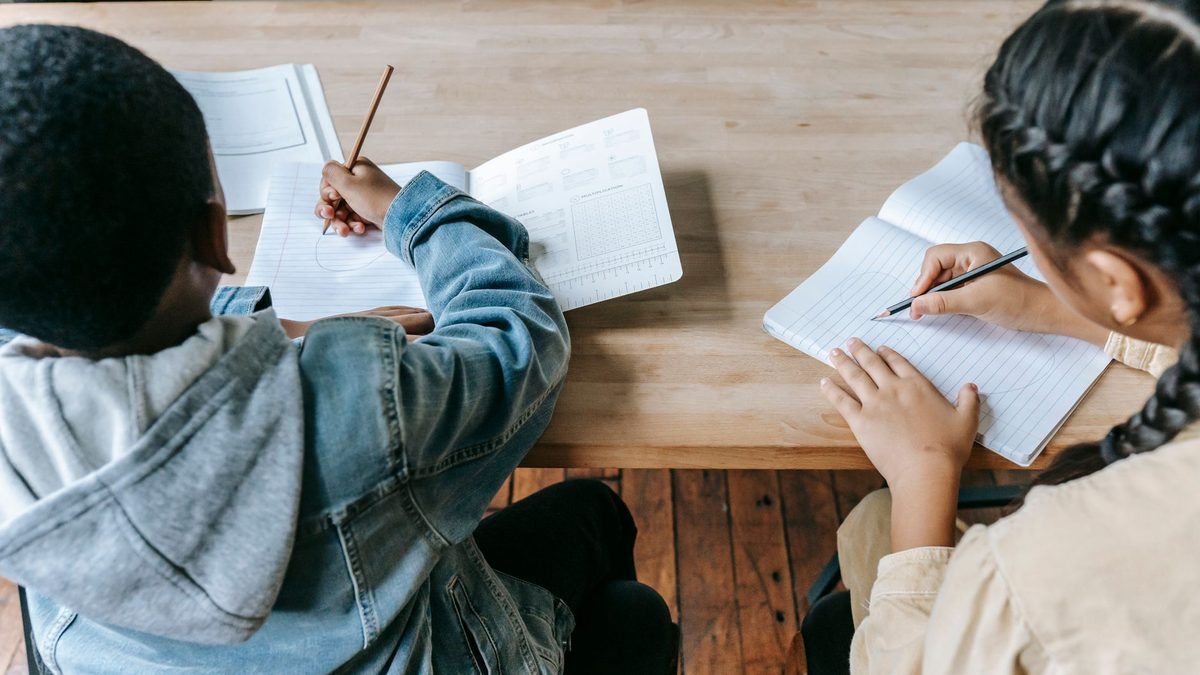
The best pair games for this need no components you have to distribute and collect. Anything played with a pencil already in the pupil’s tray qualifies — including the Battle Pencils rolling duel, which resolves in seconds and needs no paper. Nothing is destroyed, so the same pencils go back to work afterwards.
What to avoid
- Anything with a winner-takes-all elimination early on. Pupils out in the first minute have fifteen minutes to get restless.
- Games needing distribution and collection. The handling time usually exceeds the playing time.
- Activities that damage school property. Pencil-snapping games in particular — see our guide on why pencil fighting raises safety concerns in classrooms.
- Anything you have not tried yourself. Indoor recess is the wrong moment to discover a rule does not work.
Frequently asked questions
What are the best quiet indoor recess games?
Silent Ball, Heads Down Thumbs Up, Twenty Questions and paired paper games are the most reliable. All four run at or beside desks, need almost no setup, and can be stopped instantly when the session ends.
What can pupils do for indoor recess in a small classroom?
Focus on desk-based and paired activities that need no clear floor space. Paper games, card games, drawing challenges and question games all work without moving a single piece of furniture.
How do you keep indoor recess from getting too loud?
State the expected volume before the activity begins, agree and rehearse a stop signal while the room is calm, and use a visible timer so games end cleanly. Favouring paired games over whole-class games also lowers the overall volume considerably.
How long should an indoor recess activity last?
Around five to seven minutes per activity works best. Alternate one active block with one quieter block, and finish on a quiet activity so the class returns to lessons settled rather than wound up.
What indoor recess games need no equipment at all?
Twenty Questions, Heads Down Thumbs Up, Simon Says, charades and I Spy need nothing beyond the pupils themselves. Silent Ball needs only one soft ball for the whole class.
Should indoor recess be active or calm?
Both, in that order. Pupils have missed the physical release of outdoor play, so some active time helps, but ending on a calmer activity makes the transition back into lessons far easier.