Battle Pencils Rules: How to Play, House Rules and Strategy
The complete Battle Pencils rules — setup, the roll, the counter rule, character playstyles, house variants and the strategy that wins games.

Battle Pencils takes about forty seconds to teach and considerably longer to master. The rules fit on the back of a napkin; the decisions do not.
These are the complete Battle Pencils rules — setup, the roll, the counter rule that catches everyone out, the house variants worth adopting, and the strategy that separates a lucky win from a repeatable one.
Key takeaways
- Two players, ages 6+, both rolling at the same time — there are no turns to wait for.
- You read the number on your pencil that matches the symbol on your opponent’s pencil.
- Higher number knocks the opposing pencil out of the game.
- A pencil that wins or ties must roll again. This is the counter rule, and it drives all the strategy.
- No scorekeeping — the pencils set aside on the table are the score.
What you need
Two players and a handful of Battle Pencils each. Nothing else — no board, no dice, no paper.
Every pencil is a real writing pencil first: cedar barrel, No. 2 HB graphite core, latex-free eraser. If the grading system is unfamiliar, a No. 2 is the American equivalent of the European HB — the balanced middle of the graphite grading scale, and the standard classroom pencil.
Reading a Battle Pencil
Four things are printed on the barrel, and you need all four.
| Marking | What it is | What it decides |
|---|---|---|
| Character | The named pencil, such as Scribbull or Giraffite | Its number spread, and therefore its personality |
| Battle symbol | One of ● circle, ▲ triangle or ■ square | Which of your opponent’s numbers counts |
| Battle numbers | Three values, one per symbol, from 1 to 99 | Your score in any given battle |
| Summary | A quick reference to the pencil’s spread | How risky the pencil is to commit |
Swipe the table sideways to see every column.
How to play, step by step
1. Get Ready
Agree how many pencils each player starts with. Three or five is most common, though anything from one to ninety-nine works if you have the pencils and the afternoon.
Then secretly choose the pencil you will roll first. Neither player should see the other’s pick — that hidden choice is the game’s first real decision.
2. Battle
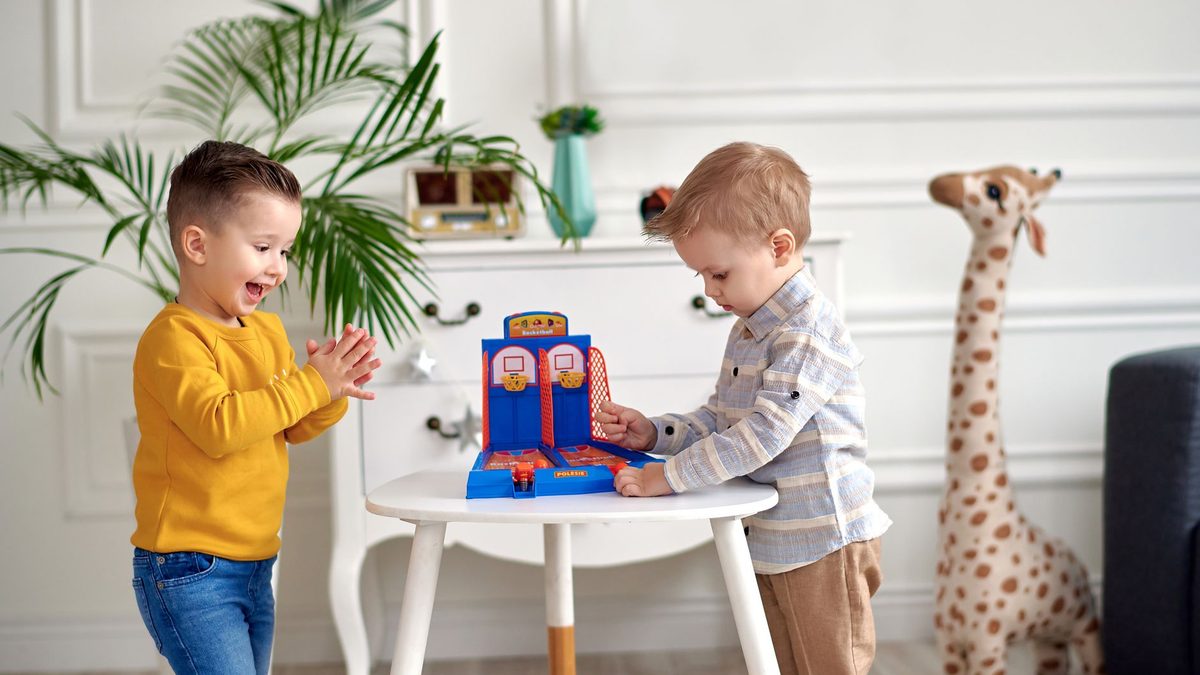
Both players roll their chosen pencil at the same time. There is no turn order, which is why the game moves so quickly.
Now the step that everyone gets wrong on their first go.

Look at the symbol on your opponent’s pencil. Find that same symbol on your pencil, and read the number printed beside it. That number is your score for this battle. The higher number wins and knocks the loser’s pencil out.
3. Counter
Here is the rule that creates the tension. If your pencil won or tied, you must roll that same pencil again in the next battle. You do not get to swap it out.
If your pencil was knocked out, set it aside and pick a fresh one for the next battle.
So winning locks you in. Your opponent now knows exactly what they are facing and can pick a counter, while you are stuck with whatever matchup your surviving pencil offers.
4. Declare the winner
Repeat steps two and three until one player has knocked out every one of the other’s pencils. That player wins. There is nothing to add up.
Understanding the characters
Every Battle Pencil is balanced to the same overall power baseline, but the numbers are distributed differently across its three symbols. That distribution — the sums, means, spreads, minimums and maximums — is what gives each character a personality.

| Playstyle | Example | Number pattern | Best used | Weakness |
|---|---|---|---|---|
| Aggressive | Scribbull, Erasaurus | Above-average means, high variance | When you need to break a stalemate | Can roll disastrously low |
| Docile | Giraffite | Average means, low variance | Holding a lead safely | Rarely wins a big matchup outright |
| Special | Optimistic Prime | Constrained — only rolls primes | Against predictable opponents | Its ceiling is capped by the rule |
Swipe the table sideways to see every column.
You can read each character’s full profile on the Battle Pencils character roster.
Strategy that actually works
Three habits separate consistent players from lucky ones.
- Play the counter rule, not the roll. Because winners must roll again, a narrow win can be worse than a clean loss. A pencil stuck in a bad matchup is a liability.
- Lead with information, not power. Your first pick is blind. Spending your best pencil there wastes it — you learn nothing and risk everything.
- Track what is gone. Every knocked-out pencil narrows what your opponent can still field. By the third battle you can often name their remaining squad.
House rules worth adopting
The base rules are deliberately minimal. These are the variants that come up most often at tables.
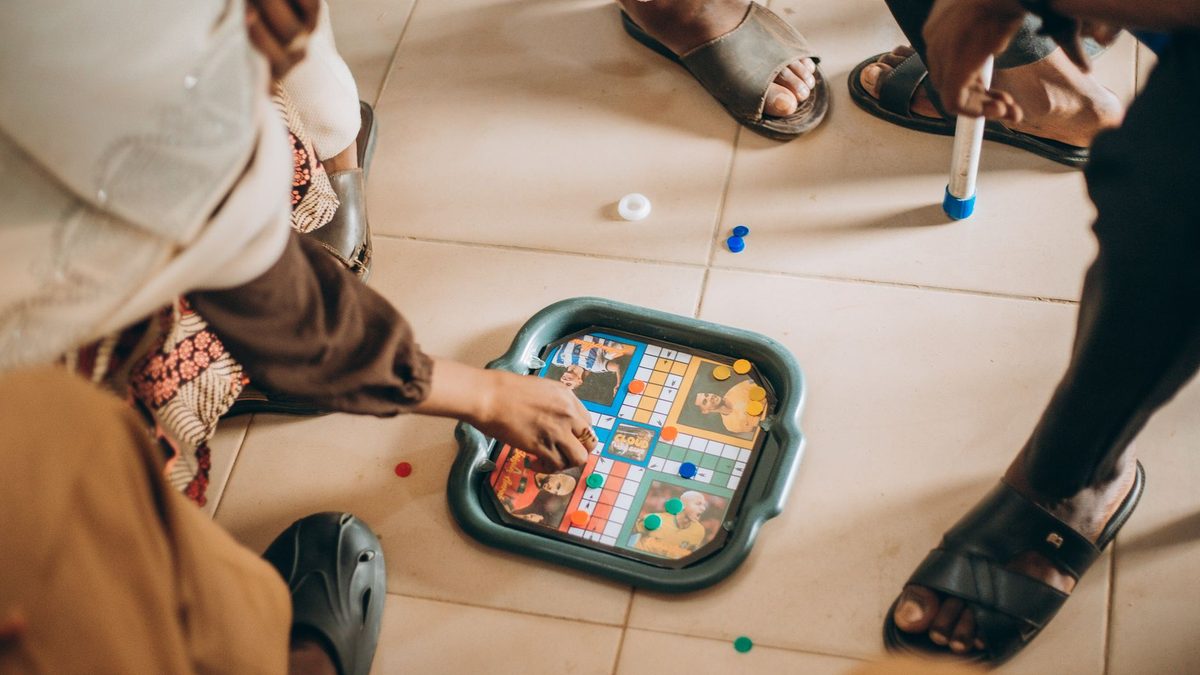
The most widespread is the collision rule: a roll only counts if the two pencils actually touch. It is a small change that makes every battle feel like a genuine clash rather than two separate rolls.
How it compares to other quick two-player games
| Feature | Battle Pencils | Dice games | Card games |
|---|---|---|---|
| Setup time | Seconds | Seconds | Shuffle and deal |
| Turn structure | Simultaneous | Alternating | Alternating |
| Scorekeeping | None | Usually required | Varies |
| Component doubles as | A working school pencil | Nothing else | Nothing else |
| Collectible | Yes — characters and chase pencils | No | Sometimes |
| Anything destroyed | No | No | No |
| Typical game length | 2–5 minutes | 5–20 minutes | 10–30 minutes |
Swipe the table sideways to see every column.
If you arrived here from the playground version, the contrast is worth spelling out: this duel is decided by a rolled number rather than a snapped shaft, which is why it survives contact with a classroom. We cover that older game in full in our guide to pencil fighting rules and how the playground classic works, and the safety case for switching in our guide to whether pencil fighting is dangerous for children.
Frequently asked questions
How do you play Battle Pencils?
Two players each secretly choose a pencil and roll at the same time. You read the number on your pencil that matches the symbol printed on your opponent’s pencil, and the higher number knocks out the losing pencil.
A pencil that wins or ties must roll again next battle. The first player to knock out all of their opponent’s pencils wins.
How many pencils do you need to play?
Three or five per player is the most common starting count, but any agreed number from one to ninety-nine works. Both players should start with the same number.
What happens if both players roll the same number?
A tie counts as a survival for both pencils. Neither is knocked out, and because both tied rather than lost, both must be rolled again in the next battle under the counter rule.
What is the counter rule in Battle Pencils?
Any pencil that wins or ties a battle must be rolled again in the following battle. You cannot swap it out. This stops players from simply cycling to their best matchup every round and is the main source of strategic tension.
What age is Battle Pencils suitable for?
Ages six and up. The rules can be learned in under a minute, and the only skills required are recognising three symbols and comparing two numbers.
Do Battle Pencils still work as normal pencils?
Yes. Each one is a functional writing pencil with a cedar barrel and a No. 2 HB graphite core, so it goes back in the pencil case and back to schoolwork after the game.