Pencil Fighting Rules: How the Playground Classic Actually Works
The real rules of pencil fighting, where the game came from, why teachers disliked it, and the safer way to settle the same duel.
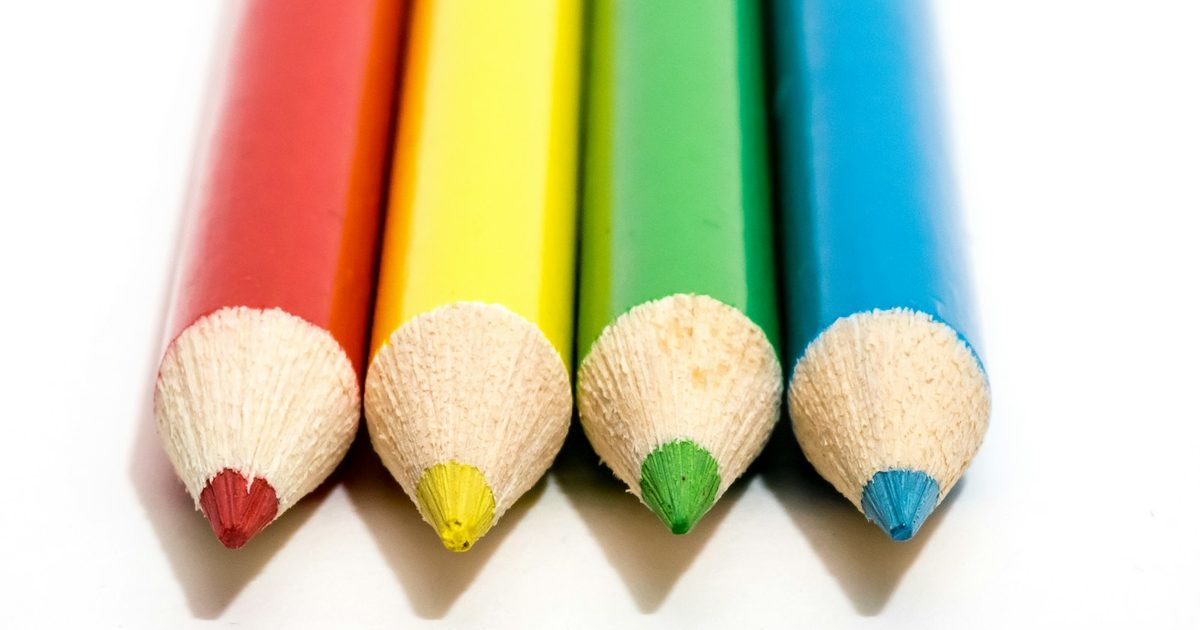
Ask anyone who was at school between the late 1970s and the early 2000s whether they played pencil fighting, and you usually get the same reaction: a grin, then a story about a pencil that would not break.
Nobody was ever formally taught it. It travelled desk to desk under names that changed every few counties, and the pencil fighting rules were passed on entirely by demonstration.
This guide covers how the game is played, where it came from, why teachers disliked it, and what a safer version looks like.
Key takeaways
- Pencil fighting is a two-player duel in which players take turns striking each other’s pencil until one snaps.
- It spread through schools toward the end of the 1970s under the names Pencil Break, Cracks or simply Pencils.
- The documented safety risk is eye injury from launched wood and graphite fragments — not bruised hands.
- A skilled player could reportedly break a standard No. 2 pencil four times before it was unusable.
- The same head-to-head tension works without destroying anything if you decide the winner by a rolled number instead of a snap.
What pencil fighting actually is
The premise is brutally simple: two players, two pencils, one survivor.
One player becomes the defender and holds their pencil horizontally, gripped at both ends. The other becomes the striker, raises their own pencil, and brings it down across the defender’s in an attempt to snap it in two.
If the pencil holds, the roles swap. That is the entire loop — and matches were usually over in under a minute, which is why the game fitted so neatly between lessons.
The rules, step by step
1. Agree the equipment
Both players first agree what counts as a legal pencil. In casual play that meant “whatever is in your bag”. Organised play is stricter: the World Extreme Pencil Fighting League in Seattle runs refereed matches where only officials hand out the pencils, so nobody brings a doctored one.
2. Decide who strikes first
The traditional method is an eraser flip — a coin toss with a pencil. The loser defends first, the worse position, because the defender’s pencil takes the hit.
3. Take alternating strikes
The defender holds firm. The striker swings once, with full force, aiming to catch the pencil square across its middle. Then the players trade places.
4. Declare a winner
The first player whose pencil snaps loses. There is no scoring, no tracking, and no ambiguity — which is a large part of the appeal.
Same game, a dozen different names
Because the game spread by word of mouth rather than by any rulebook, the vocabulary drifted by region and decade.
| Term | Where it comes from | What it refers to |
|---|---|---|
| Pencil fighting | The most widely recognised modern name | The game as a whole |
| Pencil Break | The most common name in the late 1970s | The game as a whole |
| Cracks | Regional playground shorthand | The game, or a single successful strike |
| Pencils | The plainest version — “playing pencils” | The game as a whole |
| Striker | Competition terminology | The player taking the swing |
| Defender | Competition terminology | The player holding the pencil |
Swipe the table sideways to see every column.

A short history of the pencil duel
The game took hold toward the end of the 1970s, played enthusiastically across elementary, middle and high schools and disapproved of by more or less every educator who saw it.
That tension defines its history. It was popular precisely because it was slightly forbidden, cost nothing, and needed nothing beyond what every pupil already carried.

How players gained an edge
Where there is a game, there is min-maxing, and pencil fighters were ruthless about it.
- Pencil selection. Players hunted for brands known for denser, tougher wood.
- Eraser removal. Stripping the ferrule and eraser changed the balance of the swing.
- Chewing the shaft. Genuinely a tactic — compressing the wood was believed to toughen it against a strike.
The durability numbers were taken seriously too. A standard No. 2 pencil could reportedly be broken as many as four times by an expert before it was spent.
The part schools objected to
The obvious worry is fingers, and struck knuckles certainly happened. But that is not the hazard that gets the game banned.
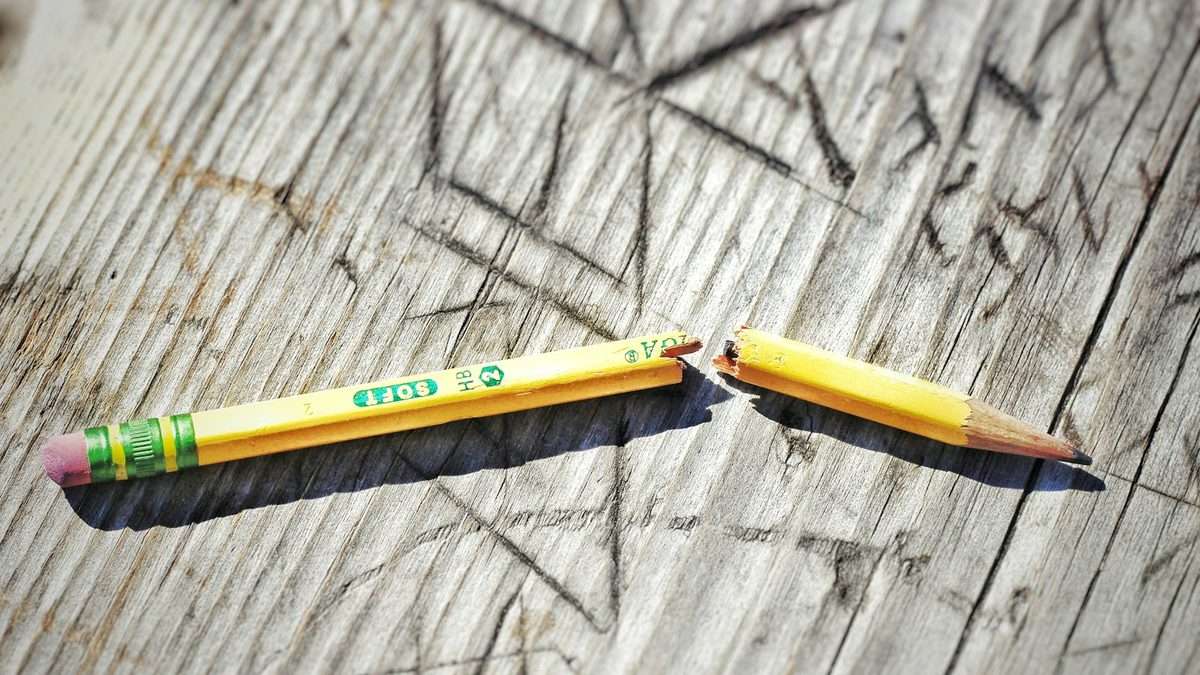
When a wooden pencil fails under a hard strike, it does not fold quietly. Splinters of cedar and fragments of graphite are thrown outward from the break, at speed, at desk height — which puts them at roughly eye level for two seated children. Eye injury is the documented risk of pencil fighting.
If children are playing this: eye protection and a hard surface clear of faces are the minimum. We go through the risks, the school-ban question and the safer substitutions in detail in our guide to whether pencil fighting is dangerous for children.
Fouls and fair play
Informal as it was, the game developed a consistent code. Most playgrounds recognised the same fouls and applied the same penalty: the offender surrenders a free extra strike against their own pencil.
Getting the duel without the damage
Strip the game back and the appeal is not destruction. It is a fast, two-player moment with a clear winner, settled in seconds, using something already in your hand.
All of that survives if you change what decides the outcome. Instead of snapping a pencil, you roll it and compare the number that lands against your opponent’s symbol — higher number knocks the other pencil out. That is the mechanic behind the Battle Pencils rolling duel you can learn in under a minute.
| Factor | Classic pencil fighting | Rolling pencil duel |
|---|---|---|
| How the winner is decided | One pencil physically snaps | Higher rolled number wins the exchange |
| Cost per match | At least one pencil destroyed | Nothing consumed |
| Main safety risk | Launched wood and graphite fragments | None beyond rolling a pencil off a desk |
| Still usable for schoolwork | No | Yes — it is still a working pencil |
| Skill involved | Grip, force and pencil choice | Reading matchups and managing risk |
| Classroom friendly | Banned at many schools | Designed for desks and tables |
| Replay | Needs a fresh pencil | Same pencils play again tomorrow |
Swipe the table sideways to see every column.
If strategy interests you more than nostalgia, each pencil rolls its own distribution of numbers, giving it a distinct personality in a duel. Compare them across the Battle Pencils character roster, or work through the full Battle Pencils rules, house rules and strategy guide.
Frequently asked questions
What are the basic rules of pencil fighting?
Two players take turns. One holds their pencil horizontally with both hands while the other strikes it with their own pencil. Players alternate roles after each strike, and the first player whose pencil breaks loses the match.
What else is pencil fighting called?
In the late 1970s it was more commonly known as Pencil Break, Cracks, or simply Pencils. Competition play uses the terms striker for the attacking player and defender for the player holding the pencil.
Is pencil fighting dangerous?
There is a real risk of eye injury, because pieces of wood and graphite can be launched when a pencil is struck hard enough to break. Struck fingers are also common. Many individual schools have banned the game for these reasons.
How many times can one pencil be broken?
An expert player could reportedly break a standard No. 2 pencil about four times before the remaining pieces became too short to use, since each break leaves two shorter but still usable fragments.
Is there a version of pencil fighting that does not break pencils?
Yes. Rolling duels keep the two-player, fast-resolution format but decide the winner by comparing rolled numbers rather than by breaking anything, so the pencils survive the match and remain usable for writing.
Why did teachers ban pencil fighting?
Because it destroys school equipment, creates noise and disruption during lessons, and carries a genuine eye-injury risk from fragments thrown out when a pencil snaps.