Why Kids Collect Things (and What They Learn From It)
Why collecting peaks between six and twelve, the skills hidden inside it, and how to support it without taking it over.
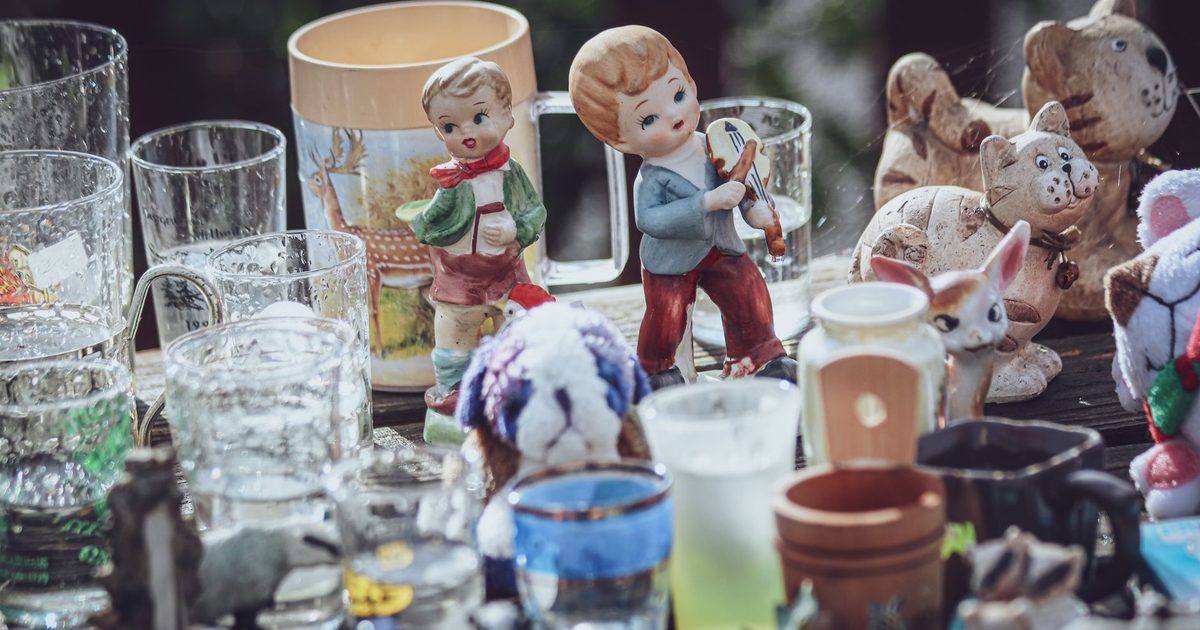
At some point most children start collecting something. Stickers, cards, small plastic figures, stones from the garden, erasers shaped like food.
To an adult it can look like acquisitiveness. It is usually something more interesting: a child practising sorting, valuing, negotiating and belonging, using objects cheap enough that mistakes cost nothing.
Ask why kids collect things and the honest answer is that it gives them something to be an expert in, at an age when almost nothing else does.
Key takeaways
- Collecting typically peaks between about ages 6 and 12, then usually fades on its own.
- It develops real skills: categorising, comparing, negotiating and delayed gratification.
- The social side matters more than the objects — trading is often the actual point.
- A collection with a visible gap is far more motivating than a complete one.
- Watch for distress rather than enthusiasm; that is the line worth noticing.
What a collection is actually for
A collection gives a child a small domain they completely control. They decide what belongs, how it is ordered, what counts as rare and what a fair swap looks like.
Very little else in a child’s life offers that. School, home and mealtimes are all arranged by somebody else. A shoebox of cards is theirs entirely.
The skills hiding inside it
| Activity | Skill | Where else it shows up |
|---|---|---|
| Sorting into groups | Categorisation | Early science and maths |
| Ordering by rarity | Comparison and ranking | Number sense |
| Spotting duplicates | Matching and memory | Reading and pattern work |
| Agreeing a swap | Negotiation | Friendships and conflict resolution |
| Saving for a missing piece | Delayed gratification | Almost everything later |
| Explaining the collection | Vocabulary and sequencing | Speaking and writing |
Swipe the table sideways to see every column.
None of this is why children collect. They collect because it is satisfying. The skills come along regardless, which is what makes it worth leaving alone.
Trading is the real activity
Watch a group of children with collections and most of the time is spent not looking at their own things but negotiating over each other’s.
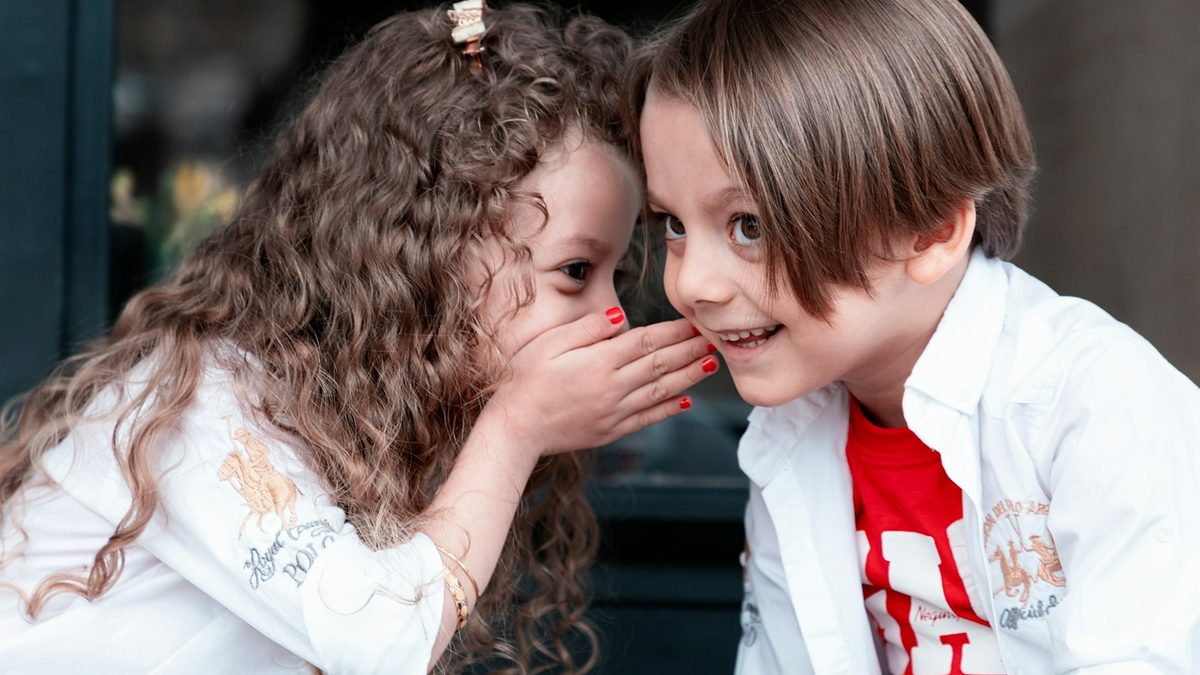
Trading requires working out what someone else values, what you can spare, and whether the deal is fair. Children get genuinely good at this, and they do it without any adult explaining the concept of a market.
It is also where collections become social. A child with a collection has a reason to approach another child, which is not a small thing if approaching people is hard for them.
Why rarity works so well
Every successful collectible system has tiers, and the reason is simple: a complete set is finished, and a finished collection stops being interesting.
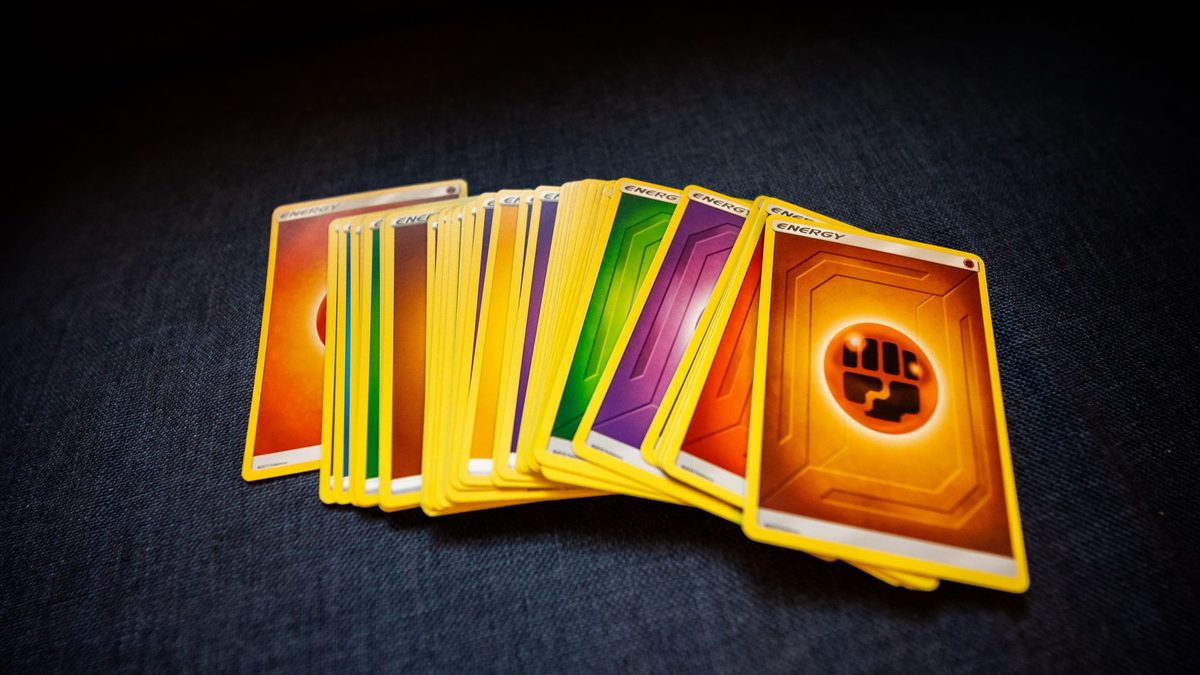
A visible gap does two things. It gives the child a goal, and it gives the collection a story — the one they are still looking for, the one they traded three things to get.

This is why chase items exist in almost every collectible range. In our own case, Optimistic Prime is a chase pencil — and deliberately not a more powerful one, because a rare item that also wins games turns collecting into an arms race rather than a hobby.
Supporting it without taking it over
The fastest way to end a child’s interest in a collection is to become more enthusiastic about it than they are.
| Adult behaviour | Effect | Better approach |
|---|---|---|
| Buying the whole set | Removes the point entirely | Let them acquire it gradually |
| Reorganising it for them | Takes away their domain | Ask how they have sorted it |
| Correcting their valuations | Deflating and pointless | Let value be what they think |
| Providing storage | Genuinely helpful | A box or tray, nothing elaborate |
| Asking them to explain it | They will talk for an hour | Ask which one is best and why |
| Enforcing a limit | Depends how it is framed | Limit the space, not the hobby |
Swipe the table sideways to see every column.
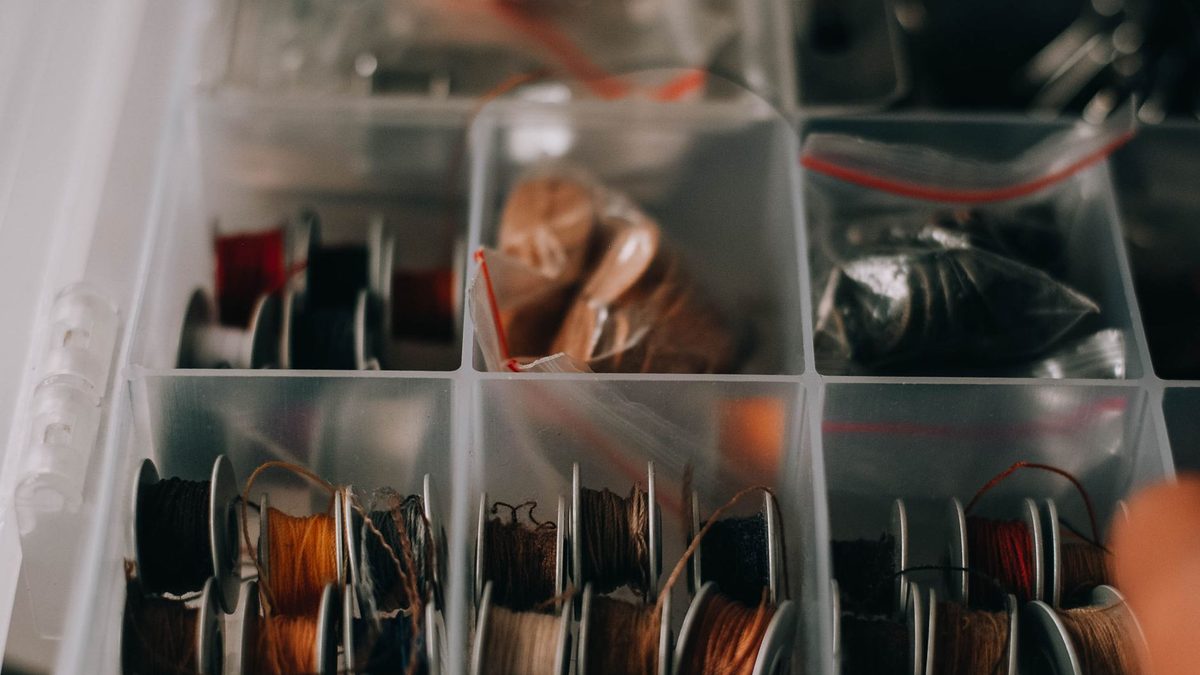
“Limit the space, not the hobby” does a lot of work. A designated box means the child makes the decisions about what stays, which is a far better lesson than an adult periodically throwing things away.
When it stops being fun
Enthusiasm is not a problem. A few things are worth noticing.
- Distress rather than disappointment at a missing item.
- Trades that are clearly one-sided, particularly with older children.
- Spending that escalates, especially with randomised packs.
- Social exclusion built around who has what.
Randomised packs deserve particular attention, because the uncertainty is doing the same thing to a child’s attention that it does to an adult’s. Buying a known item is a purchase; buying a sealed pack is a gamble. Research on how reward uncertainty shapes behaviour is summarised by bodies such as the American Psychological Association.
It usually ends by itself
Most collecting fades somewhere in early adolescence, when social attention shifts elsewhere. That is normal and not something to mourn.
What tends to remain is the habit underneath it: sorting things, valuing things, and negotiating with people over both. Those outlast the shoebox by a considerable margin.
Where collecting and playing overlap, the two reinforce each other: a collection that is also a game gets handled daily rather than stored. Our guides to how a collectible pencil duel actually plays and which novelty pencils are worth keeping cover both sides of that.
Frequently asked questions
Why do children like collecting things?
A collection gives a child a small domain they fully control, deciding what belongs, how it is ordered and what counts as rare. Very little else in their life offers that, and the trading around it provides a reliable way to connect with other children.
At what age do children start collecting?
Collecting typically becomes strong between around six and twelve, once children can sort and compare reliably. It usually fades during early adolescence as social attention moves elsewhere, which is a normal part of development.
Is collecting good for children?
Generally yes. It develops categorisation, comparison, memory, negotiation and delayed gratification, all through an activity the child is doing voluntarily. The social trading element also gives children a low-pressure reason to approach one another.
Should you buy your child a complete set?
Usually not. A complete collection is a finished one, and the missing item is what gives the collection its goal and its stories. Acquiring things gradually, including through trades, is where most of the value sits.
How do you stop a collection taking over the house?
Limit the space rather than the hobby. Give the child a designated box or tray and let them decide what earns a place in it. That puts the editing decisions with them, which teaches far more than an adult periodically discarding things.
When should you worry about a child’s collecting?
Watch for genuine distress rather than disappointment over a missing item, consistently one-sided trades with older children, escalating spending on randomised packs, and social exclusion organised around who owns what.