Math Games for Kids That Do Not Feel Like Homework
Dice and card games where the arithmetic decides who wins, matched to age and skill — and how to teach probability without anyone noticing.
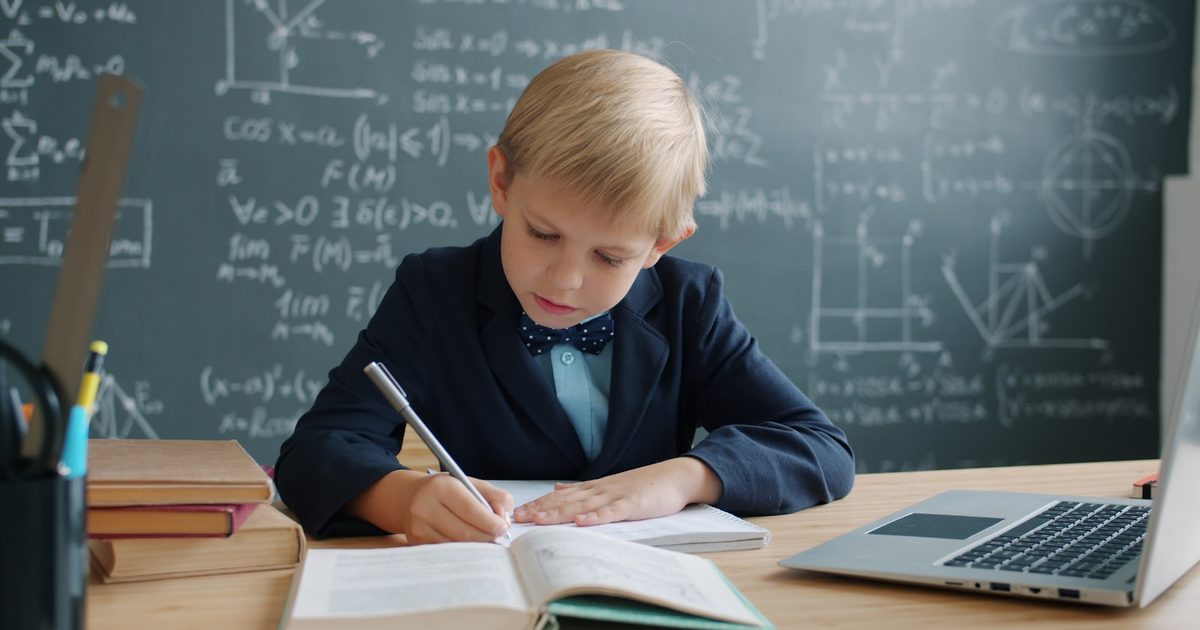
The fastest way to make a child resist math practice is to call it math practice. The fastest way to get them to do twenty calculations without noticing is to put a winner at the end of it.
These are games where the arithmetic is not bolted on. It is the thing that decides who wins.
The math games for kids that survive past the second round all share that property: the calculation is the move, not a toll you pay before the move.
Key takeaways
- The best math games make the calculation decide the outcome, not interrupt it.
- Comparison games suit ages 5–7; arithmetic games 7–9; probability games 9 and up.
- Dice and cards cover most of the ground for almost no money.
- Games that repeat quickly beat games that are elaborate — repetition is the practice.
- Never announce a game as educational. It ends the game.
What makes a math game actually work
Plenty of “educational” games are really a board game with sums stapled on. You move, you answer a question, you move again. The math is a toll gate.
The games worth playing are the ones where doing the math well is how you win. That is what turns practice into strategy.
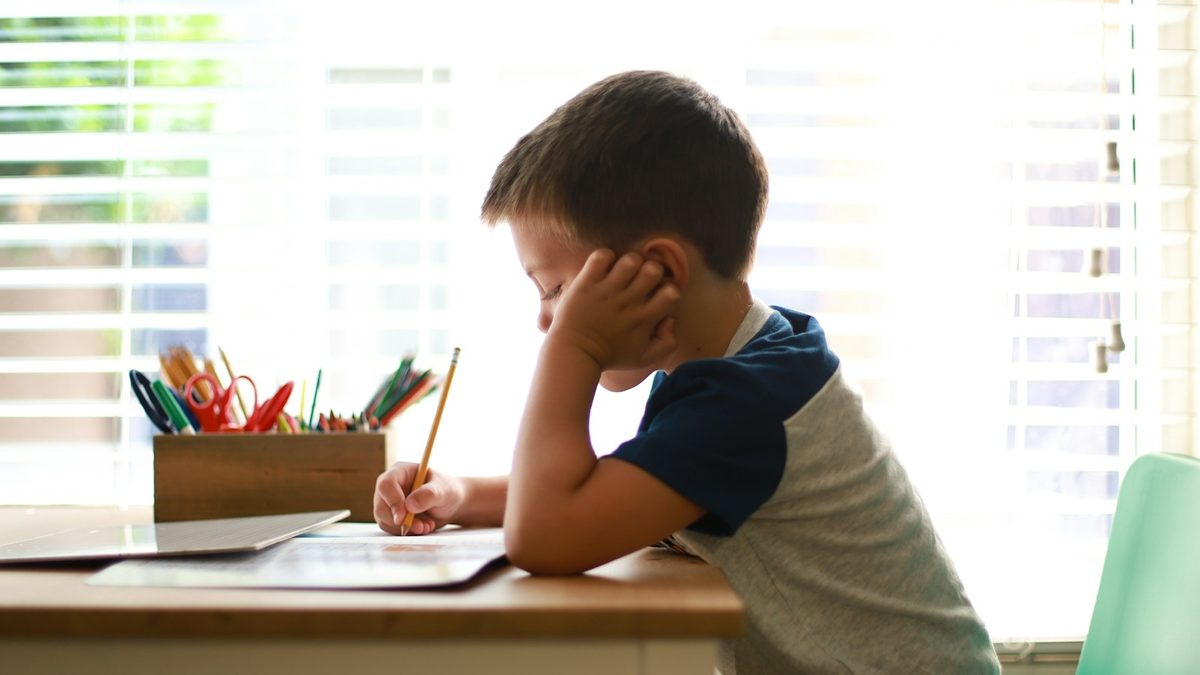
Games with dice
Two dice and a scrap of paper cover an enormous amount of curriculum.
Beat That
Roll two dice and arrange them into the highest two-digit number you can. A 4 and a 6 becomes 64, not 46. Highest number wins the round.
It teaches place value faster than any worksheet, because getting it wrong loses the round immediately.
Pig
Roll repeatedly, adding to a running total. Bank your points whenever you like — but roll a one and you lose everything gained that turn.
Pig is a genuine lesson in expected value dressed up as a push-your-luck game.
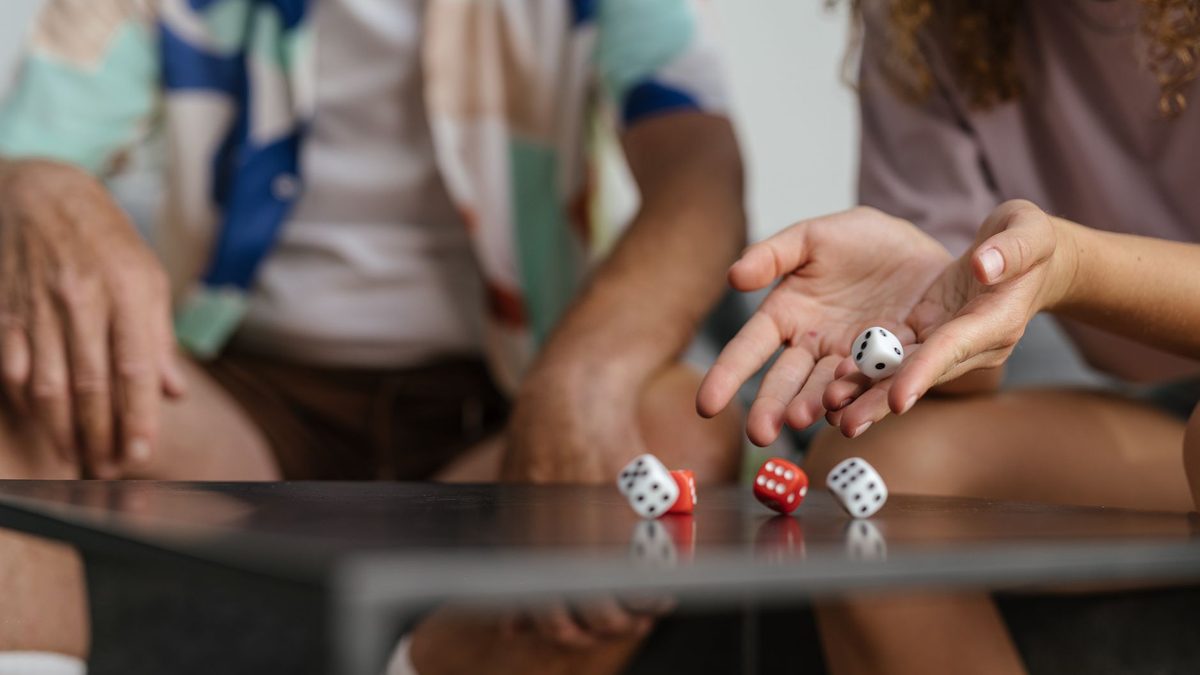
Target Number
Roll four dice and a target. Use any operations to reach the target as closely as possible. Excellent for mixed ages, because younger players can add while older ones multiply and divide.
Games with cards
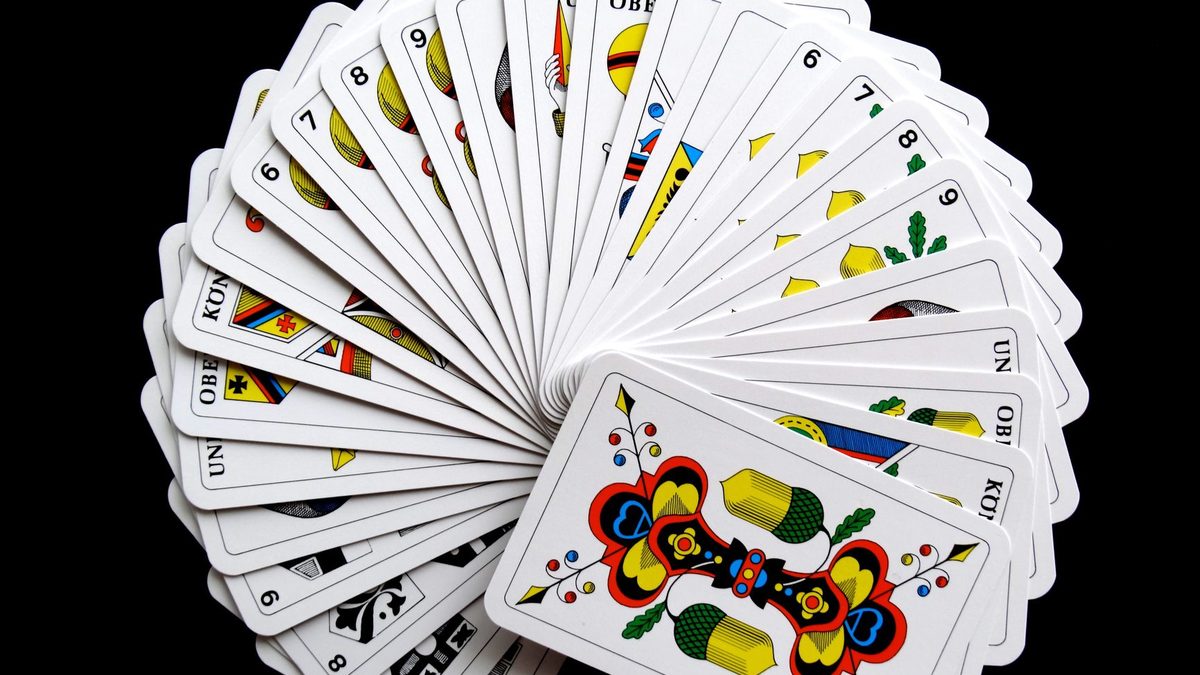
Strip the picture cards out of a standard deck and you have a numeracy toolkit.
- Math War. Both players flip two cards and multiply. Higher product takes all four.
- Make Twenty-Four. Four cards, any operations, hit 24 exactly.
- Close Call. Deal four cards, arrange into two two-digit numbers, add them, get nearest to 100.
- Salute. Three players; two hold a card to their forehead, the third calls the product. Each must work out their own card.
Matching the game to the age
| Game | Ages | Skill practised | Equipment | Round length |
|---|---|---|---|---|
| Beat That | 5–8 | Place value | 2 dice | 20 seconds |
| Math War | 7–10 | Multiplication facts | Card deck | 10 seconds |
| Close Call | 7–10 | Two-digit addition | Card deck | 1 minute |
| Salute | 8–11 | Inverse operations | Card deck | 15 seconds |
| Pig | 8–12 | Expected value, risk | 1 die | 2 minutes |
| Make Twenty-Four | 9–13 | Mixed operations | Card deck | 2 minutes |
| Target Number | 9–13 | Flexible calculation | 4 dice | 2 minutes |
Swipe the table sideways to see every column.
Probability: the most under-taught idea
Children grasp “likely” and “unlikely” long before they can calculate anything. Games are the natural place to build that intuition.
Start with a coin. Ask which is more likely, then flip it twenty times and tally. The gap between what they predicted and what happened is the entire lesson.

Move to two dice and the picture gets richer. Seven comes up far more often than two, and children can discover why by listing the combinations themselves. The National Council of Teachers of Mathematics treats this kind of hands-on data collection as foundational rather than enrichment.
When the game itself is the distribution
There is a neat variant of this idea where the probability is baked into the component rather than the rules.
Each Battle Pencil carries three numbers with its own spread — different means, different variance, all balanced to the same total. Choosing between a reliable pencil and a volatile one is a decision about distributions, made without anyone saying the word. The mechanics are set out in the complete Battle Pencils rules and strategy guide, and the differences between characters in our breakdown of the Battle Pencils character playstyles.
Making it stick
| Problem | Likely cause | Fix |
|---|---|---|
| “This is just math” | The game was introduced as practice | Introduce it as a game, never explain the purpose |
| One child always wins | No handicap | Stronger player uses harder operations |
| Interest dies after two rounds | Rounds are too long | Switch to a 10–20 second game |
| Guessing instead of calculating | No cost to being wrong | Wrong answers lose the round outright |
| Too hard, frustration sets in | Game outpaces fluency | Drop one operation, keep the format |
Swipe the table sideways to see every column.
For the classroom
Most of these fit a five-minute slot, which makes them useful as lesson starters or as a cognitive-switch break. Our guide to no-prep classroom brain breaks covers how to time those, and quiet indoor recess games for small classrooms covers the longer sessions.
Two rules carry most of the benefit: keep rounds short so repetition does the teaching, and never once describe the game as educational.
Rotate three or four games rather than drilling one. Familiarity is what makes a round fast, but novelty is what makes children ask for another one.
Frequently asked questions
What are the best math games for kids?
Beat That for place value, Math War and Salute for times tables, Close Call for two-digit addition, and Pig for probability and risk. All use only dice or a standard deck of cards and run in short, repeatable rounds.
How do math games help children learn?
They provide high-repetition practice with immediate feedback, because a miscalculation loses the round straight away. Short rounds mean a child may complete dozens of calculations in a few minutes without experiencing it as practice.
What math games need no equipment?
Mental games such as counting in steps, Buzz for multiples, and guess-my-number need nothing at all. Beyond those, a single die or a deck of cards with the picture cards removed covers most number skills.
At what age can children start probability games?
Intuitive probability works from around age six using coins and single dice, where children predict and then tally results. Formal reasoning about combinations, such as why seven is the most common total on two dice, usually suits nine and above.
How do you stop a math game feeling like homework?
Do not announce the educational purpose, keep rounds short enough to replay immediately, and make sure the calculation decides who wins rather than acting as a gate between turns. Adding a handicap for the stronger player also keeps it competitive.
Are dice games good for teaching math?
Very. Dice generate random numbers for arithmetic practice while naturally introducing probability, since children quickly notice some totals appear more often than others. Two dice and paper cover place value, addition and expected value.