Notebooks and Paper for Kids: Ruling, Weight and Binding
Which ruling suits which age, what weight stops bleed-through, and why binding fails long before the pages run out.
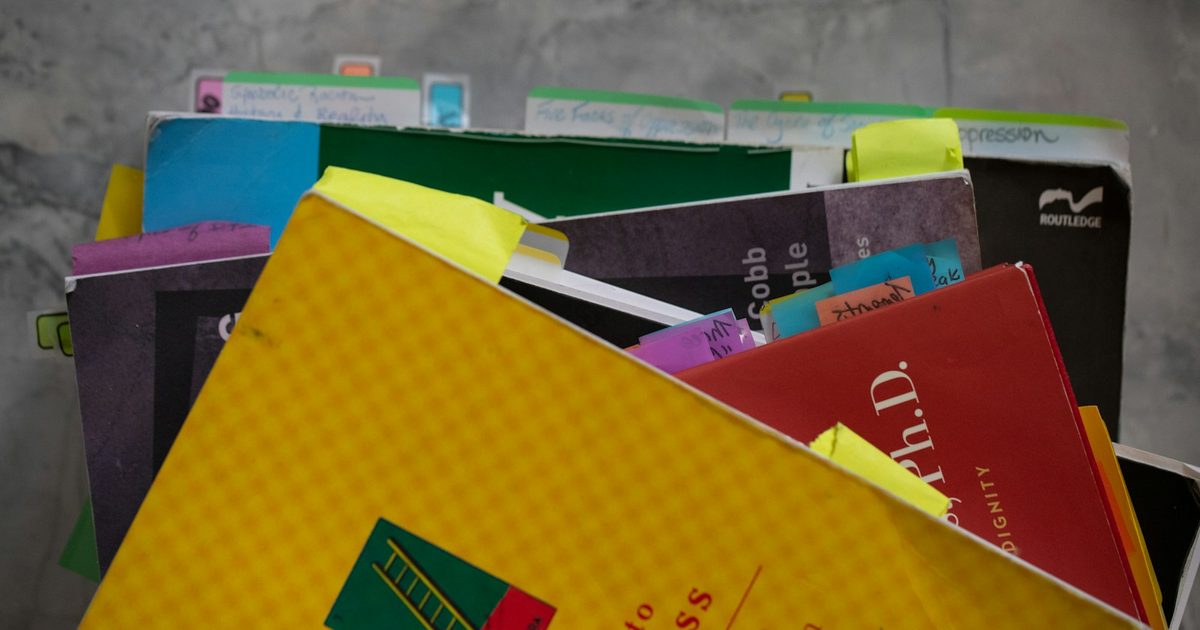
Paper is the half of the writing equation nobody thinks about. A good pencil on bad paper is a frustrating experience, and most of the time the paper is what is actually wrong.
Choosing notebooks and paper for kids comes down to four things: how it is ruled, how heavy it is, how it is bound, and whether the surface has any tooth.
Key takeaways
- Line spacing matters most for young writers — wide-ruled until the writing has shrunk naturally.
- Paper weight decides bleed-through. Anything under about 80gsm shows pen on the reverse.
- Tooth is the surface texture that graphite catches on. Glossy paper barely takes pencil.
- Binding is what actually fails in a school bag, long before the pages run out.
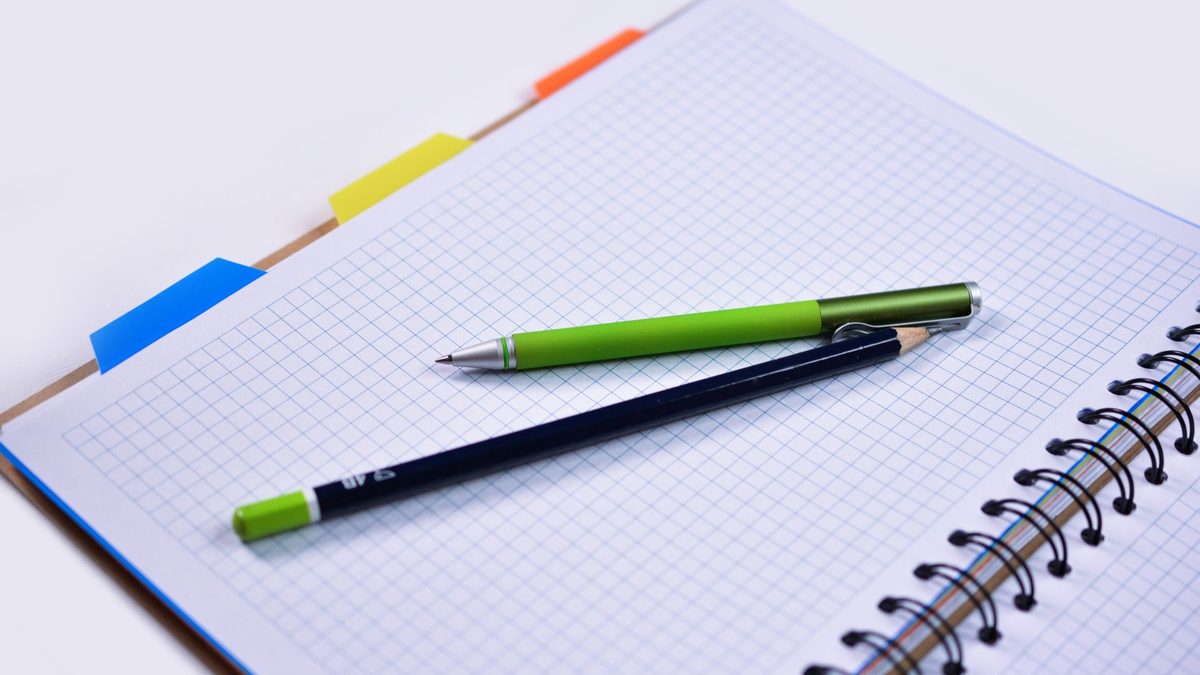
- Squared paper is not just for maths; it is a free alignment guide for anyone.
Ruling: lined, squared or plain
Each does a different job, and using the wrong one creates problems that look like handwriting problems.
| Ruling | Best for | Ages | Weakness |
|---|---|---|---|
| Wide-ruled with a midline | Learning letter formation | 4–7 | Looks babyish to older children |
| Wide-ruled | Early independent writing | 6–9 | Wastes space once writing shrinks |
| Narrow-ruled | Older writers, note-taking | 10+ | Cramped for large handwriting |
| Squared | Maths, diagrams, alignment | 7+ | Distracting for prose |
| Plain | Drawing, mind maps | Any | Writing drifts downhill |
| Dotted | Sketching with guidance | 9+ | Harder to find |
Swipe the table sideways to see every column.
Line spacing for young writers
The most common mistake is moving a child to narrow lines too early because the wide-ruled book looks childish.
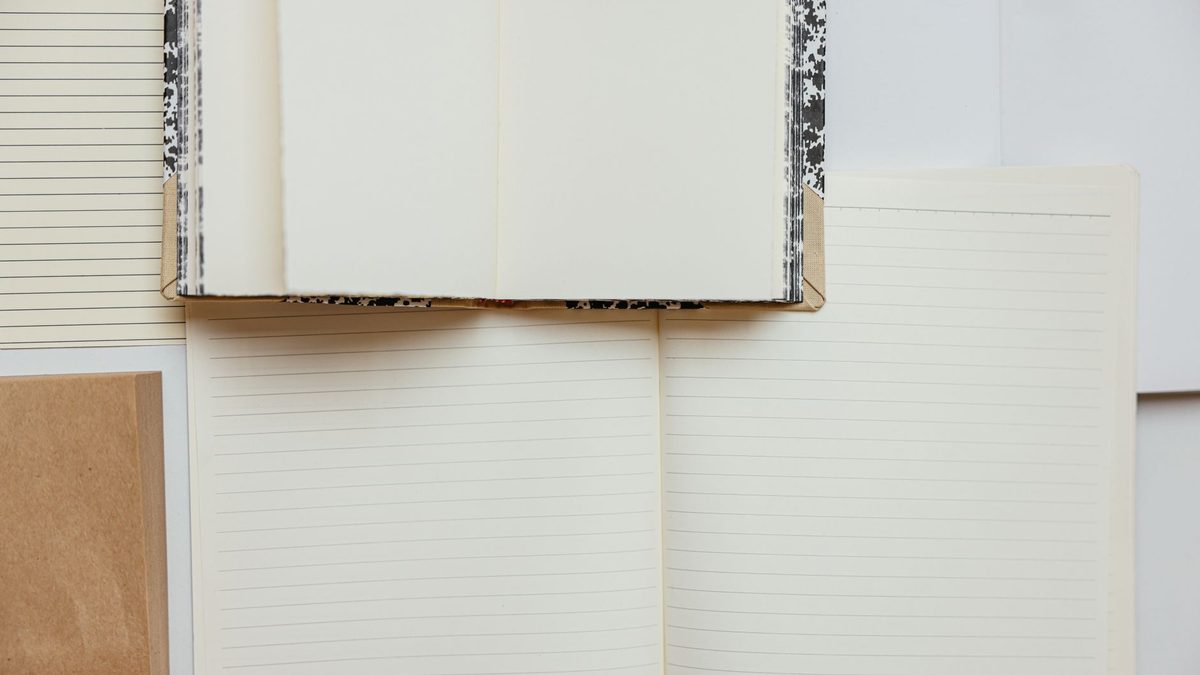
Handwriting size shrinks naturally as fine motor control develops. Forcing it by shrinking the lines produces cramped, effortful writing and often more pressure — which brings its own problems, covered in pencil grip and handwriting.
The midline in early handwriting books is genuinely useful. It shows where lower-case letters stop and which ones are allowed to poke above.
Squared paper is underrated
Squared paper is usually issued only for maths, which wastes it. The grid is a free alignment guide: it keeps diagrams straight, makes tables trivial to rule, and gives a child who writes downhill something to follow.
It is also the easiest way to keep columns of figures lined up, which removes a whole category of arithmetic mistake that has nothing to do with arithmetic.
Weight, and why pens show through
Paper weight is measured in grams per square metre. It is the number that decides whether writing shows through the page.
- Under 70gsm. Cheap exercise books. Pens bleed through badly.
- 80gsm. Standard copier paper. Fine for pencil, marginal for ink.
- 90–100gsm. Good notebooks. Ink stays put.
- 120gsm and above. Sketching weight. Takes erasing without pilling.
- 200gsm+. Watercolour and wet media.
Pencil is far more tolerant of thin paper than ink, since graphite sits on the surface rather than soaking in. It is erasing that thin paper cannot survive, because the fibres pill and tear — the mechanism described in how erasers work.
Tooth
Tooth is the microscopic roughness of the surface. Graphite marks by catching on it, so paper with no tooth barely takes a pencil at all.
This is why writing on a glossy magazine page feels slippery and produces a faint grey line however hard you press. Heavily coated papers are effectively pencil-proof.
Sketchbook paper deliberately has more tooth than exercise paper, which is why the same pencil produces a richer, darker line in one and a thin line in the other.
Tooth also wears out. Repeatedly going over the same area flattens it, after which no further graphite will stick however hard the child presses.
Binding is what actually fails
Almost no school notebook is ever filled. It falls apart first.
| Binding | Lies flat | Survives a bag | Notes |
|---|---|---|---|
| Stapled | Yes | Adequately | Standard exercise book; cheap |
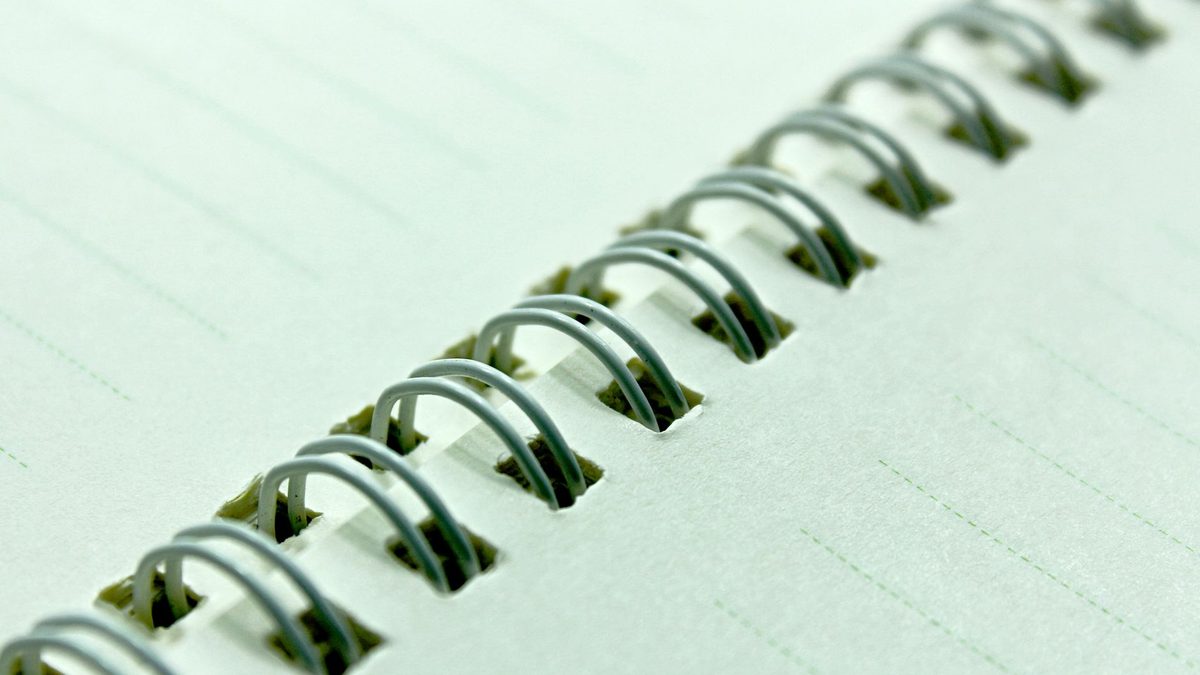
| Spiral | Completely | Poorly — crushes and snags | Pages tear out easily |
| Stitched | Mostly | Very well | The most durable option |
| Glued (perfect) | No | Adequately | Pages detach over time |
| Ring binder | Yes | Depends on rings | Pages get lost, not torn |
Swipe the table sideways to see every column.
Spiral notebooks are popular with children and are the worst performer in a bag. The wire catches on everything and deforms, after which pages tear out on their own.
Sustainability
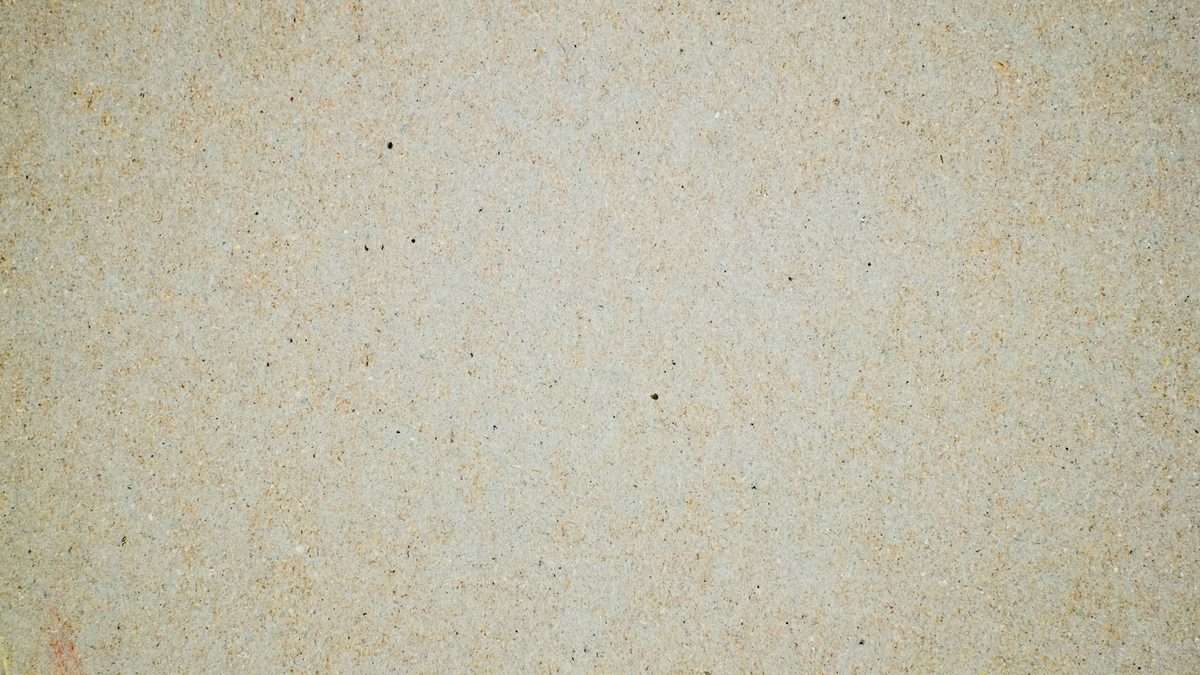
One caution: very cheap recycled stock can be flecked with visible fibre, which catches a pencil unevenly and is distracting to write on. Weight matters more than the recycled label.
Recycled paper is usually slightly rougher and greyer, which is a genuine advantage for pencil and a mild disadvantage for fine ink work. Certification schemes such as FSC responsible forestry certification indicate where the fibre came from.
Where the money is wasted
Character-branded notebooks cost several times a plain one and use the same paper inside. If the cover matters to the child, a plain book and a sticker achieves the same thing for a fraction of the price.
What to actually buy
- Match the ruling to the writing, not the age. Wide lines until the handwriting has genuinely shrunk.
- 80gsm minimum if pens are involved at all.
- Stitched over spiral for anything living in a school bag.
- One plain sketchbook alongside the lined books, kept separate and unsupervised.
That last point pairs with the sketchbook advice in drawing for kids. And the paper only matters if the pencil is also up to the job — see which novelty pencils survive a school year.
Frequently asked questions
What ruling should a young child’s notebook have?
Wide-ruled with a midline while they are learning letter formation, since the midline shows where lower-case letters stop. Move to narrower lines only once their handwriting has shrunk naturally, not because the book looks childish.
What paper weight stops pens showing through?
Around 90 to 100gsm keeps ink from showing on the reverse. Standard 80gsm copier paper is marginal, and cheap exercise books under 70gsm will bleed through noticeably with most pens.
What is paper tooth?
The microscopic roughness of the surface. Pencil marks by graphite catching on that texture, so paper with little tooth, such as glossy coated stock, produces only a faint grey line no matter how hard you press.
Are spiral notebooks good for school?
They lie flat, which children like, but they perform worst in a school bag. The wire catches on other items and deforms, after which pages tear out on their own. Stitched bindings are considerably more durable.
Is thin paper a problem for pencil?
Less than for ink, since graphite sits on the surface rather than soaking in. The real difficulty is erasing: thin paper pills and tears under an eraser, so anything that will be corrected repeatedly wants heavier stock.
Is recycled paper good for writing?
For pencil, often better than standard paper, because it tends to be slightly rougher and holds more graphite. It is a mild disadvantage for fine ink work, where a smoother surface gives cleaner lines.