Rainy Day Activities for Kids at Home
How to shape a whole wet day at home, with activities rated by setup, mess and how long they actually hold attention.
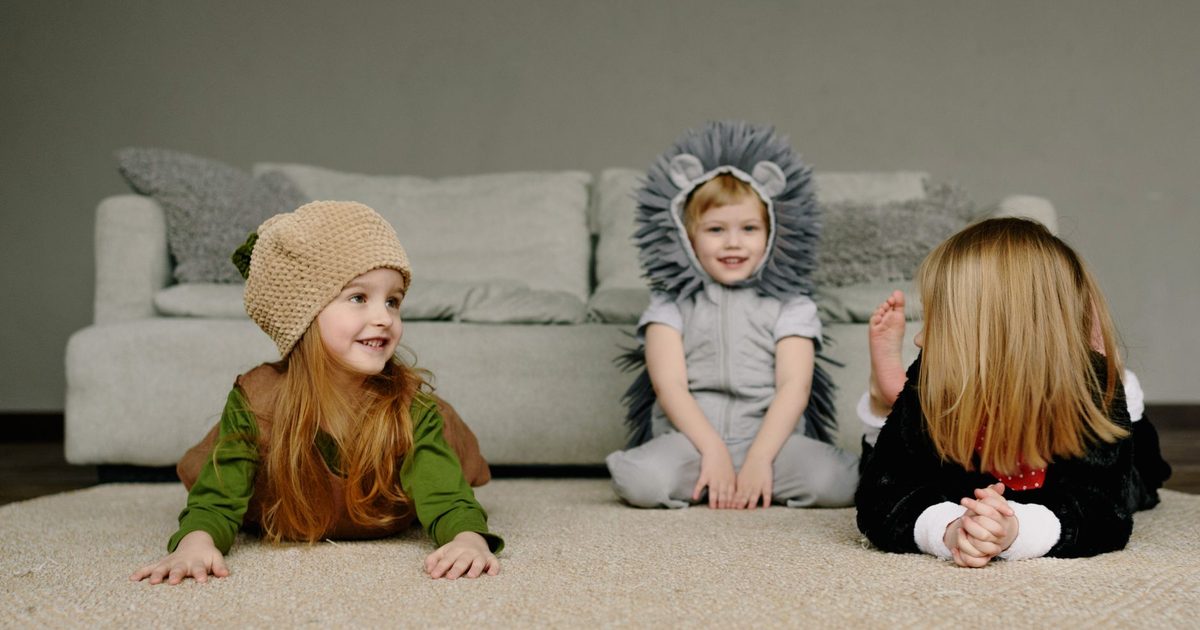
A wet Saturday with children at home is a specific problem. Everyone is indoors, energy has nowhere to go, and the day is far longer than any single activity can fill.
The instinct is to find one brilliant thing to do. What actually works is a rough shape for the day, with several short things in it.
The best rainy day activities are therefore not the most impressive ones. They are the ones that start quickly, end cleanly, and can be followed by something different.
Key takeaways
- Plan the shape of the day, not one activity — nothing holds attention for four hours.
- Alternate physical, creative and quiet blocks rather than stacking the same kind.
- Activities needing a big setup rarely survive; the tidying outlasts the fun.
- Let them be bored for a stretch. It is where their own ideas come from.
- Save one reliable favourite for the late-afternoon slump.
Shape the day first
Children cope with a wet day far better when they can see its structure. It does not need to be a timetable — just a rough sequence everyone knows about.

| Part of day | Energy | Type of activity | Adult involvement |
|---|---|---|---|
| Mid-morning | High | Physical — burn some of it off | Low |
| Late morning | Focused | Creative — making something | High — setup and supervision |
| After lunch | Low | Quiet — reading, audio, rest | Minimal |
| Mid-afternoon | Restless again | Games — together, competitive | Medium |
| Late afternoon | Depleted | The reliable favourite | Medium |
Swipe the table sideways to see every column.
Physical, indoors
The single biggest mistake is skipping this. Children who have not moved will not settle to anything quiet, and no amount of craft will fix it.
- Obstacle course. Cushions, chairs, a laundry basket. Time them, then let them redesign it.
- Balloon keepy-uppy. Cannot break anything, works in a hallway.
- Animal moves. Bear crawl to the kitchen, crab walk back.
- Hide and seek. Still undefeated indoors.
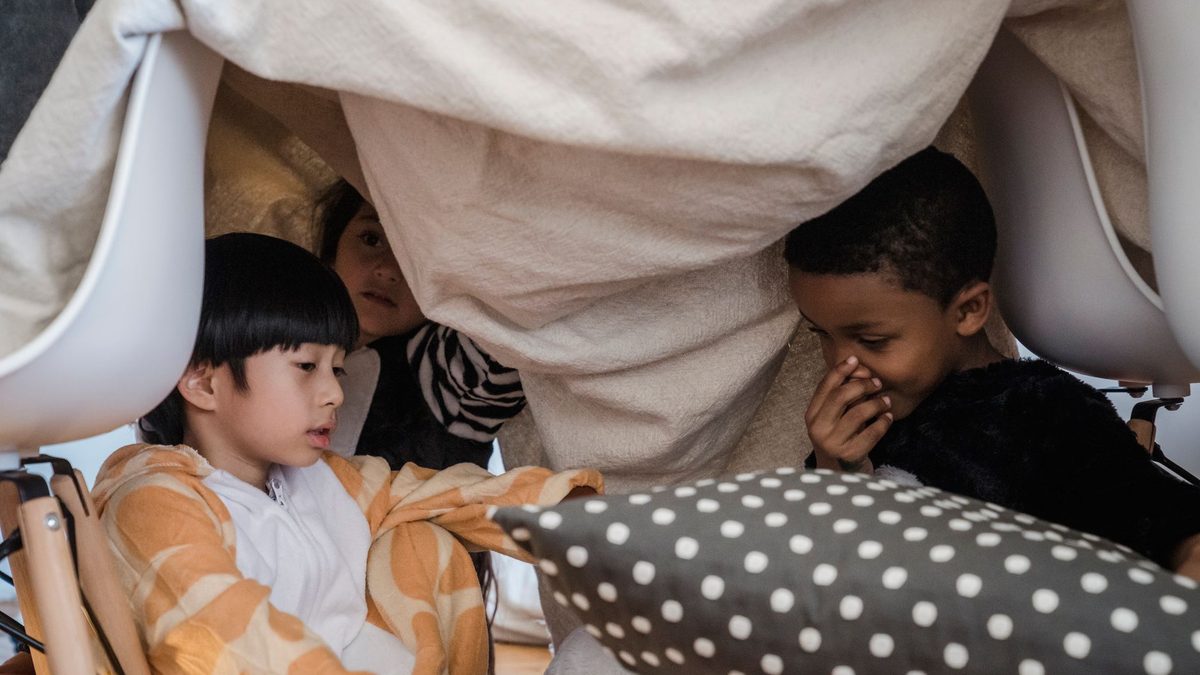
Den building deserves its own mention. It occupies the construction phase and then becomes the venue for whatever happens next, which is unusually good value for a pile of blankets.
It also survives being abandoned and returned to. A half-built den is still there after lunch, which very few activities manage.
Creative, without the aftermath
Craft is where wet days go wrong. An hour of setup, twenty minutes of enthusiasm, and a kitchen table that takes longer to clean than the activity lasted.
The fix is choosing activities where the mess is proportionate.
| Activity | Setup | Mess | Holds attention |
|---|---|---|---|
| Drawing and comics | Seconds | None | 30–60 min |
| Paper folding | Seconds | None | 20–40 min |
| Baking | Moderate | Moderate | 60–90 min |
| Junk modelling | Low | Moderate | 45–90 min |
| Painting | High | High | 20–30 min |
| Slime and putty | Moderate | Very high | 15 min |
Swipe the table sideways to see every column.
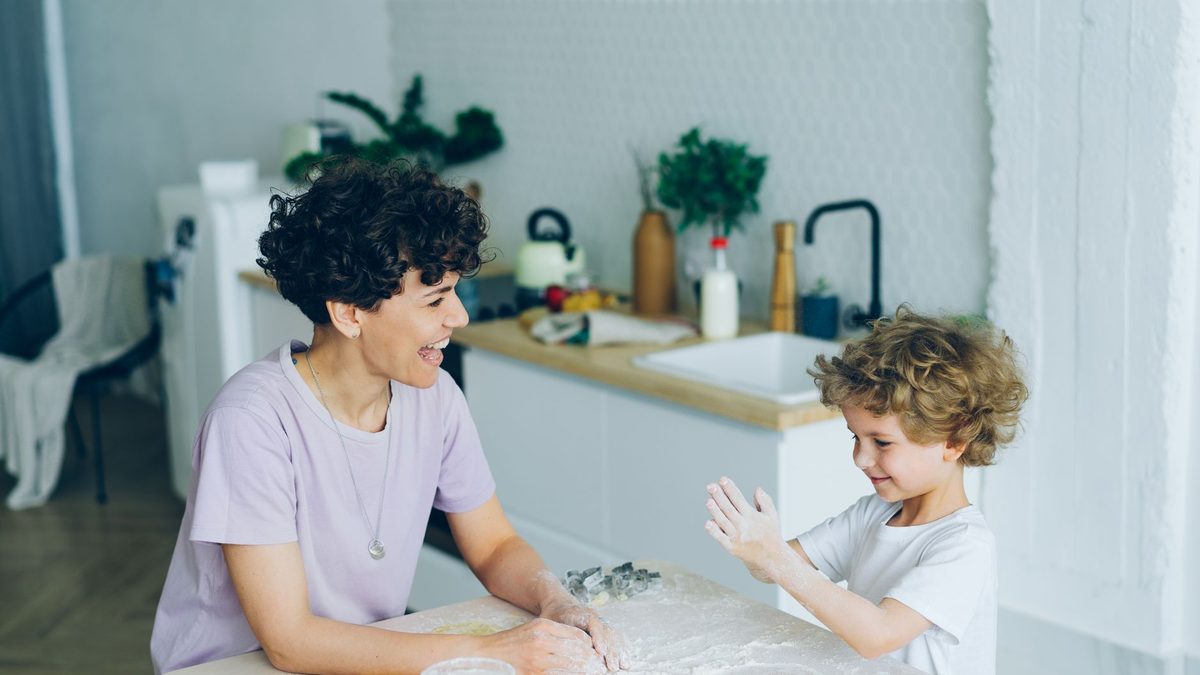
Baking scores unusually well because the waiting is part of it. Twenty minutes of mixing buys another twenty-five of anticipation, and something to eat at the end.
Quiet, after lunch
The post-lunch dip is real and worth working with rather than against. This is the slot for reading, audiobooks, jigsaws or simply lying on the floor.
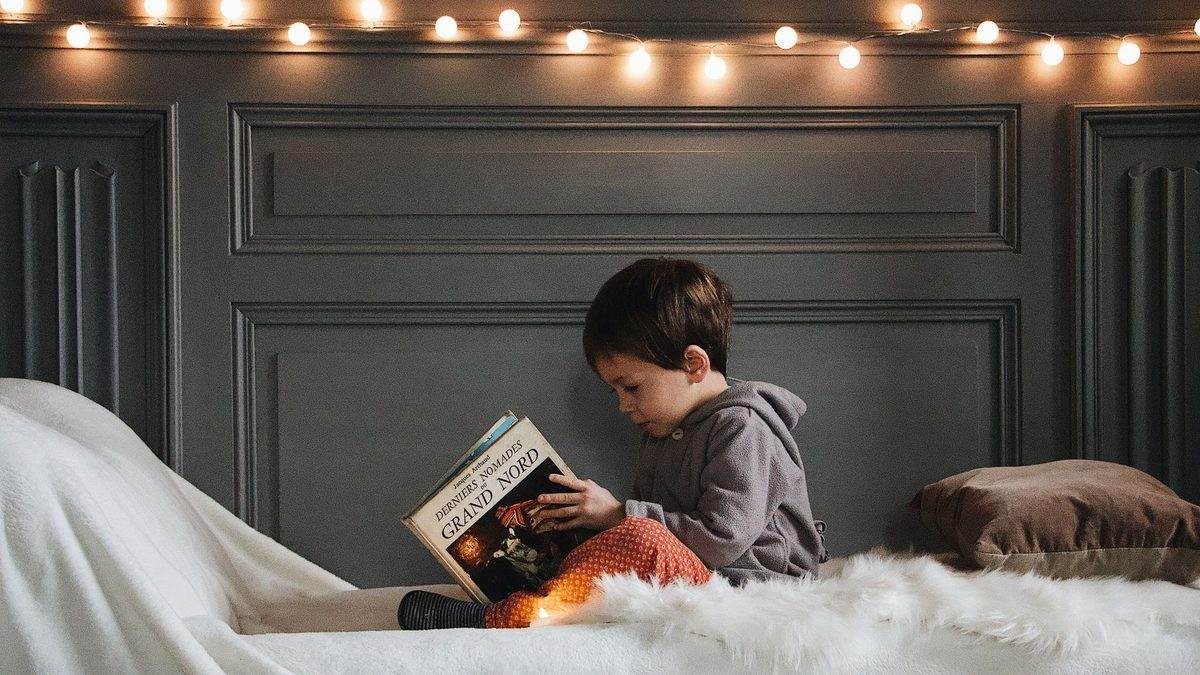
Audiobooks are underrated here because they occupy the mind while the body rests, and a child who will not sit still for a book will often listen to one while drawing. Ideas for building a reading habit are covered well by Reading Rockets.
Games, mid-afternoon
By mid-afternoon the novelty of being indoors has worn off entirely. This is when games earn their place, because they need no new materials and can be repeated.

Keep them short. A game that resolves in two minutes can be played eight times; one that takes forty minutes gets abandoned at minute fifteen when someone realises they are losing.
Paper games are ideal for this — our guide to two-player pencil and paper games has twelve with rules. If the children are different ages, handicapping so an age gap stops deciding it matters more than which game you pick. And anything decided by a quick roll, such as a Battle Pencils duel, resets fast enough to play repeatedly without setup.
Let them be bored
Somewhere in the day, leave a gap with nothing scheduled in it.
Boredom is uncomfortable for about ten minutes and productive after that. Children who are never left without a plan do not get much practice at inventing one, and the games they come up with unprompted are usually better than anything on a list.
Resist the urge to rescue them from it too early. The gap between complaining that there is nothing to do and quietly starting something is usually shorter than it feels.
What to keep in reserve
- One reliable favourite, held back for the late-afternoon slump.
- One thing they have not seen before — a puzzle book, a card deck, anything unopened.
- One job they secretly enjoy. Washing up with real bubbles counts as an activity at certain ages.
- A route out. Ten minutes in wet weather gear is worth more than an hour of anything else.
That last one is the genuine trump card. Rain is only a problem indoors, and a short walk in it resets a whole afternoon.
Puddles, in particular, are free entertainment that no indoor activity competes with. Ten minutes of jumping in them buys a calm hour afterwards, and the only real cost is a load of washing.
Frequently asked questions
What can kids do at home on a rainy day?
Alternate between physical, creative and quiet activities rather than relying on one. Indoor obstacle courses and den building burn energy, baking and drawing fill the creative slot, and reading or audiobooks suit the post-lunch dip.
How do you structure a whole rainy day with children?
Give the day a rough shape: something physical mid-morning, something creative late morning, something quiet after lunch, games mid-afternoon, and one reliable favourite held back for the late-afternoon slump.
What indoor activities need the least setup?
Drawing, paper folding, hide and seek, balloon games and paper games all start in seconds and need nothing bought in. Painting and slime sit at the opposite end: high setup, high mess and often the shortest attention span.
Should you plan every minute of a wet day?
No. Leave a deliberate gap with nothing scheduled. Boredom is uncomfortable for around ten minutes and productive afterwards, and children who always have a plan provided get little practice at inventing their own.
What are good indoor activities for burning off energy?
Cushion obstacle courses, balloon keepy-uppy, animal movements such as bear crawls and crab walks, and hide and seek. All work in limited space, need no equipment, and can be repeated when restlessness returns.
Is it worth going outside in the rain?
Almost always. Ten minutes outdoors in suitable clothing resets the mood of an entire afternoon, and rain only really presents a problem when everyone is stuck inside looking at it.