Mechanical vs Wooden Pencils: Which Is Better for School?
Constant line width against total reliability — how the two compare, and which lead size actually stops the snapping.
The mechanical pencil vs wooden pencil argument usually gets settled by preference, which is a shame, because the two are genuinely better at different jobs.
One gives you a line that never changes width. The other gives you something that cannot jam, costs almost nothing, and is still accepted in every exam hall in the world.
Key takeaways
- Mechanical pencils hold a constant line width; wooden ones taper as the point wears.
- Wooden pencils are more reliable — there is no mechanism to fail.
- Lead diameter matters more than most people realise: 0.5mm for light pressers, 0.7–0.9mm for heavy-handed writers.
- Younger children generally do better with a thicker wooden barrel.
- Many standardised tests still specify a wooden No. 2, which settles the argument on those days.
What actually differs
Both put graphite on paper. Everything else about them diverges.
| Factor | Mechanical | Wooden |
|---|---|---|
| Line width | Constant | Tapers as it wears |
| Maintenance | Refill the lead | Sharpen it |
| Can it fail? | Yes — mechanisms jam | Essentially never |
| Upfront cost | Higher | Very low |
| Cost over time | Lower — refills are cheap | You keep buying pencils |
| Breaks under pressure | Readily | Less so |
| Grip thickness | Usually slim | Thicker — better for small hands |
| Exam acceptance | Sometimes disallowed | Always accepted |
Swipe the table sideways to see every column.
The case for mechanical
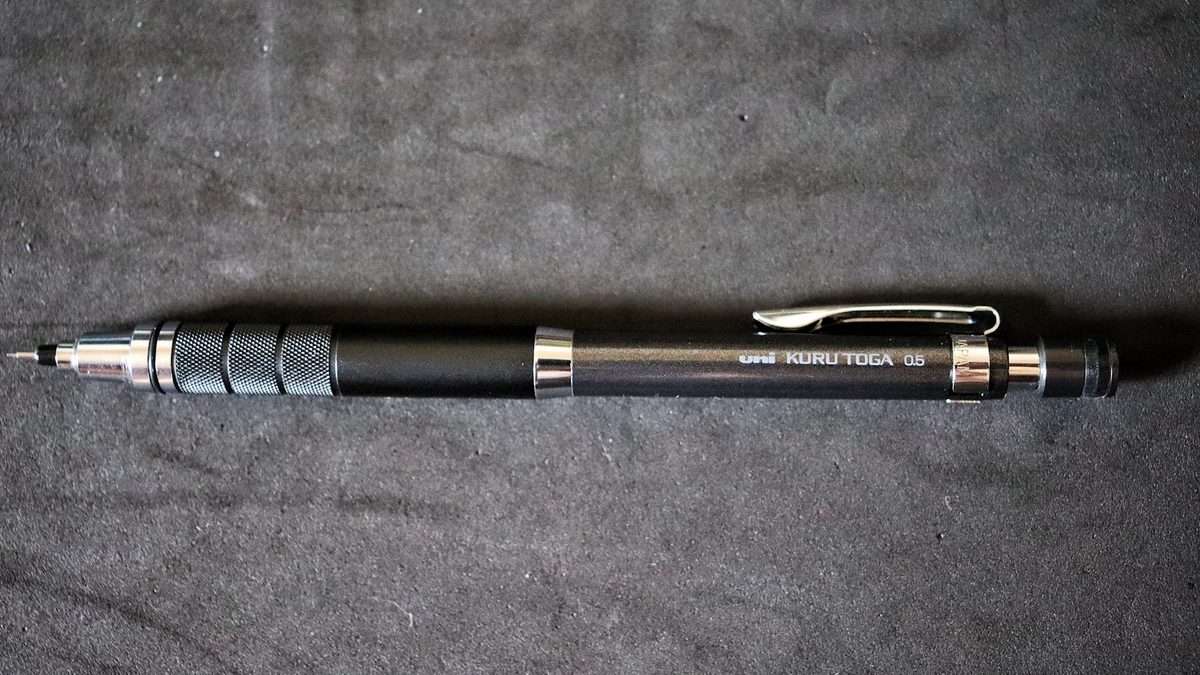
The constant line width is the real argument, and it matters more in some subjects than others.
Maths, diagrams, technical drawing and neat note-taking all benefit from a line that looks the same on the last word as it did on the first. A wooden pencil starts fine and ends broad, which is invisible in prose and obvious in a diagram.
There is no interruption either. No queue at the sharpener, no lost minutes, no wandering across the classroom mid-task.
That adds up. A class of thirty sharpening twice a lesson is a surprising amount of movement and noise, and it is the reason many secondary teachers quietly prefer pupils to use mechanical pencils.
Lead sizes, briefly
| Diameter | Line | Suits | Snaps if |
|---|---|---|---|
| 0.3mm | Very fine | Technical drawing | Any real pressure |
| 0.5mm | Fine | Light-handed writers | Pressed hard |
| 0.7mm | Medium | Most school use | Pressed very hard |
| 0.9mm | Broad | Heavy-handed writers | Rarely |
| 1.3–1.4mm | Wide | Children learning to write | Almost never |
| 2mm | Like a wooden pencil | Clutch pencils, sketching | Almost never |
Swipe the table sideways to see every column.
This is the single most common mistake. A child who presses hard and is handed a 0.5mm pencil will snap lead constantly and conclude that mechanical pencils are rubbish. At 0.9mm the same child has no trouble at all. Manufacturers such as Winsor & Newton publish detailed guidance on grades and diameters.
Why the mechanism jams
Almost every jam has the same two causes, and both are avoidable.
The first is mixing lead sizes. A 0.5mm lead dropped into a 0.7mm pencil rattles around and wedges sideways in the feed. The second is a broken fragment left inside after a snap, which blocks the next lead behind it.
Clearing one usually means pushing the click button fully in while pulling the stub out from the tip. Most jams are five seconds of work once you know that.
The case for wooden
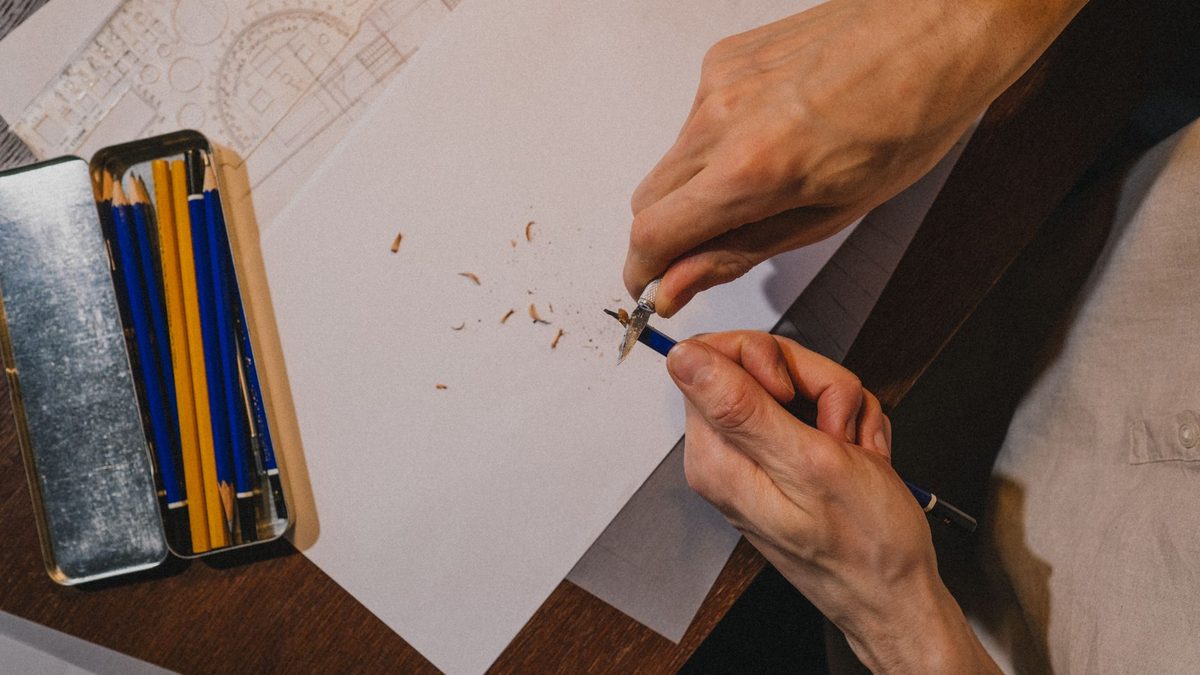
Reliability, mostly. A wooden pencil has no moving parts, so there is nothing to jam, nothing to lose, and nothing to fiddle with instead of working.
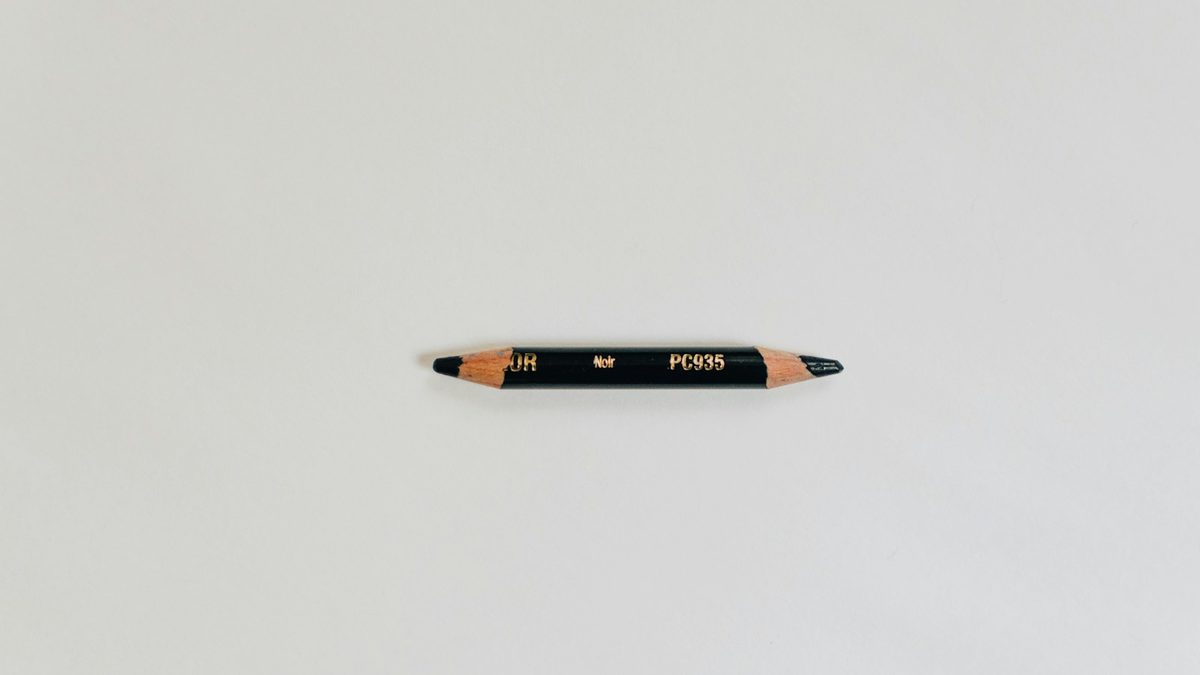
That last point is underrated in a classroom. A mechanical pencil is a small machine, and small machines invite clicking, dismantling and inspection at exactly the wrong moments.
The thicker barrel also suits younger hands, and the grip position is naturally further from the tip, which encourages the finger movement covered in our guide to pencil grip and handwriting.
The exam question
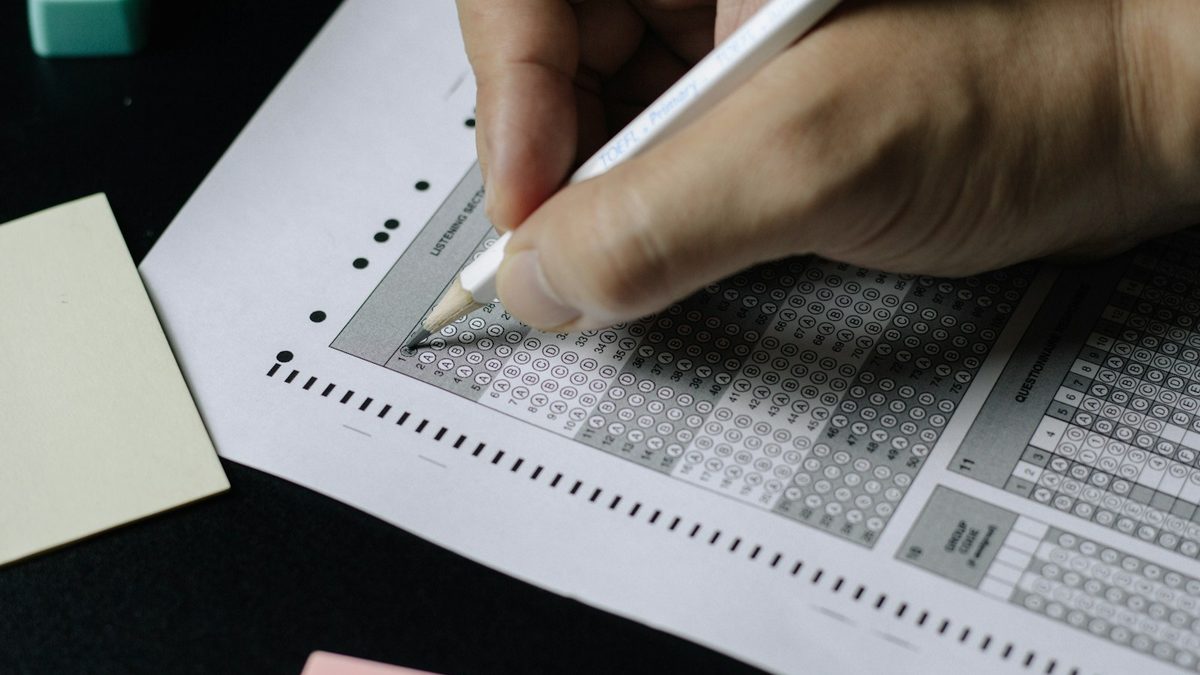
Many standardised tests still specify a wooden No. 2, particularly anything machine-read. Whatever a child uses day to day, they should have practised with what they will be handed on the day.
Pressure is the deciding factor
If you only assess one thing before choosing, assess how hard the child presses.

- Presses very hard. Wooden, or mechanical at 0.9mm and above.
- Light touch. Mechanical at 0.5mm works well and gives neat results.
- Still learning letters. Wooden, thicker barrel, short taper.
- Loses everything. Wooden. Losing a mechanical pencil costs considerably more.
- Fiddles constantly. Wooden, without question.
It is worth checking what the child already owns before buying anything. A jammed pencil sitting unused in a pencil case is a very common and entirely fixable situation.
The practical answer
For most primary-age children a wooden pencil is the better default, with a mechanical one introduced later for maths and diagrams once handwriting is established.
Neither is worth the argument some people give it. Both need to be sharp or the right size, and both fail in predictable ways — the wooden ones for the reasons set out in how pencils are made, and both for the technique reasons in how to sharpen a pencil without breaking the point.
There is one thing a wooden pencil does that a mechanical one cannot, though. It rolls. Which is why a Battle Pencils duel only works with the wooden kind, and why the mechanism-free simplicity of a wooden barrel is still doing useful work long after the writing has stopped.
Frequently asked questions
Are mechanical pencils better than wooden pencils?
Neither is better overall. Mechanical pencils give a constant line width and never need sharpening, which suits maths, diagrams and neat notes. Wooden pencils are cheaper, more reliable, better for younger hands and always accepted in exams.
What size mechanical pencil lead is best for children?
0.7mm suits most school use. Children who press hard do better at 0.9mm or above, while 0.5mm suits a light touch. Very young writers benefit from 1.3mm or 1.4mm, which is thick enough to be nearly unbreakable.
Why does my mechanical pencil lead keep snapping?
Almost always because the lead is too thin for the writing pressure. Someone who presses hard with 0.5mm lead will snap it constantly, while the same person at 0.9mm will rarely break one. Extending too much lead at once also causes it.
Can you use mechanical pencils in exams?
It depends on the exam. Many standardised and machine-read tests specify a wooden No. 2 pencil. Check the requirements in advance, and make sure the child has practised with whatever they will actually be allowed to use.
Which pencil is better for young children learning to write?
A wooden pencil, generally. The thicker barrel suits small hands, there is no mechanism to distract them, and it tolerates the heavy pressure most early writers apply without constantly breaking.
Are mechanical pencils cheaper in the long run?
They can be, since refills cost very little and the body lasts for years. That calculation only holds if the pencil is not lost, which for younger children is a significant assumption.