School Supplies Kids Actually Use (and What Gets Wasted)
Where to spend and where to economise on the school list, what really gets lost, and why buying a full year in August wastes money.
Every August the same thing happens. A long list gets bought in full, and by half-term roughly a third of it is missing, broken, or still sealed in its packaging.
The list is not usually the problem. What gets bought against it is.
School supplies divide fairly cleanly into things used every single day and things used twice a year, and those two groups deserve completely different buying decisions.
Key takeaways
- Buy fewer, better items for the things used daily; buy cheap for things that get lost.
- Assume a replacement round in October — do not buy a year’s supply in August.
- Let children choose the visible items; ownership is what stops things being abandoned.
- The pencil case is used every single day, so it is the wrong place to economise.
- Label everything, but expect to lose things anyway.
Split the list in two
Before buying anything, divide the school list into two columns: things used daily, and things used occasionally or communally.
Daily items justify spending more. Occasional items almost never do.
| Item | How often used | Loss rate | Buy |
|---|---|---|---|
| Pencils | Daily | High | Mid-range, in quantity |
| Pencil case | Daily | Low | The best you can |
| Backpack | Daily | Low | The best you can |
| Eraser, sharpener | Daily | Very high | Cheap, buy several |
| Ruler | Weekly | High | Cheap, expect to replace |
| Glue stick | Weekly | Consumed | Mid-range; cheap ones dry out |
| Colouring pencils | Occasional | Low | Mid-range, they last years |
| Highlighters | Rare in primary | Moderate | Cheapest available |
Swipe the table sideways to see every column.
The pencil case is the exception
It is opened several times a day, dropped, sat on, and carried everywhere. A cheap one splits at the zip within a term and then everything inside it starts migrating around the bag.
This is the one item where spending more reliably pays back, and where a child’s own preference matters most, because they will be looking at it every day.
What actually gets lost
Loss is not random. It follows a pattern, and knowing it changes what you buy.
Nothing labelled is immune, but the pattern is consistent enough to plan around rather than simply accept as bad luck.
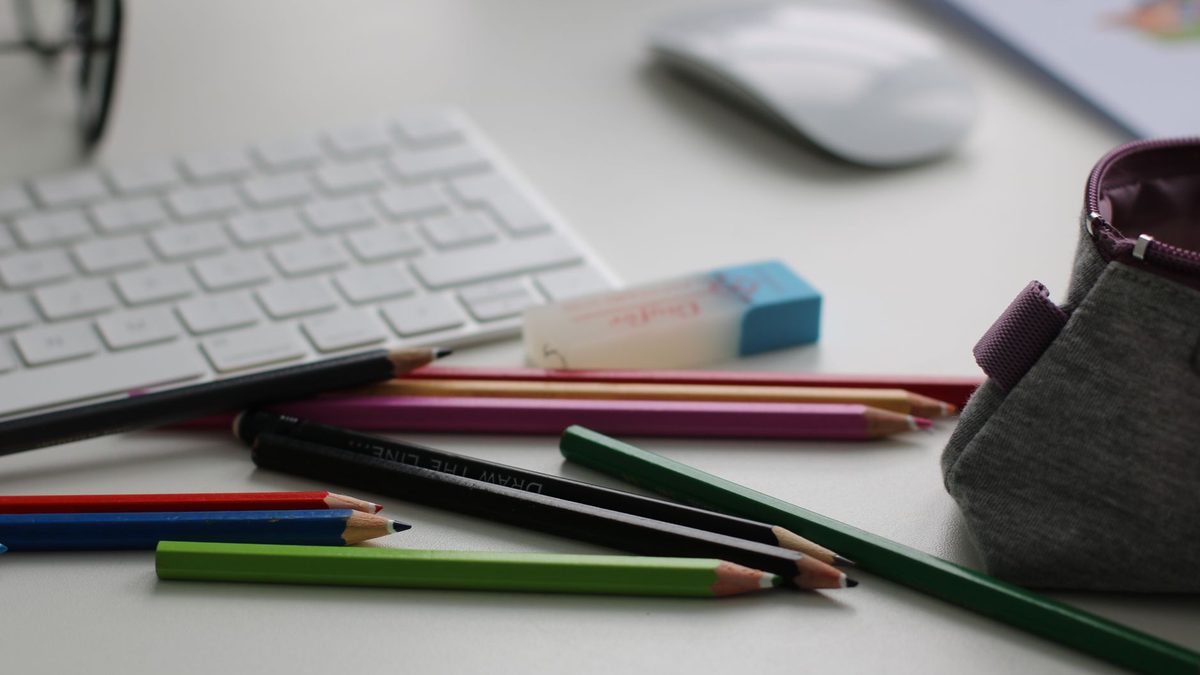
- Small and loose disappears fastest: erasers, sharpeners, individual pencils.
- Communal-looking items get absorbed into the classroom pool.
- Anything borrowed rarely returns, however well labelled.
- Distinctive items come back more often, because other children know whose they are.

That last point is the useful one. A pencil that looks like every other pencil is functionally communal property. A distinctive one gets returned, which is a practical argument for buying pencils children recognise as theirs.
The same logic covers the pencil case, the water bottle and the jumper — the three items most likely to end up in lost property. Distinctiveness is a retrieval strategy, not a vanity purchase.
For a classroom reward system the same durability question appears in a slightly different form — see classroom prize box ideas that are not junk.
Quality where it counts
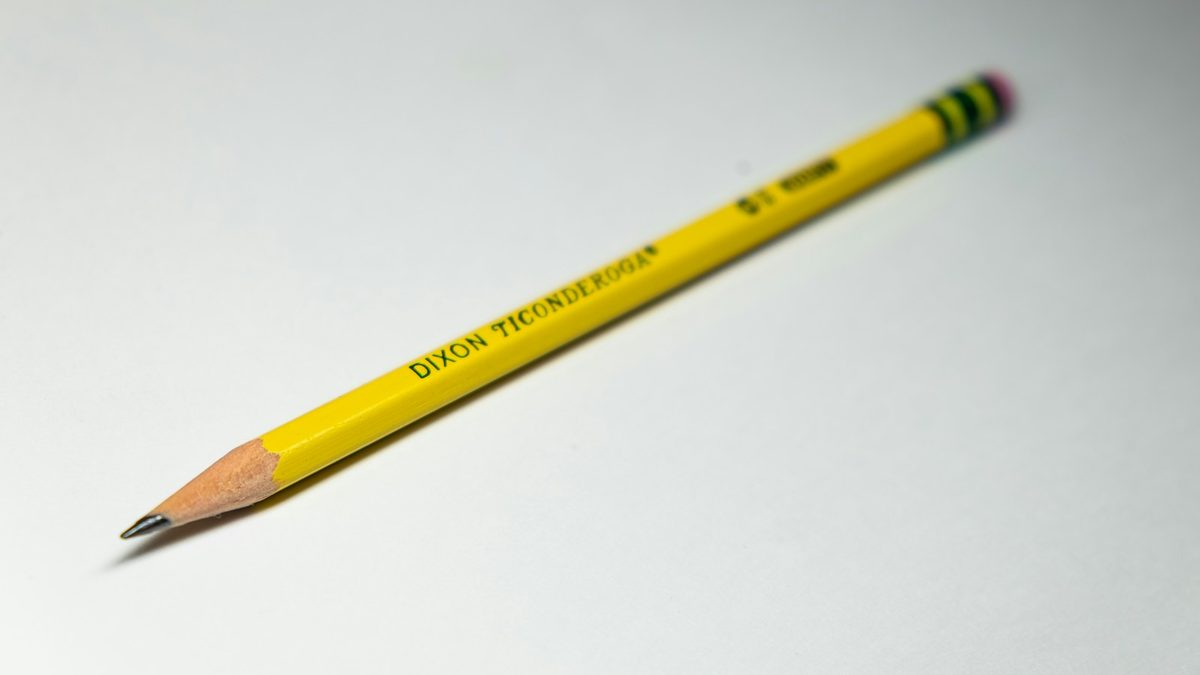
Pencils are bought in bulk and treated as disposable, which is why quality gets ignored. But a pencil that breaks every time it is sharpened wastes lesson time and frustrates the child using it.

The differences are visible before you buy — wood type, how the core is seated, how the shavings come off. Our guide to which novelty pencils survive a school year covers the checks that take about thirty seconds.
Let them choose the visible things
There is a straightforward split that avoids most arguments and most waste.
| Decision | Who chooses | Why |
|---|---|---|
| Backpack and pencil case | The child | Carried daily and highly visible |
| Pencils and pens | The child, within a budget | Ownership makes them less likely to be abandoned |
| Notebook covers | The child | Costs nothing extra |
| Quantity and quality | The adult | They will not weigh durability against price |
| Anything on the required list | The school | It is not negotiable |
Swipe the table sideways to see every column.

Plan for October
Buying a full year’s supply in August is a false economy. Half of it will be lost before it is needed, and you will still be buying replacements.
Buy enough for the first term, then restock once you know what has actually been used, what disappeared, and what the teacher turned out to want.
Autumn restocking is also cheaper. The back-to-school premium has gone by October, and you are buying against real evidence rather than a guess.
Guidance on required lists and school-specific expectations is usually available through your school or its parent association, such as the National Education Association.
The things that get used most
Ask any primary teacher what runs out first and the answer is consistent: pencils, glue sticks and erasers, in that order.
Keep a small reserve at home rather than sending everything in at once. A spare glue stick in a drawer is worth more in November than a fourth one lost in September.
Those three are worth over-buying. Almost everything else on a typical list is worth buying once and replacing only when it fails. And if a pencil happens to be something a child actively wants to keep hold of — because it is part of a set, or because it doubles as a two-player game they can play at their desk — it stops being anonymous, which is the single best defence against losing it.
Frequently asked questions
What school supplies do children actually use?
Pencils, erasers, sharpeners and glue sticks are used most heavily and run out first. Pencil cases and backpacks are used every single day. Highlighters, folders and specialist items on required lists are often barely touched in primary school.
Where is it worth spending more on school supplies?
On items used daily that are rarely lost: the pencil case and the backpack above all. Items that are frequently lost, such as erasers, sharpeners and rulers, should be bought cheaply and in multiples instead.
Should you buy a whole year of supplies in August?
No. Buy enough for the first term and restock in October once you know what has actually been used and what has gone missing. Buying a full year up front means paying for items that are lost long before they are needed.
How do you stop school supplies getting lost?
Label everything, and favour items that look distinctive rather than identical to everyone else’s. Anonymous pencils and erasers are treated as communal property, whereas recognisable ones are far more likely to be returned.
Should children choose their own school supplies?
For the visible items, yes. Letting a child choose their pencil case, backpack and pencils creates ownership, which makes them less likely to be abandoned. Adults should still decide quantity and quality, since children rarely weigh durability against price.
What school supplies run out fastest?
Pencils, glue sticks and erasers, consistently. These three are worth buying in larger quantities than the list suggests, while most other items can be bought once and replaced only when they actually fail.