Classroom Prize Box Ideas That Are Not Junk
Prize box ideas costed properly — why free privileges should carry half the system, and which rewards actually survive past Friday.
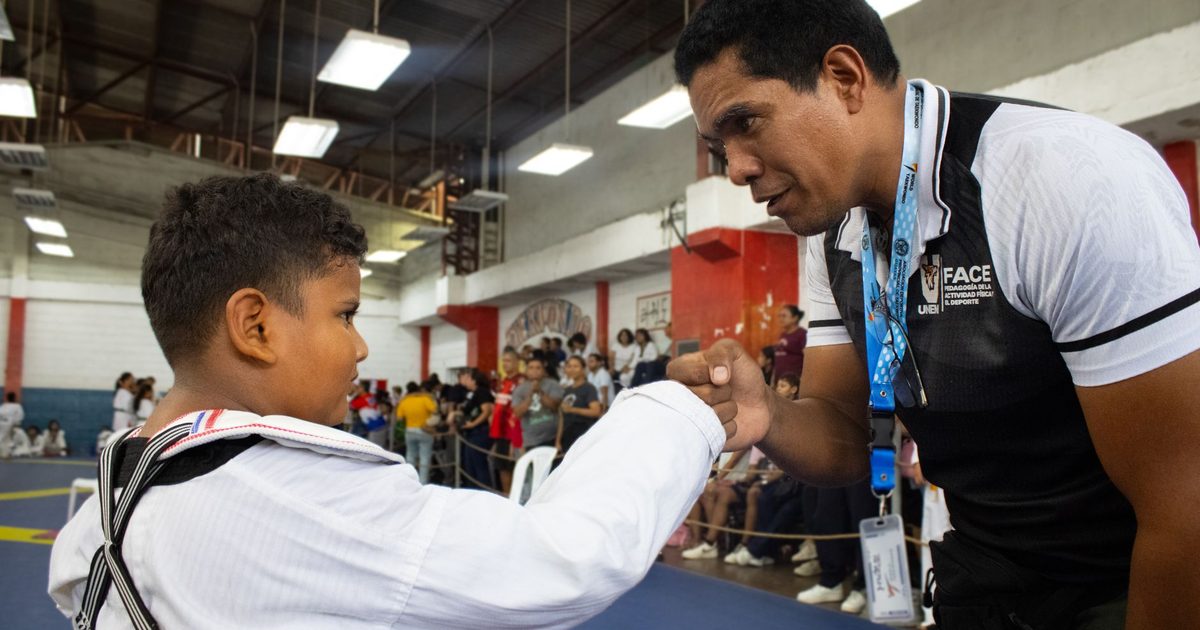
Most prize boxes have the same problem. They cost more than the budget allows, and half of what comes out of them is in a bin by Friday.
The fix is not spending more. It is being deliberate about which rewards are tangible, which are free, and which are simply not worth restocking.
Most classroom prize box ideas published online are really just shopping lists. The useful question is not what to buy but what proportion of your rewards need to be objects at all.
Key takeaways
- Privilege rewards cost nothing and are often valued more highly than objects.
- Budget by cost per pull, not by pack price — a cheap pack that empties in a week is not cheap.
- Prizes children keep and use beat prizes that are exciting for ten minutes.
- Non-food avoids allergy, dietary and fairness problems entirely.
- Rotate stock; the same box in March motivates far less than it did in September.
Start with the free rewards
The most reliable motivators in a primary classroom cost nothing at all, which is counter-intuitive until you watch a child choose “sit in the teacher’s chair” over a toy.
- Lunch with the teacher. Consistently one of the most requested rewards.
- First in line. Especially at home time.
- Teacher’s chair for the day. Costs nothing, valued enormously.
- Choose your seat. Most children pick a friend, which is the whole appeal.
- Be the teacher’s helper. Handing things out is genuinely a prize.
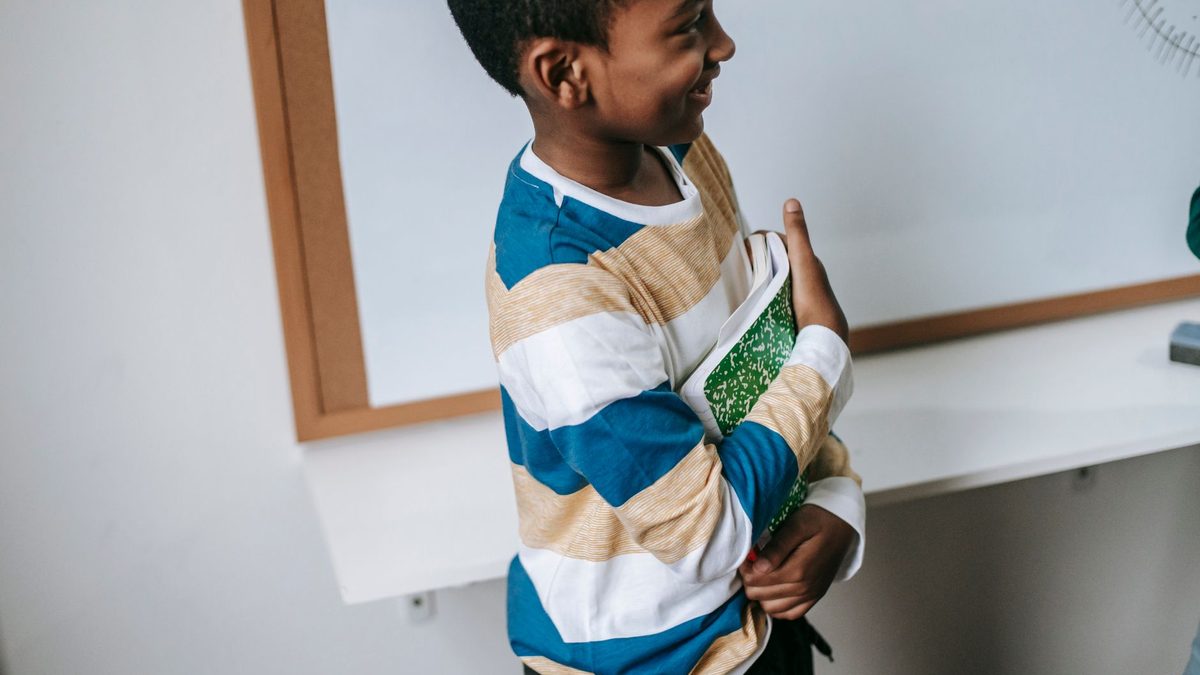
Free rewards should carry roughly half your prize system. They cost nothing, never run out, and cannot be lost on the bus home.
They also scale with the child. A privilege that delights a five-year-old is different from one that appeals at ten, and adjusting costs nothing but a conversation.
The junk problem
Anyone who has restocked a prize box knows the pattern. Bulk bags of small plastic items are cheap per unit, exciting for about a day, and broken or discarded shortly after.
That is not just wasteful; it quietly teaches that the reward is disposable.
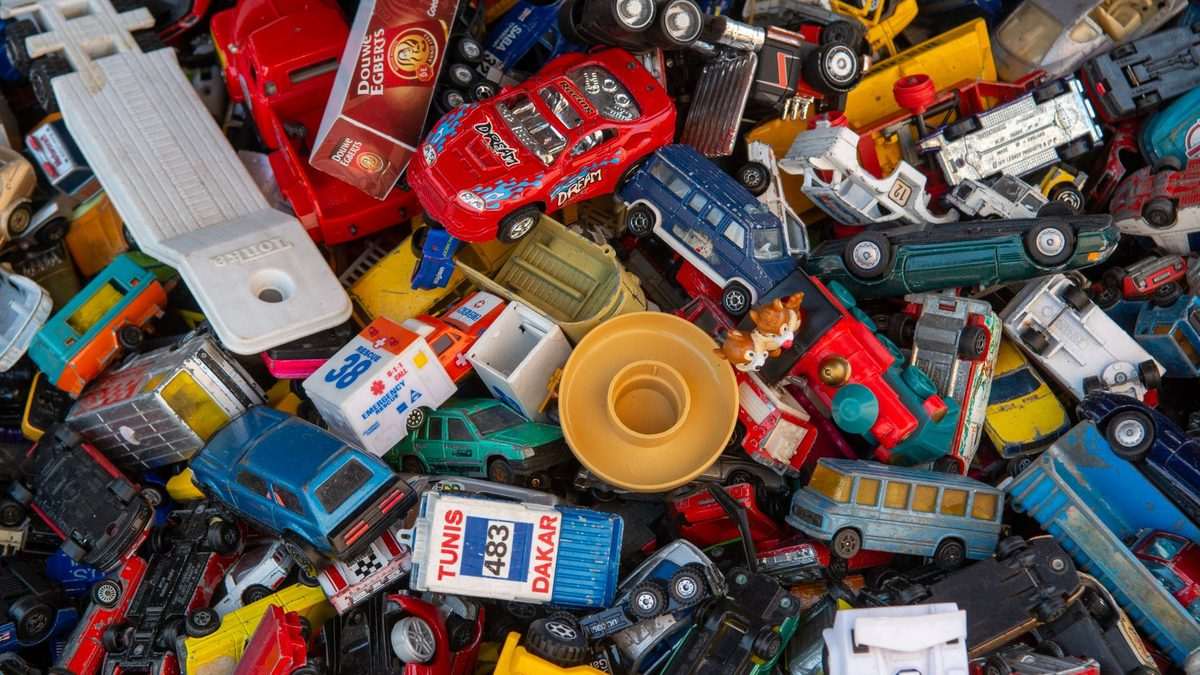
The alternative is not expensive prizes. It is prizes with a use beyond the moment they are handed over.
Comparing what actually goes in the box
| Prize | Rough cost each | Still around in a month | Appeal | Notes |
|---|---|---|---|---|
| Privileges | Free | N/A — nothing to lose | Very high | Carry half the system with these |
| Stickers | Pennies | No | High, ages 5–7 | Drops off sharply after Year 2 |
| Novelty erasers | Low | Sometimes | High | Often collected rather than used |
| Novelty pencils | Low | Yes | High | Get used daily; genuinely functional |
| Bookmarks | Pennies | Sometimes | Moderate | Pairs well with reading targets |
| Small plastic toys | Low | Rarely | Brief | The classic junk-box filler |
| Bubbles, putty | Medium | No | High | Messy; check your policy first |
| Books | Higher | Yes | Varies | Best as an end-of-term prize |
Swipe the table sideways to see every column.
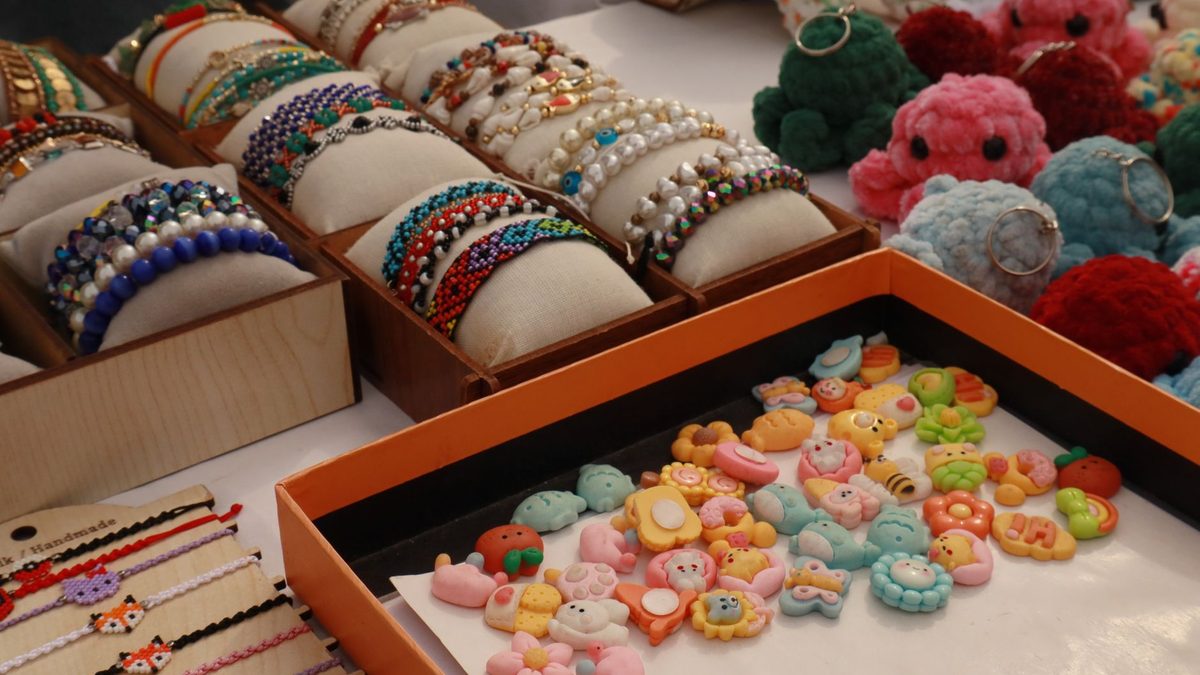
Budget by cost per pull
Pack price is misleading. What matters is what a term costs you.
Work out roughly how many prizes get drawn a week, multiply by the weeks in the term, and divide your budget by that. In most classrooms the honest figure lands somewhere very low, which is exactly why free rewards matter.

| Step | What to work out | Typical answer |
|---|---|---|
| 1 | Prizes drawn per week | 5–10 in a class of 30 |
| 2 | Weeks in the term | 12–14 |
| 3 | Total pulls per term | 60–140 |
| 4 | Share that can be free privileges | About half |
| 5 | Tangible prizes actually needed | 30–70 |
Swipe the table sideways to see every column.
Halving the tangible count is the single biggest saving available, and it costs nothing in motivation. Most teachers who try it report no drop in enthusiasm at all.
Where stationery earns its place
Stationery is the one category that reliably survives the walk home, because it goes straight back into the pencil case and gets used the next morning.
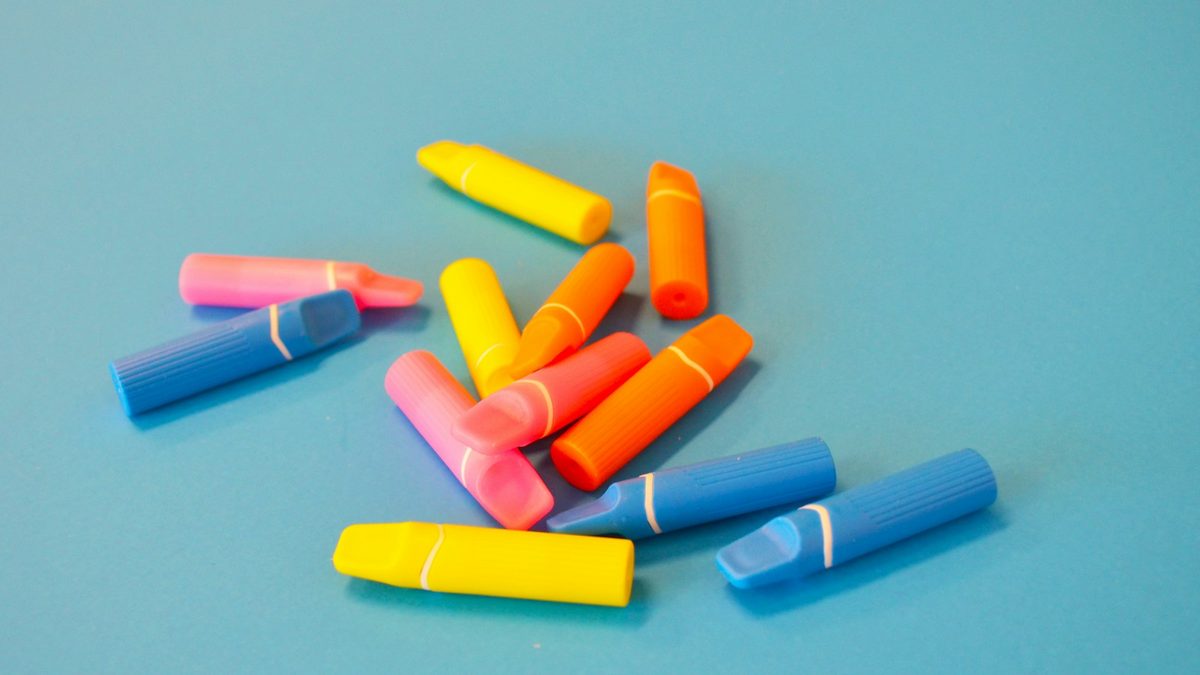
Novelty pencils in particular do double duty: a prize on Friday and a working pencil on Monday. If some of them are also collectible, the reward keeps working long after it is handed over — that is the idea behind collectible pencil characters with different playstyles, where a pencil is both stationery and a game piece.
The practical test for any stationery prize is simple: will it still sharpen properly in three weeks? Our guide to which novelty pencils survive a school year covers what to look for.
Keeping the box motivating
- Rotate stock. The same contents in March motivate far less than in September. Hold some items back.
- Add a rare tier. One or two harder-to-get prizes make the ordinary ones feel earned.
- Let parents donate. Many are glad to pass on unused items, which fills the box for nothing.
- Ask the class. A two-minute vote on what goes in tells you more than any list online.
For the reward that costs nothing at all, a few minutes of a chosen game works well — see quiet classroom games that need almost no setup. Approaches to non-material rewards are covered in depth by teaching-practice publishers such as ASCD.
Frequently asked questions
What should you put in a classroom prize box?
A mix of free privileges and durable small items works best. Privileges such as lunch with the teacher or choosing a seat cost nothing and are highly valued, while stationery like novelty pencils, erasers and bookmarks lasts far longer than small plastic toys.
What are good non-food classroom rewards?
Privileges, stationery, bookmarks, stickers and extra choice time are all effective non-food options. Avoiding food removes allergy, dietary and religious complications entirely, and privilege rewards in particular are consistently popular with primary-age children.
How much does a classroom prize box cost to run?
Budget by cost per pull rather than pack price. A class of thirty typically draws five to ten prizes a week, so a term needs roughly 60 to 140 prizes. Making about half of them free privileges usually halves the actual spend.
Are prize boxes actually effective?
They work best as an occasional reward rather than the main motivator, and they lose effect if the contents never change. Rotating stock, adding a rare tier and mixing in free privileges keeps the system motivating across a full year.
How do you restock a prize box cheaply?
Lean on free privilege rewards for around half of all draws, invite parents to donate unused items, and buy durable stationery rather than bulk plastic toys. Items that get used daily deliver far more value per penny than items discarded within a week.
What prizes do children actually want?
Ask them. A short class vote is more reliable than any list, and the answers are often surprising — privileges such as sitting in the teacher’s chair or being first in line frequently beat physical prizes outright.