Pencil Facts for Kids (With the Myths Separated Out)
Why there's no lead in a pencil, why they're hexagonal, and which popular pencil facts don't survive checking.
The pencil is the most ordinary object in any school bag, and almost everything people believe about it is slightly wrong.
These are the pencil facts that actually hold up, with the myths separated out, because a surprising number of the popular ones do not survive checking.
Key takeaways
- There has never been lead in a pencil. It is graphite mixed with clay.
- The name comes from a sixteenth-century misidentification of a graphite deposit in England.
- Pencils are hexagonal so they do not roll off desks — and because it wastes less wood.
- A pencil writes underwater and upside down, which pens generally cannot.
- The famous “NASA spent millions on a space pen” story is not true.
There is no lead in a pencil
This is the big one, and the name is entirely to blame.
In the 1560s a large deposit of an unusually pure black mineral was found at Borrowdale in Cumbria. It marked paper beautifully, and people assumed it was a form of lead, calling it plumbago — “lead ore”.
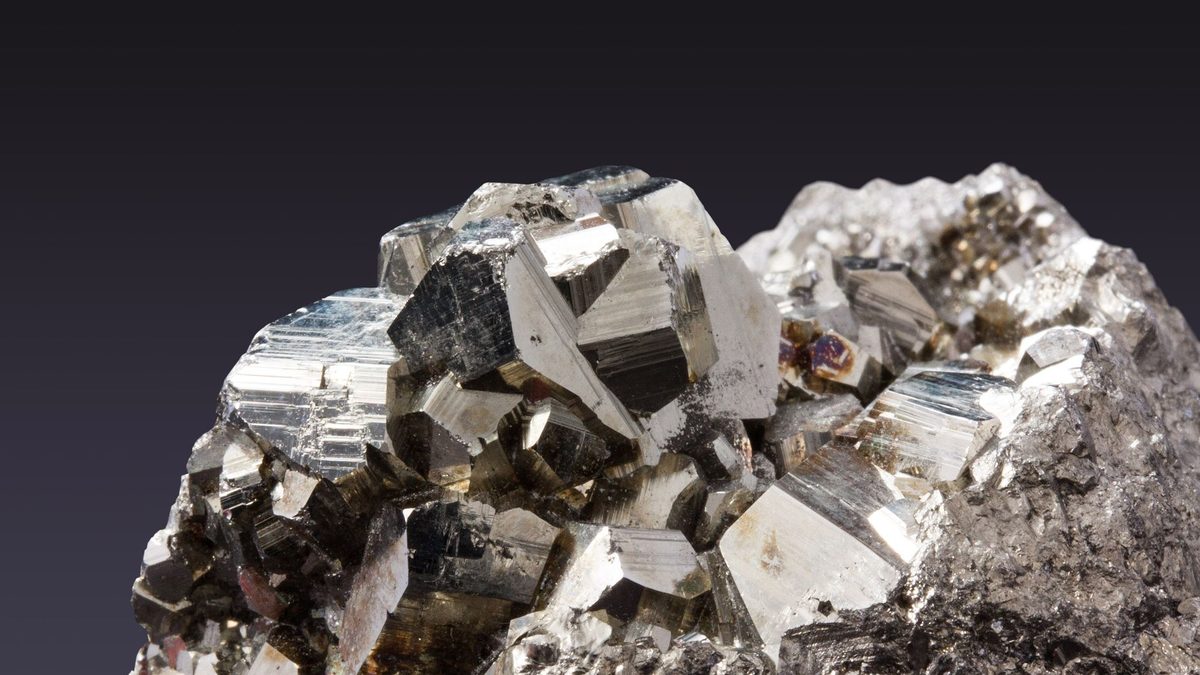
It was graphite: pure carbon, arranged in flat sheets that slide apart under almost no pressure. That sliding is why it leaves a mark. The name stuck anyway, and we still call it lead five centuries later.
The Borrowdale deposit was extraordinary because the graphite was solid and pure enough to be sawn into sticks directly. Nothing else like it has been found since, and the mineral itself is described by the British Geological Survey.
It was valuable enough to be guarded. The mine was flooded between working seasons and the graphite escorted under armed guard, because it was also used to line cannonball moulds.
Why pencils are hexagonal
Two reasons, and both are practical rather than aesthetic.
A round pencil rolls off any surface with the slightest slope. A hexagonal one stops almost immediately, which over a school year saves a great many interruptions.
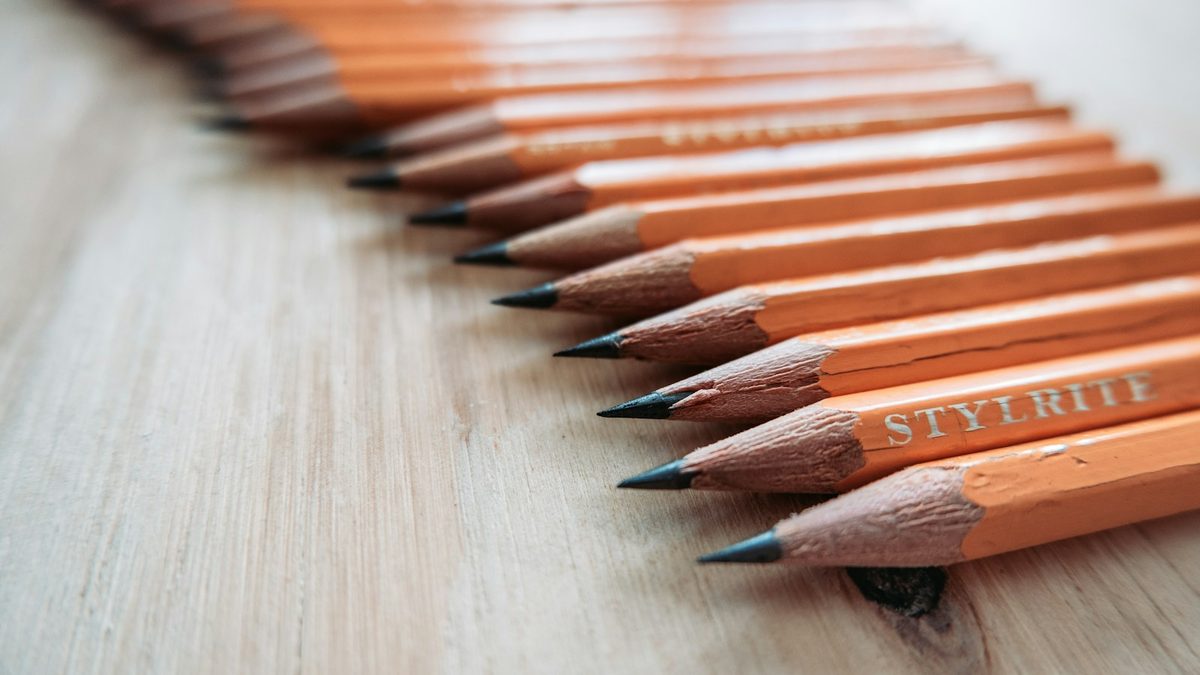
The second reason is manufacturing. Hexagons tessellate, so more pencils can be cut from the same slat of wood with less waste. Round pencils leave gaps between them.
Colouring pencils are more often round, because they are held differently and rarely left on sloping desks.
Carpenter’s pencils take the idea further still. They are flat and oval, which stops them rolling off a roof or a scaffold board, and lets the wide core mark a straight line against a timber edge.
Facts that hold up
| Claim | Verdict | Detail |
|---|---|---|
| Pencils contain no lead | True | Graphite and clay, fired in a kiln |
| Pencils write underwater | True | Graphite does not rely on flowing ink |
| Pencils write upside down | True | No gravity-fed reservoir to fail |
| HB means “hard black” | True | H for hardness, B for blackness |
| No. 2 equals HB | True | American and European scales overlap |
| Yellow signalled quality | True | Marketing tied to Chinese graphite |
| Pencil lead is poisonous | False | Graphite is carbon and non-toxic |
| NASA spent millions on a space pen | False | Developed privately, sold to both agencies |
Swipe the table sideways to see every column.
Why pencils work where pens fail
A pen needs ink to flow, which means it needs gravity, capillary action or pressure. A pencil needs none of those.
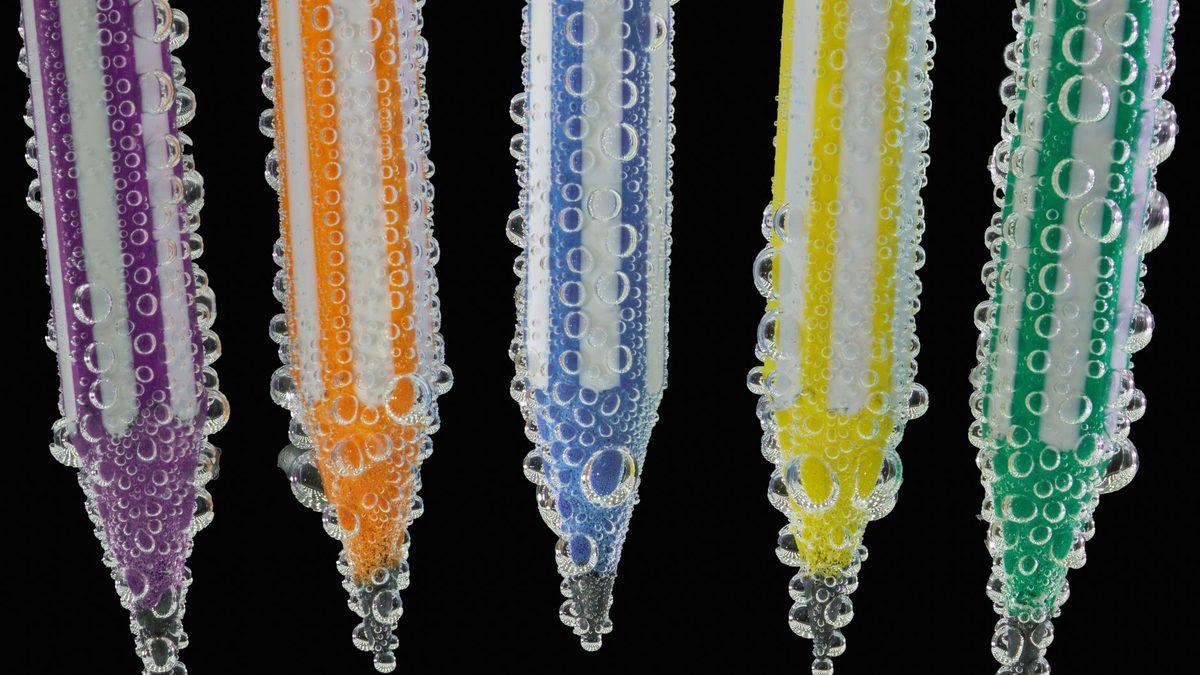
Graphite marks by physical contact: layers of carbon shear off and catch on the paper’s texture. That works underwater, upside down, in freezing cold and in a vacuum.
About that space pen story. The popular version — NASA spent millions developing a pressurised pen while the Soviets simply used pencils — is false. Both agencies used pencils early on and both had concerns about them, since graphite dust and wood shavings are conductive and flammable in a pure-oxygen capsule. The pressurised pen was developed privately at the inventor’s own expense and later sold to both space programmes.
How far does one pencil write?
The number you will see quoted is around 35 miles, or roughly 45,000 words.
Treat it as an illustration rather than a measurement. It depends entirely on grade, pressure, paper and how much of the pencil is lost to sharpening — and, as our guide to sharpening without breaking the point notes, over-sharpening wastes a great deal.
The eraser came surprisingly late
For roughly two hundred years, pencil marks were removed with bread. Rolled-up soft breadcrumb was the standard tool, and artists used it well into the eighteenth century.
Natural rubber replaced it once someone noticed it lifted pencil marks — which is where the word “rubber” comes from, because it rubbed things out. How that actually works is covered in how erasers work.
The rubber tree connection is worth noting too. Natural rubber arrived in Europe from South America in the eighteenth century, and erasing pencil marks was among the first uses anyone found for it.
A few more worth knowing
- Graphite and diamond are both pure carbon. Only the arrangement of atoms differs.
- Pencils are graded on two scales. H-and-B in Europe, numbers in America.
- The ferrule is the metal bit. Almost nobody knows the word.
- Chewing a pencil is not dangerous because of the graphite, though the paint on very old or unregulated pencils is a separate question.
What makes the pencil genuinely remarkable is how little it has changed. The grooved-slat construction described in how pencils are made is essentially the same process used in the nineteenth century, and a pencil made today would be entirely familiar to someone from 1850.
Frequently asked questions
Is there lead in pencils?
No, and there never has been. Pencil cores are graphite mixed with clay. The name comes from a 1560s discovery of graphite at Borrowdale in England, which was mistakenly believed to be a form of lead and called plumbago.
Why are pencils hexagonal?
Two reasons. A six-sided barrel does not roll off a sloping desk, and hexagons tessellate, so more pencils can be cut from a single slat of wood with less waste than round ones.
Can pencils write underwater and in space?
Yes. Graphite marks by physical contact rather than flowing ink, so it works underwater, upside down and in a vacuum. The popular story about NASA spending millions on a space pen while the Soviets used pencils is not true.
How much can one pencil write?
The commonly quoted figure is about 35 miles of line or roughly 45,000 words. Treat it as an illustration rather than a measurement, since it depends on grade, pressure, paper and how much is lost to sharpening.
Is pencil lead poisonous if you chew a pencil?
The core is graphite, which is a form of carbon and non-toxic. Chewing pencils is a habit worth discouraging for other reasons, and paint on very old or unregulated pencils is a separate concern from the core itself.
What did people use before erasers?
Bread. Rolled-up soft breadcrumb was the standard way to remove pencil marks for around two hundred years, and artists used it well into the eighteenth century before natural rubber replaced it.