Substitute Teacher Activities That Work With Any Class
No-prep activities for covering an unfamiliar class, what to carry, and how to manage behaviour with no relationship to draw on.
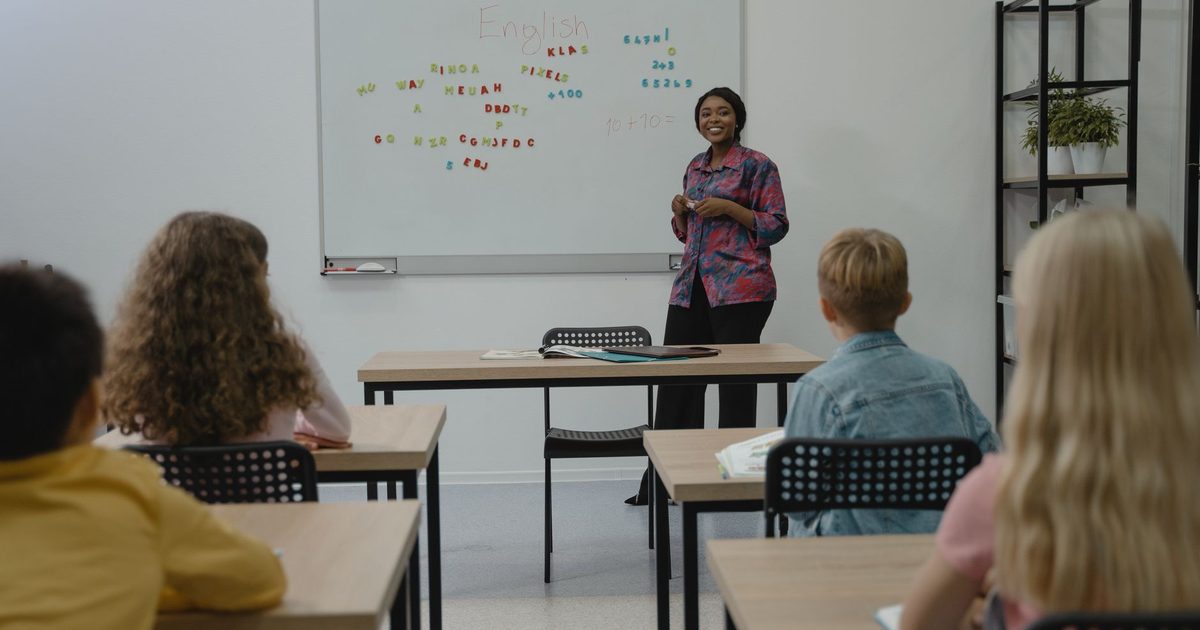
Covering a class you have never met is a genuinely difficult job, and it is difficult in a specific way: you have no relationship, no history, and often no plan.
Substitute teacher activities therefore need to work under conditions no regular teacher faces — unknown names, unknown ability range, unknown routines, and thirty children who have already worked out that today is different.
Key takeaways
- Carry a portable bank of no-prep activities. The set plan may be missing, wrong or already finished.
- Names matter more than anything else. Being able to address a child individually changes the whole day.
- Ask the class what the routine is — they will tell you, and mostly honestly.
- Pick activities that stop cleanly, because you cannot predict the timetable.
- Leave a written handover. It is the thing regular staff most consistently appreciate.
The first ten minutes
The tone of the whole day is usually set before the first activity begins.

- Write your name on the board before they arrive. It removes the first question.
- Find the seating plan. If none exists, make one in the first five minutes.
- Ask them the routine. “What do you normally do first?” gets an honest answer more often than not.
- State the plan for the session, even loosely. Uncertainty is what produces testing behaviour.
The third point is the one substitutes most often skip, usually out of a worry about appearing unprepared. In practice children respond well to being asked, and the class as a whole will correct anyone who invents a routine that does not exist.
Names

Being able to say “Amir, could you pass those back” rather than “you, at the front” is the single largest difference between a controlled day and a difficult one.
If there is no seating plan, make folded name cards in the first two minutes. It looks like an administrative task and functions as a behaviour strategy.
Activities that survive an unknown class
The requirement is unusual: no preparation, no resources you did not bring, works across a wide ability range, and can stop at any moment.
| Activity | Prep | Ages | Stops cleanly | Noise |
|---|---|---|---|---|
| Twenty Questions | None | 6–13 | Instantly | Low |
| Would You Rather | None | 7–14 | Instantly | Medium |
| Paired paper games | Paper only | 6–13 | Instantly | Very low |
| Story chain, written | Paper only | 8–14 | Yes | Very low |
| Class quiz you invent | None | 8–14 | Yes | Medium |
| Silent line drawing | Paper only | 5–11 | Yes | Silent |
| Anything with equipment | High | — | No | Variable |
Swipe the table sideways to see every column.

Paired activities are particularly valuable, because they occupy the class without requiring you to hold thirty children’s attention simultaneously — which is hard when nobody knows you. The options in two-player pencil and paper games all run on a single sheet, and a round of a duel decided by one roll takes seconds and needs nothing handed out.
Ability range
You will not know who finds the work easy and who cannot access it, and the set plan rarely says. Activities with no floor and no ceiling handle this best: an open question has an answer at every level, whereas a worksheet has exactly one.
If written work is set, having something extra ready avoids the situation where a third of the class finishes in eight minutes and the rest are still on question two.
What to carry
A small, permanent kit removes most of the difficulty.
- A pack of blank paper. Enables half the activities above.
- Spare pencils. There will not be enough, and it prevents a lesson-long negotiation.
- A short quiz covering general knowledge, in your bag permanently.
- Three puzzles photocopied and reused indefinitely.
- A timer. Not your phone.
The spare pencils matter more than they sound. A child without a pencil is a child with a legitimate reason not to work, and resolving it consumes minutes you do not have.
Filling the awkward ten minutes

The set work runs out with ten minutes left, and this is where a covered lesson most often falls apart.
Have two fillers ready that need nothing: a class quiz you invent on the spot, or a round of a paired game. Announcing a plan for those ten minutes is what prevents them becoming unstructured.
Transitions are the other risk point, and the countdown approach in classroom transitions works even without an established relationship, because it is information rather than authority.
Behaviour without history

A regular teacher has months of accumulated relationship to draw on. A substitute has none, which means clarity has to do the work that familiarity normally does.
- State expectations once, plainly, at the start rather than after the first incident.
- Use the school’s own system. Ask what it is; do not invent one.
- Address behaviour quietly and individually. Public confrontation with a class you do not know rarely ends well.
- Do not threaten what you cannot follow through. You are gone tomorrow and they know it.
Leave a handover
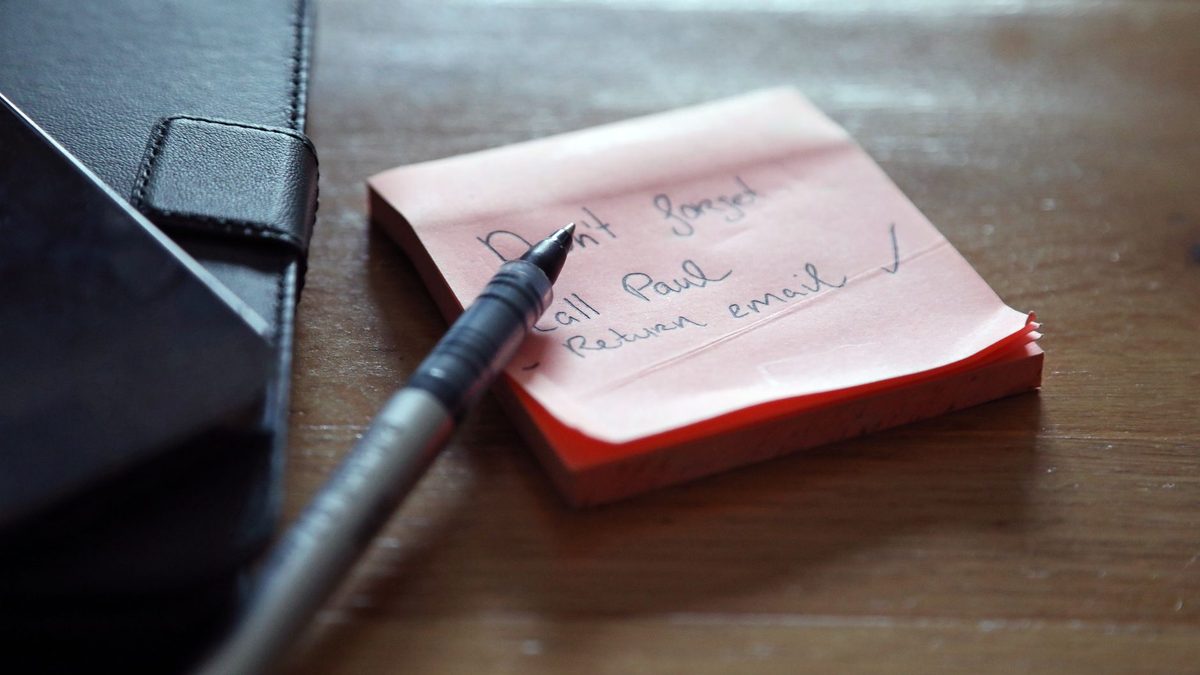
Five minutes at the end, covering what was completed, what was not, who was particularly helpful and any incident worth knowing about.
It is consistently the thing regular staff most appreciate, and the thing most substitutes skip. Professional resources for supply and cover teaching are published by education networks such as the Tes teaching community.
Name at least one child positively. Returning teachers read those notes, and so, sometimes, do the children.
Frequently asked questions
What activities work best for a substitute teacher?
Anything needing no preparation, no resources beyond paper, and able to stop at any moment. Twenty Questions, Would You Rather, paired paper games, a written story chain and an invented class quiz all meet those conditions.
What should a substitute teacher do in the first ten minutes?
Write your name on the board, find or create a seating plan, ask the class what they normally do first, and state the plan for the session. Uncertainty about what is happening is what produces testing behaviour.
How do you manage behaviour in a class you do not know?
Rely on clarity rather than relationship. State expectations plainly at the start, use the school’s own behaviour system rather than inventing one, address individuals quietly rather than publicly, and never threaten a consequence you cannot deliver.
What should a substitute teacher carry?
Blank paper, spare pencils, a general knowledge quiz, a few reusable puzzles and a timer. Spare pencils matter disproportionately, since a child without one has a legitimate reason not to work.
How do you fill time if the work runs out early?
Keep two fillers ready that need nothing at all: a quiz you invent on the spot, or a round of a paired game. Announcing a plan for the remaining minutes is what stops them becoming unstructured.
Should a substitute teacher leave notes for the regular teacher?
Yes, and it takes about five minutes. Cover what was completed, what was not, anything worth knowing about, and name at least one child positively. It is the thing regular staff most consistently appreciate.