Spelling Games That Beat Copying Words Out
Why copying spellings does almost nothing, and the games that force real retrieval without feeling like a test.
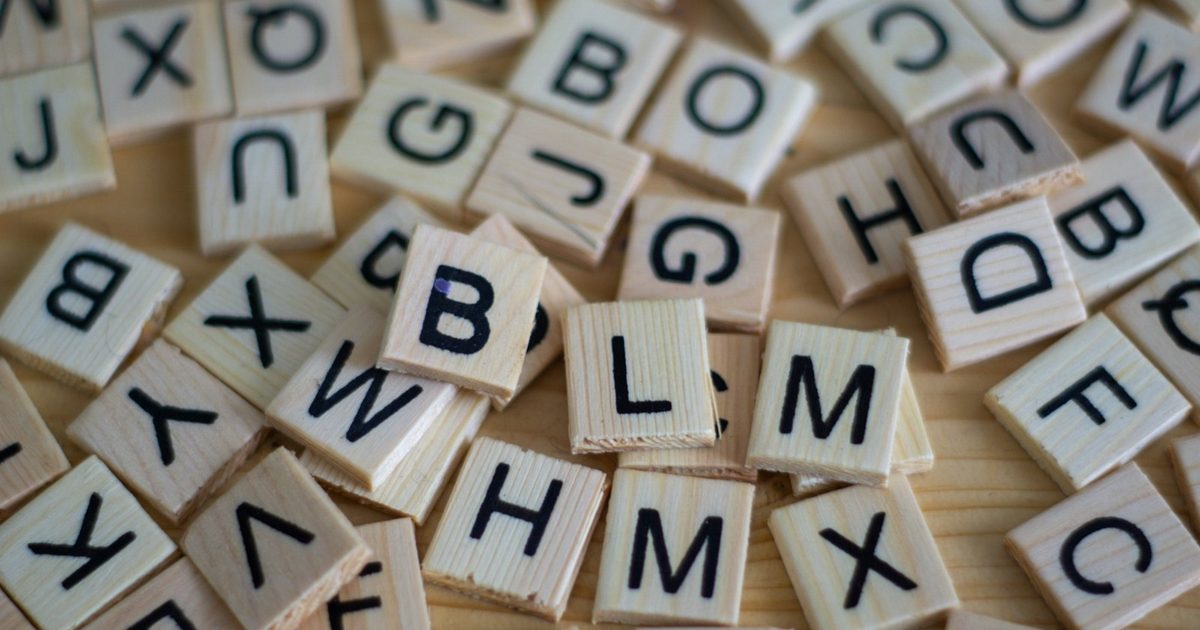
Spelling is the school subject most reliably turned into a chore. A list on Monday, a test on Friday, and very little in between except copying words out three times each.
That method does produce Friday results. It produces remarkably little that survives to the following month, because copying is a hand exercise rather than a memory one.
Key takeaways
- Copying words out repeatedly is the least effective common method, despite being the most used.
- What works is retrieval: attempting the word from memory, then checking.
- Spacing beats volume — five minutes on four days beats twenty minutes once.
- Say the word, write the word, check the word. The checking is the learning.
- Games work because they force retrieval without it feeling like testing.
Why copying does not work
When a child copies a word with the model in front of them, they are transcribing shapes. The memory system barely engages, because nothing is being recalled.

Cover the word and the task changes completely. Now they must retrieve it, which is effortful, occasionally wrong, and considerably more durable.
This is why the traditional Look, Cover, Write, Check routine has survived. Its unglamorous middle step is the entire mechanism.
Recognition is not recall
Reading a spelling list over feels productive because each word looks familiar. Familiarity is recognition, and recognition is a much weaker signal than being able to produce the word unaided.
This is why children often insist they know the words and then miss half the test. They were not lying; they were measuring the wrong thing.
Games that force retrieval
Letter tile speed
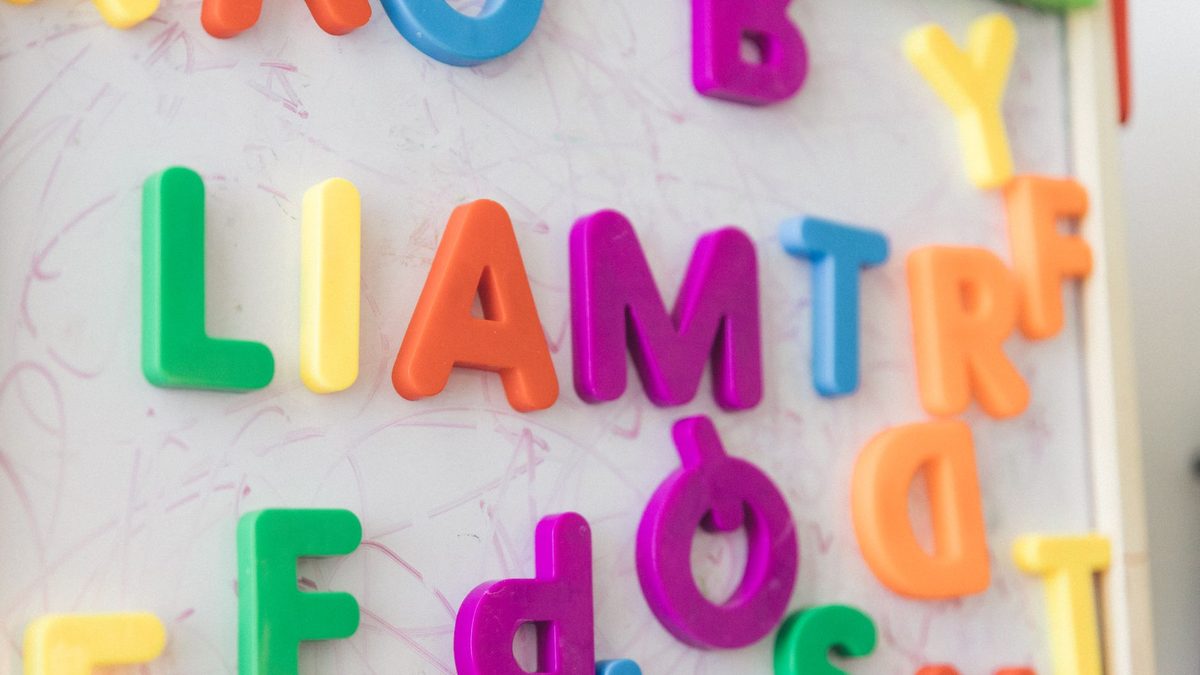
Spread magnetic or tile letters on a table. Call a word; they build it. The physical manipulation slows things down enough for the spelling to register.
Word ladders
Change one letter at a time to get from one word to another: cat, cot, cog, dog. It teaches letter patterns rather than individual words, which generalises far better.
Spelling Bee, played properly
The competitive version is stressful and only benefits whoever is already good. Played as a team game where the group collectively spells a word aloud, one letter each, it becomes cooperative and considerably more useful.
Hangman with a purpose
Use the week’s actual spelling list rather than random words. It turns a familiar game into targeted retrieval practice without announcing itself as such — the same principle behind the games in two-player pencil and paper games.
Comparing the methods
| Method | Retrieval involved | Effort | Durability |
|---|---|---|---|
| Copying three times | None | Low | Poor |
| Look, Cover, Write, Check | Yes | Moderate | Good |
| Letter tiles | Yes | Moderate | Good |
| Word ladders | Pattern-level | Moderate | Very good |
| Spelling aloud | Yes | Moderate | Good |
| Writing in sentences | Yes, in context | High | Very good |
| Reading the list over | None | Very low | Very poor |
Swipe the table sideways to see every column.
The top and bottom rows are the two most common approaches in most households, and they are the two weakest on the list.
Rainbow writing and similar
Writing each word repeatedly in different colours is popular and is still copying. The colours add novelty rather than difficulty, and the word stays visible throughout.
It can be salvaged easily: cover the word first, write it from memory in one colour, check it, then repeat in a second colour on the next attempt.
Spacing beats cramming
Twenty minutes on Thursday night is the standard pattern and close to the worst available use of the same time.
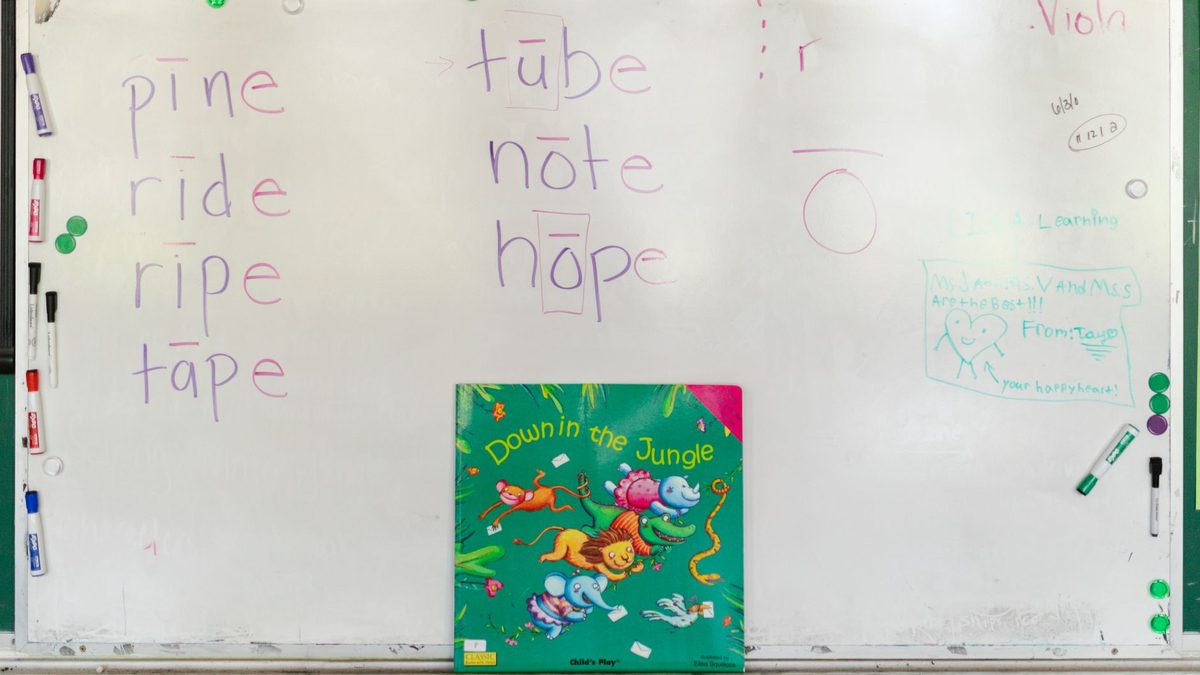
Five minutes on four separate days produces substantially better retention than one long session, because each gap forces genuine retrieval rather than mere recognition.
It is also easier to sustain. Nobody argues about five minutes.
Say it, write it, check it
Spelling aloud engages a different route than writing does, and children who struggle with one often manage the other.
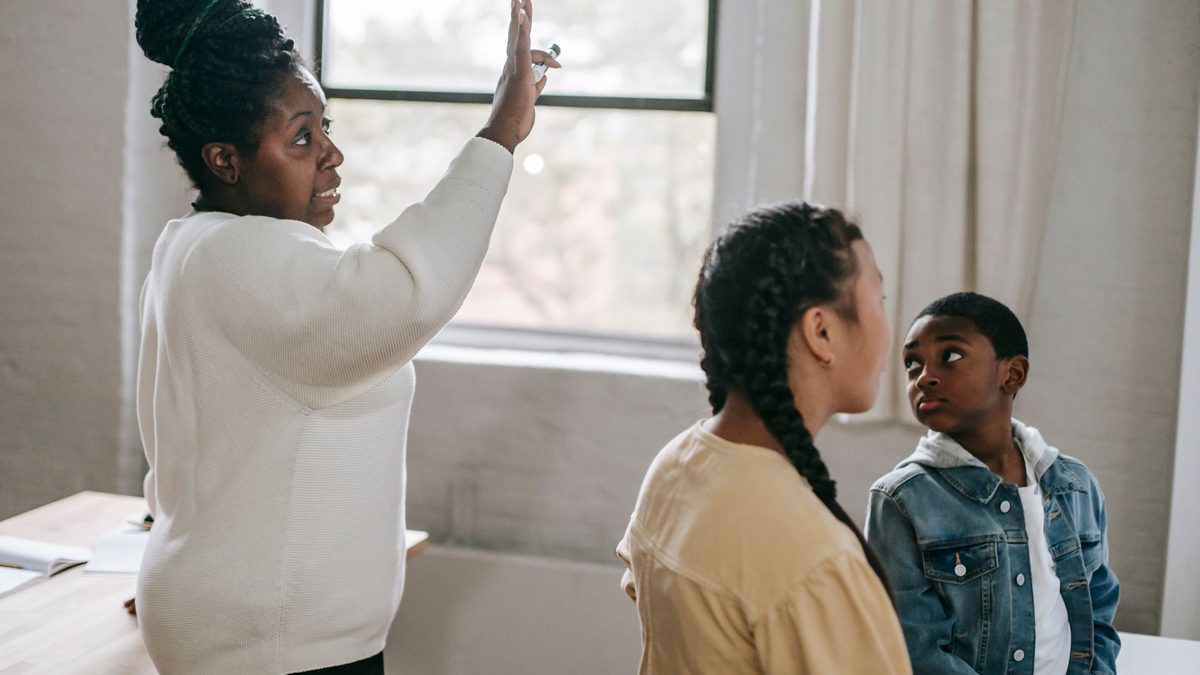
The checking step is where the learning consolidates, and it is the step most commonly skipped. A word attempted and then verified is remembered far better than a word attempted and left uncorrected.
Let them mark their own attempt. Finding your own error is more memorable than having it pointed out.
Tests and anxiety

For a proportion of children the weekly test is genuinely stressful, and stress interferes with retrieval specifically — which means the test measures composure as much as spelling.
Low-stakes practice testing at home helps, precisely because it separates the retrieval practice from the performance. Guidance on literacy development is published by the National Literacy Trust.
Spelling outside the list
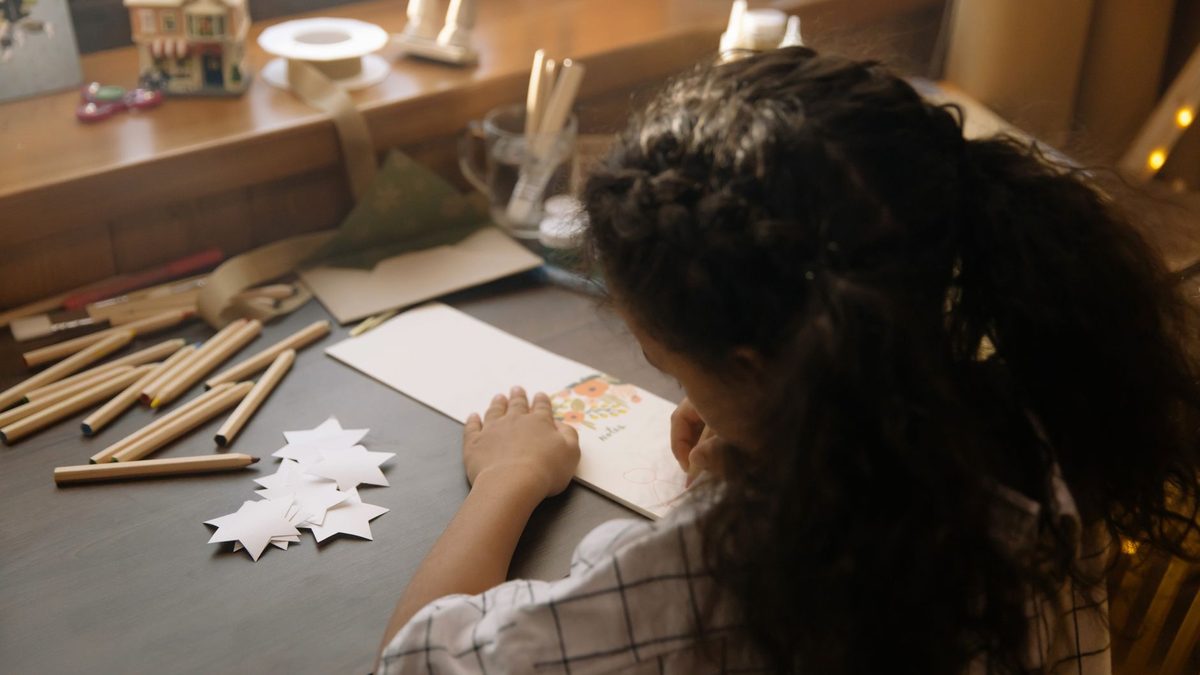
The most durable spelling practice is writing something a child actually wants to write: a note, a comic, a list, a letter to a relative.
Words used for a real purpose are retained far better than words rehearsed in isolation, and the child is doing volume they would refuse if it were labelled practice. Ideas for that kind of writing sit alongside the activities in rainy day activities at home.
What to avoid
- Correcting every error in free writing. It teaches that writing invites criticism.
- Long single sessions. Spacing beats duration every time.
- Reading the list over. Recognition is not recall, and it feels like progress.
- Ten words at once for a struggling speller. Four learned beats ten half-known.
And keep the sessions short enough that they end before anyone is tired — the same logic as the two-minute resets in no-prep classroom brain breaks.
Frequently asked questions
What is the best way to practise spelling?
Retrieval practice: look at the word, cover it, attempt it from memory, then check. The covering step is what makes it work, because recalling a word engages memory in a way that copying it with the model visible does not.
Why does copying spellings out not work?
Because with the word visible the child is transcribing shapes rather than recalling anything. It produces results on Friday’s test and very little that survives to the following month, since almost no memory work took place.
How long should spelling practice take?
About five minutes, four times across the week, rather than twenty minutes the night before. Spacing forces genuine retrieval at each session, and short sessions are far easier to sustain without argument.
What are good spelling games for children?
Building words from letter tiles, word ladders that change one letter at a time, team spelling bees where a group spells aloud one letter each, and Hangman using the week’s actual spelling list rather than random words.
Should you correct every spelling mistake?
Not in free writing. Correcting everything teaches that writing invites criticism, and children write less as a result. Targeted practice on a few words is more effective than blanket correction of everything they produce.
How do you help a child anxious about spelling tests?
Practise with low-stakes testing at home so retrieval becomes routine and separate from performance. Reduce the number of target words rather than the effort: four words genuinely learned is worth more than ten half-known.