Memory Games for Kids (Where Children Beat Adults)
How many pairs to actually use, Kim's Game done properly, and the three different kinds of memory these games train.
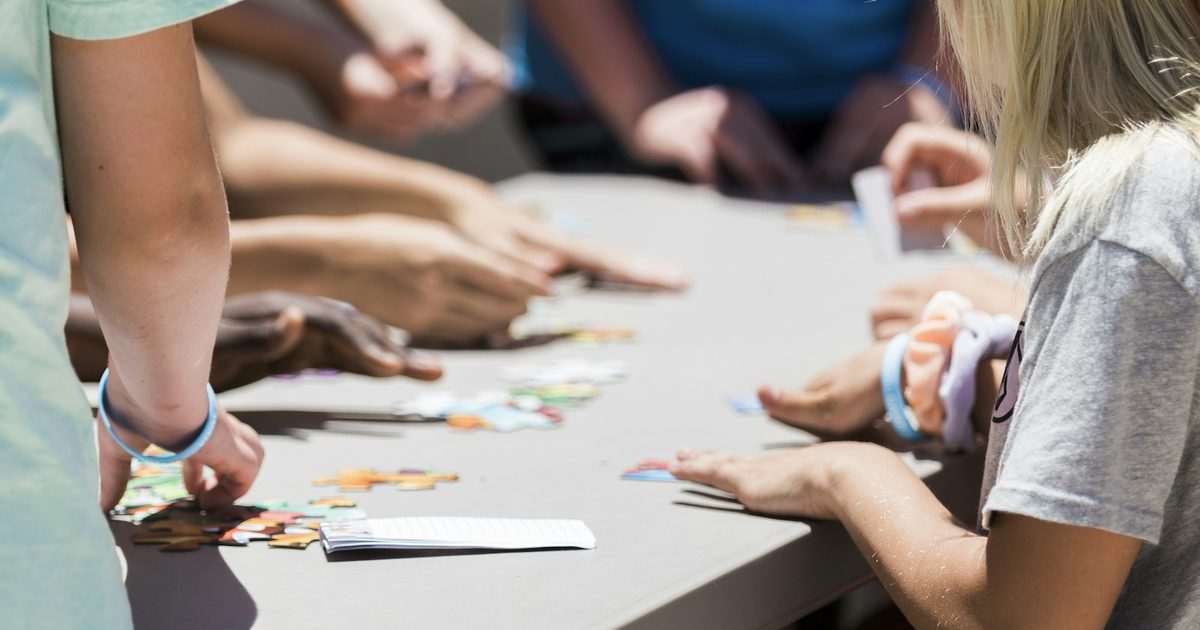
Memory games have an unfair advantage over almost every other kind: young children frequently beat adults at them, and they know it.
That is not politeness on the adult’s part. Children are genuinely good at visual-spatial recall of the kind these games demand, and the experience of properly winning against a grown-up is worth a great deal.
Key takeaways
- Children often genuinely outperform adults at visual matching games.
- Start with six to eight pairs, not a full deck. Too many pairs is the usual reason it fails.
- Visual, auditory and sequence memory are different skills — use all three.
- The best versions need no equipment at all, which makes them useful in a queue.
- Scale difficulty by adding items, not by adding rules.
Pairs, done properly
The classic. Lay cards face down in a grid, turn two at a time, keep them if they match.

Almost everyone sets it up wrong by using too many cards. Twenty-six pairs is overwhelming for a five-year-old and the game dies before anyone matches anything.
| Age | Pairs | Grid | Typical length |
|---|---|---|---|
| 3–4 | 4–6 | 3×4 | 3 min |
| 5–6 | 6–8 | 4×4 | 5 min |
| 7–8 | 10–12 | 4×6 | 8 min |
| 9–11 | 15–20 | 5×8 | 12 min |
| 12+ | 26 (full deck) | Any | 20 min |
Swipe the table sideways to see every column.
Use a proper grid rather than a scattered heap. Position is half the memory, and a tidy layout makes the game work as intended.
Kim’s Game
Named after the Kipling novel, and still the best memory game requiring almost nothing.

Arrange ten objects on a tray, let everyone look for thirty seconds, cover it, and see who can list the most. Two variants keep it fresh: remove one object and ask what is missing, or swap two and ask what changed.
The removal version is considerably harder, because it requires remembering the whole set rather than recognising individual items.
Games with nothing at all
These are the genuinely useful ones, because they work in a queue, a car or the last five minutes of a lesson.
- I Went to the Shop. Each player repeats the list and adds an item. The list gets absurd, which is what makes it memorable.
- Clap the Pattern. Clap a rhythm; they repeat it. Add a beat each round.
- The Story Chain. Build a story one sentence each, repeating everything so far.
- Number Ladder. Recite a growing sequence of digits. Brutal past about seven.

Clap the Pattern and Number Ladder train auditory and sequential memory, which most children get far less practice at than visual matching. A child who is excellent at Pairs is often surprisingly poor at these, which is a useful thing for them to discover.
Three kinds of memory
| Game | Type | Equipment | Children often |
|---|---|---|---|
| Pairs | Visual-spatial | Cards | Beat adults |
| Kim’s Game | Visual recall | Household objects | Do well |
| I Went to the Shop | Verbal sequence | None | Match adults |
| Clap the Pattern | Auditory sequence | None | Find it hard |
| Number Ladder | Working memory span | None | Find it hard |
| Story Chain | Narrative memory | None | Do very well |
Swipe the table sideways to see every column.
The last row is worth noticing. Children remember a silly story far better than a list of unconnected words, because the narrative supplies the structure. That is a general property of memory rather than anything specific to children, and psychological research bodies such as the British Psychological Society publish accessible summaries of why.
Why children win
Adults tend to verbalise: “the seven is top left”. Children more often hold the image directly, which is faster and less error-prone for exactly this task.
Adults also carry more interference. A lifetime of remembered card positions and similar layouts competes with the one currently on the table, whereas a child is holding only this game.
Whatever the mechanism, the effect is real and worth letting them enjoy. Genuinely beating an adult at something is rarer than it should be.
The practical consequence is that Pairs needs no handicap in mixed company, which is rare — most games need the adjustments described in games for children of different ages.
When a child finds them hard
Some children genuinely struggle with memory games, and pushing harder rarely helps. Shrink the game rather than the expectation: four pairs instead of twelve, five objects instead of ten.
Success at a small version builds far more than repeated failure at a large one, and the number of items can creep up quietly once the format is familiar.
Making them harder
- Add items, not rules. Complexity should come from volume, not instructions.
- Shorten the look. Thirty seconds becomes fifteen.
- Add a delay. Look, then wait two minutes, then recall.
- Use similar items. Five near-identical objects are far harder than five different ones.

Where they fit
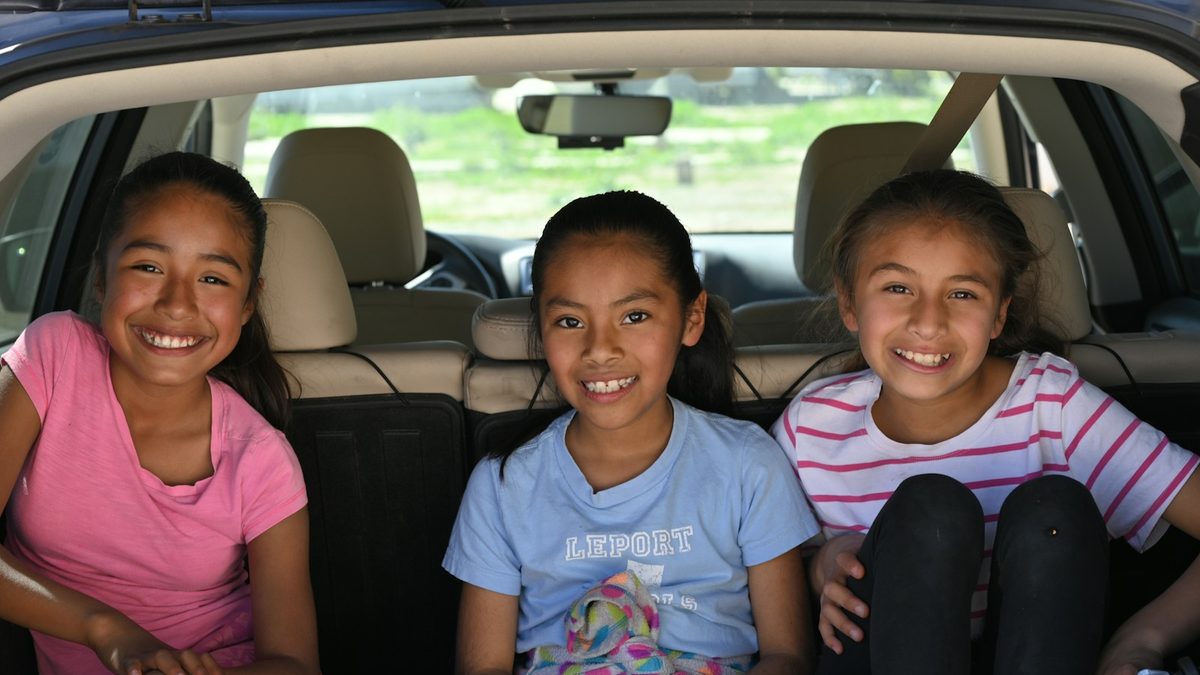
The equipment-free versions belong with the options in travel games for kids, since they need no surface at all. The card-based ones sit alongside card games for kids and want a table.
And they slot neatly into a lesson, being quiet, quick to stop and needing no setup — the same criteria as no-prep brain breaks.
Frequently asked questions
What are the best memory games for kids?
Pairs with a reduced number of cards, Kim’s Game with a tray of household objects, and equipment-free options like I Went to the Shop and Clap the Pattern. Between them they cover visual, verbal and auditory memory.
How many pairs should you use in a memory game?
Four to six pairs for ages three to four, six to eight for five to six, and ten to twelve for seven to eight. A full deck of twenty-six pairs overwhelms younger children and is the usual reason the game collapses.
Why do children beat adults at memory games?
Adults tend to verbalise positions, while children more often hold the visual image directly, which is faster and less error-prone for matching tasks. The wins are genuine rather than allowed, which is part of the appeal.
How do you play Kim’s Game?
Arrange about ten objects on a tray and let everyone study them for thirty seconds. Cover the tray, then ask players to list what they saw. Harder variants remove one object and ask what is missing, or swap two and ask what changed.
What memory games need no equipment?
I Went to the Shop, Clap the Pattern, the Story Chain and Number Ladder all need nothing at all. They work in a car, a queue or the last few minutes of a lesson, and can be stopped instantly.
How do you make memory games harder?
Add more items rather than more rules, shorten the viewing time, insert a delay before recall, or use items that closely resemble each other. Similar objects are considerably harder to distinguish than simply having more of them.