Class Party Favor Ideas for a Whole Classroom
Class party favours chosen by the four constraints that actually decide them — allergies, fairness, budget, and the classroom itself.
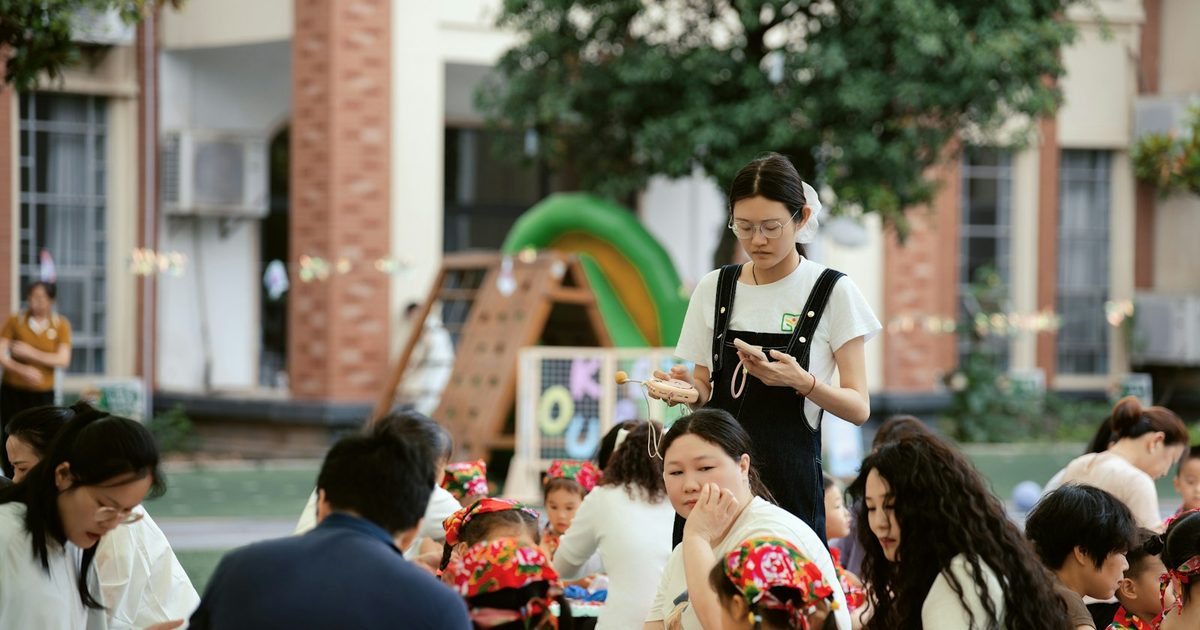
Class party favours have constraints a birthday goodie bag never does. You are buying for thirty children you mostly do not know, with allergies you may not have been told about, on a budget that has to survive being multiplied by thirty.
Get those constraints right and the choosing part becomes easy. Most class party favor ideas fail not because the item was wrong, but because one of these four constraints was never considered.
Key takeaways
- Buy identical favours for every child — variety causes more upset than it prevents.
- Skip food entirely. It removes allergy, dietary and religious issues in one decision.
- Budget per child, times thirty, and remember bags and fillers count too.
- Choose things that work at school, since that is where they will be opened.
- Avoid noise, mess and anything with small detachable parts for younger classes.
The four constraints
Almost every class favour decision comes down to these, in this order.
| Constraint | Why it matters | Rules out |
|---|---|---|
| Allergies and diet | You will not know every child’s needs | All food, most cosmetics |
| Fairness | Thirty children compare instantly | Mixed or assorted contents |
| Budget × 30 | Small differences multiply fast | Anything above a pound or two |
| The classroom itself | They get opened at school, not at home | Noisy, messy or bulky items |
Swipe the table sideways to see every column.
Setting the budget first
Decide the total you are willing to spend before looking at any options, then divide by the class size. Working the other way around almost always ends over budget.
That single number rules most decisions for you. It tells you immediately whether you are buying one considered item per child or assembling something more elaborate, and it stops the packaging creeping upward while you are not watching.
Why identical beats assorted
Assorted bags feel more generous and reliably cause problems. Within about ninety seconds someone has decided their colour is the worst one.
Identical favours remove the comparison entirely. If you want variety, make it something the child chooses themselves from a single tray.
Choosing works because the child owns the outcome. Being handed a bag they did not pick invites comparison; picking one item from thirty identical-value options does not.
Non-food options that work
- Stationery. Pencils, erasers, sharpeners, notebooks. Immediately usable at school.
- Bookmarks. Flat, cheap, survive a school bag.
- Stickers. Reliable for ages five to seven, less so after that.
- Mini puzzles. Quiet, and they occupy the rest of the afternoon.
- Seed sticks or bulbs. A favour that turns into a project.
- Hair ties and wristbands. Cheap and genuinely worn.
What to avoid
- Anything that makes noise. Whistles and clickers will not survive first contact with a teacher.
- Slime, paint and glitter. Someone has to clean the carpet.
- Small detachable parts for classes with younger siblings collecting at the gate.
- Sweets. Allergies, dietary requirements and school policy all point the same way.
- Anything branded to one interest. Half the class will not care about it.
Costing it honestly
The favour is rarely the whole cost. Bags, tissue paper, tags and ribbon add up quickly and are thrown away immediately.

| Approach | Per child | Packaging | Still in use next week | Effort |
|---|---|---|---|---|
| Filled goodie bag | Higher | Bag, tissue, tag | Rarely | High — assembly for thirty |
| One good item, unbagged | Lower | None or a simple band | Often | Low — hand them out |
Swipe the table sideways to see every column.
One decent item usually beats five cheap ones. It costs less, takes minutes rather than an evening to prepare, and is far more likely to still exist by Friday.
It also travels better. A single item goes into a pocket or a book bag; a filled sack gets put down during the coats-and-lunchboxes scramble and is never seen again.
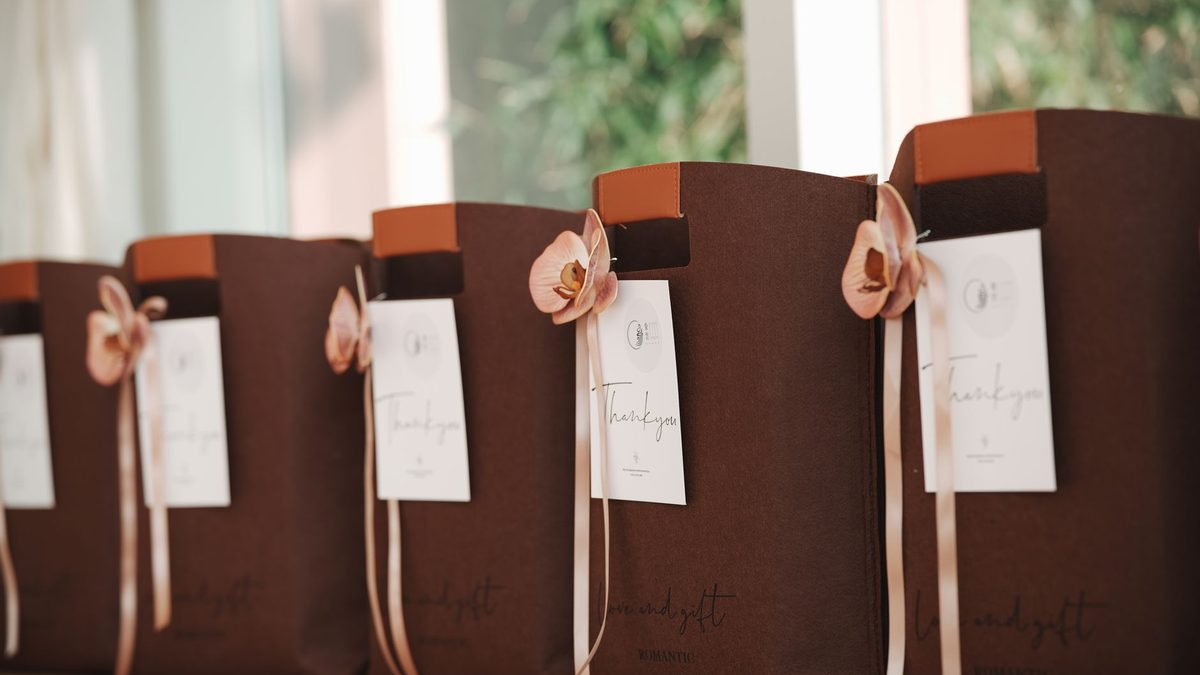
If you do want a bag, treat it as packaging rather than as a container to fill. One good item plus tissue paper looks considered and costs a fraction of five cheap items plus tissue paper.
Favours children actually keep
The test is whether the item has a use after the party ends. Stationery passes that test more reliably than almost anything else, because it goes into the pencil case and gets used the next morning.
Something that is both stationery and a game passes it twice. A pencil that children can also play with gives them a reason to bring it back, and it is still a working pencil — the thinking behind collectible pencil characters with different playstyles.
If durability is your main worry, our guide to which novelty pencils survive a school year covers what separates the ones that last from the ones that snap.
Practical logistics
- Ask the teacher first. Many schools have policies on food, distribution and timing.
- Bring two or three spares. There is always one more child than the list said.
- Hand out at the end. Favours distributed early get played with instead of the party.
- Skip the name tags. Identical favours need no names, which saves an hour.
For the party itself, activities that need no equipment work best in a classroom — quiet games that fit around desks covers options that will not end in chaos. Guidance on inclusive celebrations is available from school-community organisations such as National PTA.
Frequently asked questions
What are good non-food class party favours?
Stationery such as pencils, erasers and notebooks, plus bookmarks, stickers, mini puzzles and seed sticks. All avoid allergy and dietary complications, and stationery has the advantage of being immediately usable at school.
How much should you spend per child on class favours?
Keep it low and remember to multiply by the full class size, including packaging. One good item without a bag usually costs less than a filled goodie bag and is far more likely to still be in use the following week.
Should class party favours all be the same?
Yes. Assorted favours cause comparison and upset almost immediately in a group of thirty. If you want to offer choice, let each child pick from a single tray of identical-value items rather than pre-assembling different bags.
What should you avoid giving as class party favours?
Food of any kind, anything noisy such as whistles, messy items like slime or glitter, small detachable parts around younger children, and items branded to a single interest that only part of the class will care about.
When should party favours be handed out?
At the very end. Favours distributed early become the activity, and children stop engaging with whatever was planned. Bringing two or three spares is also wise, since class lists are rarely exactly right on the day.
Do you need to check with the school first?
Yes. Many schools have policies covering food, when items may be distributed and what may be brought in. A quick conversation with the class teacher beforehand avoids having to rethink everything on the morning.