Birthday Party Games for Kids That Do Not End in Tears
Party games planned as an energy curve — plus how to fix elimination so nobody sits out for an hour.
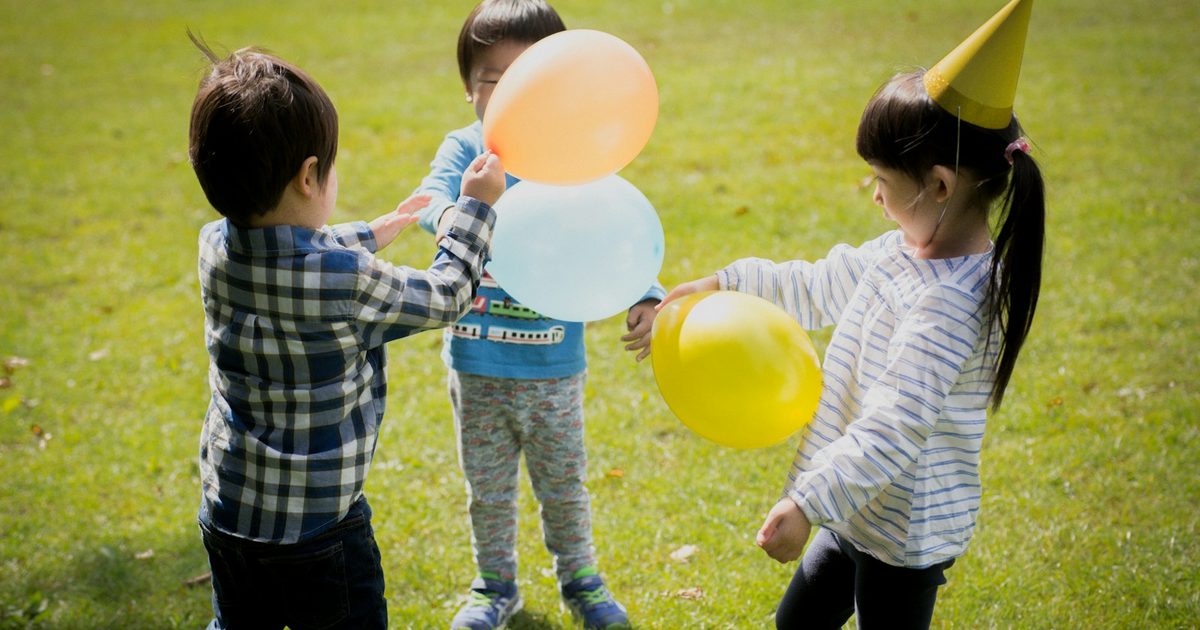
Birthday party games are not really about the games. They are about pacing twenty overexcited children through two hours without anyone crying, and the games are the instrument you use to do it.
Choose them for what they do to the room’s energy, not for how clever they are.
Key takeaways
- Plan an energy curve: gentle start, peak in the middle, calm before food and home time.
- Avoid early elimination — the first child out has an hour of nothing to do.
- Prepare twice as many games as you think you need and expect to use half.
- Explain rules while playing, never beforehand to a standing crowd.
- Have one emergency calm game ready for when it all tips over.
Plan the energy, not the schedule
A party has a predictable shape. Children arrive unevenly and slightly shy, build to a peak, and then crash somewhere after food.
| Phase | Timing | Energy needed | Game type |
|---|---|---|---|
| Arrivals | First 15 min | Low, join anytime | Free play, colouring, stickers |
| Warm-up | 15–30 min | Building | Circle games, simple rules |
| Peak | 30–60 min | High | Running, team and music games |
| Wind-down | Before food | Falling | Sitting games, guessing games |
| Food | Roughly 20 min | Low | None — do not schedule any |
| Final stretch | Last 20 min | Deliberately calm | Story, quiet game, cake |
Swipe the table sideways to see every column.

The single most common mistake is peaking too early. A party that goes straight to running games at minute ten has nowhere left to go and forty minutes of chaos to manage.
The second most common is scheduling a game during food. Children eat at wildly different speeds, and anything organised around a table becomes a queue of bored guests waiting for the slow eaters.
Games for the warm-up
The aim here is participation rather than excitement. Anything a shy child can join without being watched is doing its job.
- Pass the Parcel. Still unbeaten. Put a small item in every layer so nobody leaves empty-handed.
- Duck Duck Goose. Simple, circular, and re-entry is instant.
- The Name Game. Each child says their name with an action; the group copies. Useful when they do not all know each other.
- Simon Says. Works from age four and needs nothing.
Games for the peak
This is where the energy actually gets spent.
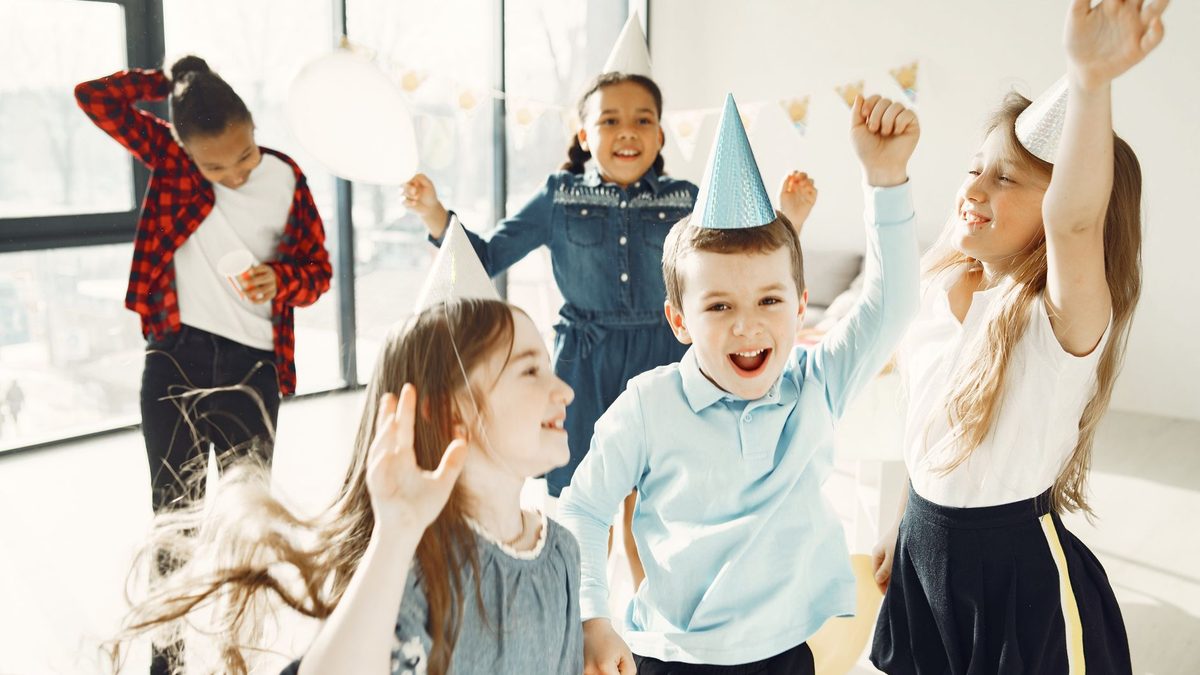
- Musical Statues. The great advantage is that you control the pause, which means you control the room.
- Musical Bumps. Same mechanic, more physical.
- Beanbag Relay. Teams, a clear finish, and it burns real energy.
- Balloon Keepy-Uppy. Cooperative, and almost impossible to do badly.
- Treasure Hunt. Excellent, but plan the route or it becomes a stampede.
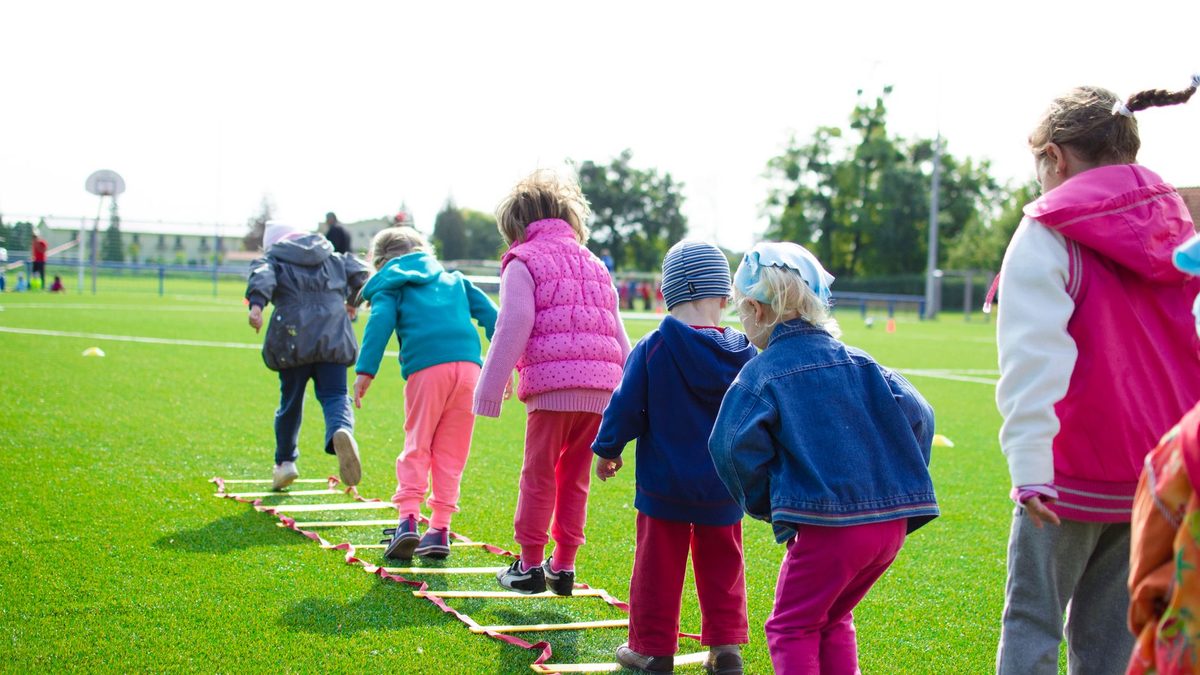
Have a spare game ready
Some games simply fail. The room is not in the mood, the rules land badly, or two children fall out mid-round and the whole thing stops being fun.
The response is not to rescue it. Announce cheerfully that you are moving on, and start the next thing immediately, before anyone has time to notice it collapsed.
This is why the spare games matter. Improvising in front of twenty children who have just lost interest is the worst position a party host can be in.
The elimination problem
Traditional party games eliminate players, and elimination is exactly wrong for a two-hour party.
The first child out in Musical Statues at minute thirty-five has fifty minutes with nothing to do, and they are usually the youngest or least confident. That is how parties produce tears.
| Standard rule | Better version | Effect |
|---|---|---|
| Out means out | Out for one round only | Everyone is back within a minute |
| Last one standing wins | Points across several rounds | No single decisive moment |
| Eliminated children sit out | They become judges | Still involved, still important |
| One winner | Everyone gets something | Removes the sting entirely |
| Adult decides who is out | Children spot each other | Fewer disputes with you |
Swipe the table sideways to see every column.

Explaining the rules
Never explain a game to twenty standing children. You will lose them by the second sentence and spend the next five minutes repeating yourself.
- Get them seated or in position first. Explain afterwards.
- Give one instruction only. “Walk when the music plays.” Add the rest as you go.
- Demonstrate rather than describe. Ten seconds of showing beats a minute of telling.
- Play a practice round. Announce that it does not count, and let mistakes happen.
Winding down
The last twenty minutes matter more than any other part, because that is when parents arrive and children are handed back.
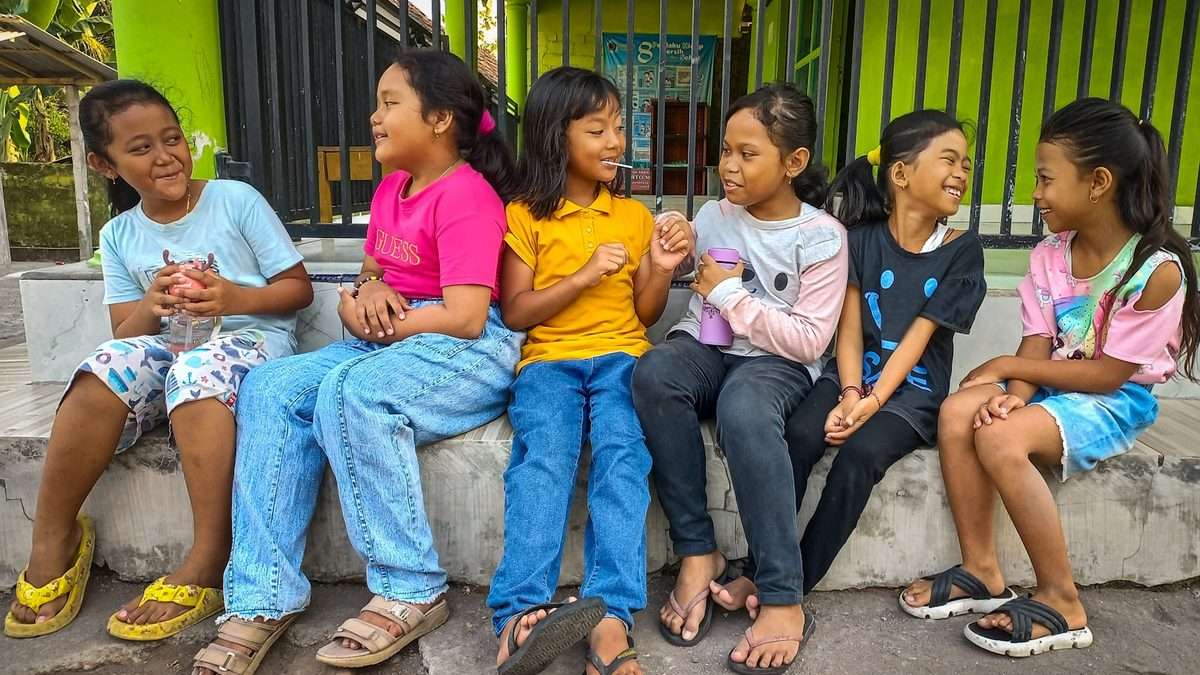
Sleeping Lions deserves special mention as the only party game that is genuinely improved by children competing to do nothing at all.
Quiet games work best here: Sleeping Lions, guessing games, or anything played sitting down in pairs. Two-player games are ideal because they split the room into small quiet units — pencil and paper games covers several, and a duel decided by a single roll resolves fast enough to repeat while everyone waits.
Prizes and party bags
Keep prizes small and frequent rather than large and rare. Ten small prizes spread across the afternoon cause far less friction than one impressive prize that only one child receives.

For what goes into the bags themselves, class party favor ideas covers the allergy, fairness and budget constraints that decide it. Structured game resources for groups this size are published by organisations such as Play Scotland.
Frequently asked questions
What are the best birthday party games for kids?
Pass the Parcel and circle games for the warm-up, Musical Statues and team relays for the peak, and quiet sitting or paired games to finish. Choose them by the energy they create rather than by novelty.
How do you structure games at a children’s party?
Follow an energy curve. Low-key activities during arrivals, simple circle games to warm up, physical games at the peak around the middle, then deliberately calm games before food and again at the end.
How do you avoid children getting upset at party games?
Avoid permanent elimination. Make being out last one round, score points across several rounds instead of naming one winner, or give eliminated children a role such as judging. Most party meltdowns come from waiting with nothing to do.
How many games should you plan for a party?
Roughly twice as many as you expect to need. Some games collapse in two minutes and others run happily for fifteen, and having spares means you are never improvising in front of twenty children.
What is the best way to explain party game rules?
Get everyone seated or in position first, give one instruction, demonstrate rather than describe, and run a practice round that explicitly does not count. Explaining to a standing crowd rarely survives past the second sentence.
What games work at the end of a party?
Quiet, seated games such as Sleeping Lions, guessing games, or anything played in pairs. Finishing calm matters because that is when parents arrive, and handing back over-stimulated children helps nobody.