The First Day of School: What Actually Helps
Replace unknowns with specifics, settle logistics the night before, keep the goodbye short — and expect the after-school collapse.
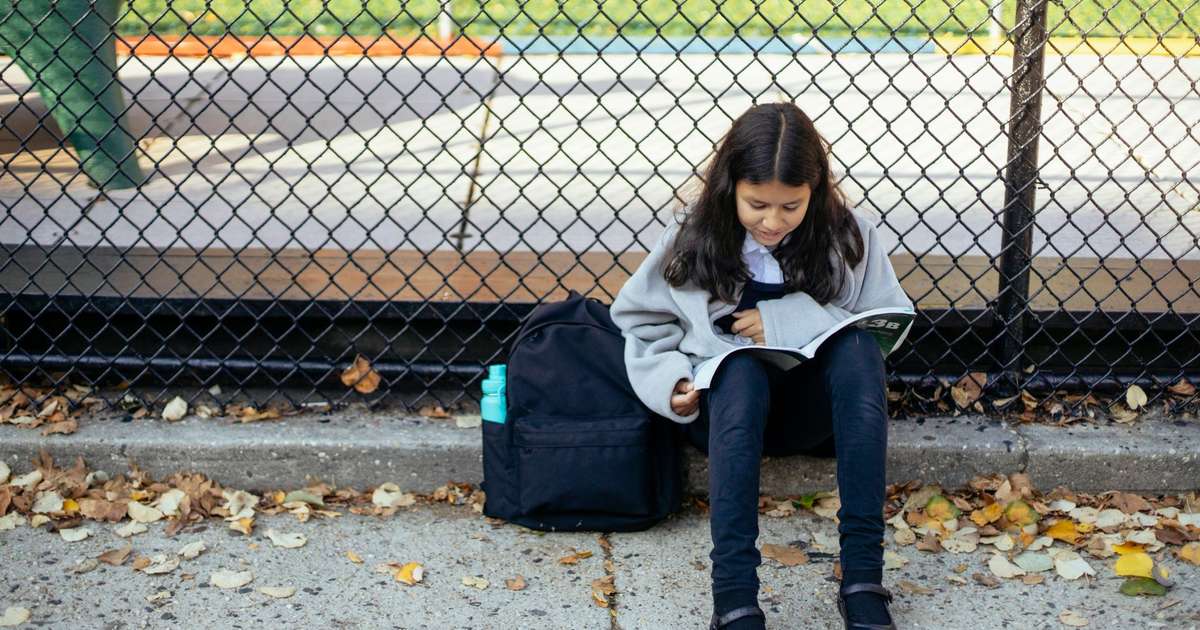
The first day of school is rarely as hard as the week before it. Anticipation does most of the damage, and it does it to parents as well as children.
What helps is not reassurance. It is removing as many unknowns as possible, so that on the morning itself there is very little left to be uncertain about.
Key takeaways
- Anxiety comes from unknowns, so replace them with specifics wherever you can.
- Do the practical preparation the night before — a rushed morning amplifies everything.
- Keep the goodbye short and certain. A drawn-out one makes it worse, not easier.
- Expect the after-school collapse; holding it together all day costs more than it looks.
- Do not interrogate them at pickup. Information arrives later, sideways.
Replace unknowns with specifics
“It will be fine” is not information. A child worrying about school is usually worrying about something quite concrete, and the concrete thing can usually be answered.
Where do I put my bag? What if I need the toilet? Who will I sit with at lunch? Who takes me home?
These all have answers, and having them removes the worry far more effectively than encouragement does.

If the school offers a visit, a photo of the classroom or the teacher’s name in advance, use all of it. Recognising one thing on arrival changes the whole experience.
The night before
Almost every first-morning disaster is a logistics failure rather than an emotional one. Deal with the logistics while nobody is under time pressure.

| Task | Why it matters | If you leave it |
|---|---|---|
| Clothes laid out | Removes a decision and a search | Ten minutes lost, tempers frayed |
| Bag packed together | The child knows what is in it | Panic about a missing item |
| Lunch decided | One fewer morning task | Rushed and often skipped |
| Route and timing agreed | Nobody is guessing | Arriving flustered or late |
| Early bedtime started | Tiredness magnifies everything | An overtired first day |
| Goodbye plan agreed | Removes the hardest moment’s uncertainty | A drawn-out gate scene |
Swipe the table sideways to see every column.
Packing the bag together matters more than it sounds. A child who packed their own bag knows where everything is, which removes an entire category of worry.
Keep the contents minimal on day one. Our guide to school supplies kids actually use covers what genuinely earns a place in the bag and what gets lost by October.
The goodbye
This is the part parents get wrong most often, and almost always out of kindness.
A long goodbye signals that the situation warrants concern. Lingering, repeated hugs and “are you sure you’re okay?” all communicate that this might not be safe.
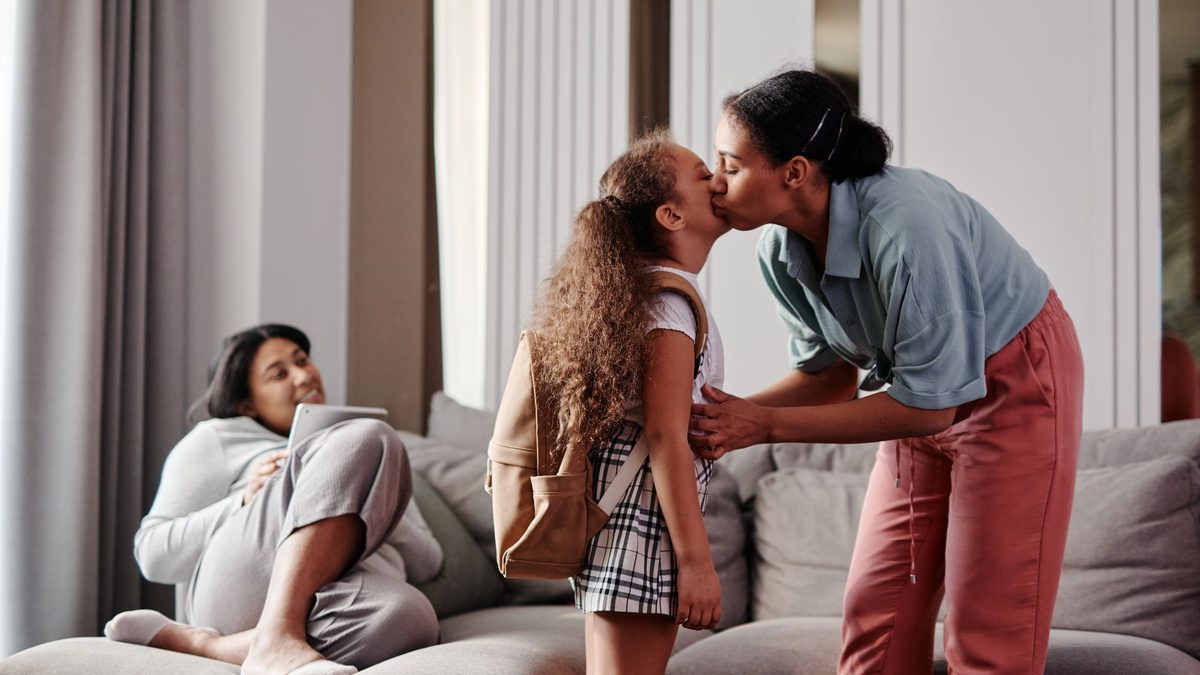
What works is a short, warm, entirely certain goodbye with a specific promise attached: I will be here at the gate at three o’clock. Then leave, even if it is difficult.
Children very often settle within minutes of the parent being out of sight. Staff see this every September and will usually tell you so if you ask.
The after-school collapse
A child who was cheerful at pickup and furious by four o’clock has not had a bad day. They have had a demanding one, and held it together until they reached the person it is safe to fall apart with.
| Instead of | Try | Why |
|---|---|---|
| “How was your day?” | Saying nothing for ten minutes | They need to decompress before recounting |
| A list of questions | One specific one, later | “Who did you sit next to?” gets a real answer |
| Booking activities | A clear first week | Reserves energy for school itself |
| A big treat | Something ordinary and calm | Novelty adds stimulation they do not need |
| Reacting to the meltdown | Food, quiet, low demands | It is tiredness, not a verdict on school |
Swipe the table sideways to see every column.
The best conversations about school almost never happen at pickup. They happen at bath time, in the car, or halfway through something else entirely.
Friendships take longer than one day
“Did you make a friend?” is the question every parent asks and the one that puts most pressure on a child.
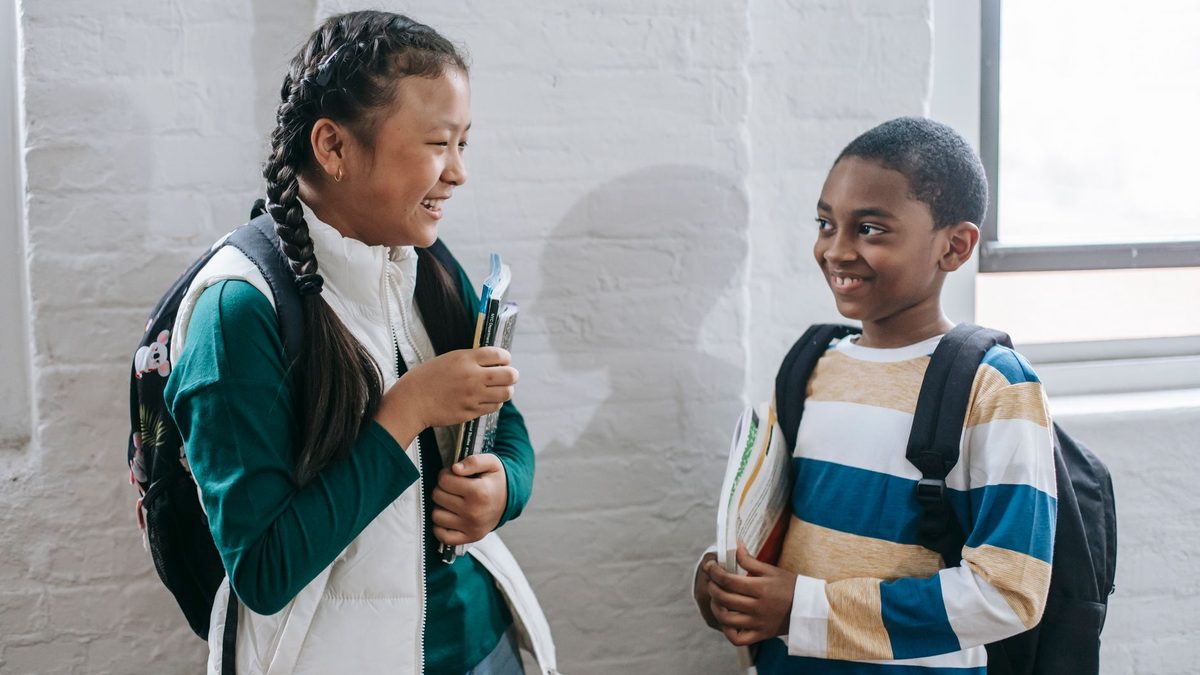
Friendships form around doing something together rather than around introductions. A child with a game they can teach has a ready-made way in, which is why something small and playable in a pocket is worth more than advice about being confident.
Quick two-player games work particularly well for this — see pencil and paper games or a duel that resolves in seconds at a desk.
When it is more than nerves
Most first-week anxiety fades within a fortnight. A few things are worth taking further.
- Physical symptoms that appear on school mornings and vanish at weekends.
- Distress that escalates across weeks rather than easing.
- Refusal to talk about school at all, especially after previously being open.
- Sleep or appetite changes lasting more than a couple of weeks.
This is general guidance, not clinical advice. If distress persists or worsens, speak to the class teacher first — they see the child in the setting you cannot. Support for children’s mental health is available from organisations such as YoungMinds.
And for the parent
It is worth naming that the first day is often harder for the adult. Children pick up anxiety with remarkable accuracy, so the calm you manage at the gate is doing real work even when it is entirely performed.
Arrange something for yourself for that first morning. Standing at home looking at the clock is the worst available option.
Frequently asked questions
How do I prepare my child for the first day of school?
Replace unknowns with specifics. Answer the concrete questions — where the bag goes, what happens at lunch, who collects them — and use any school visit, photo or teacher name offered in advance. Do the practical preparation the night before.
How should you say goodbye at the school gate?
Keep it short, warm and certain, with a specific promise about pickup, then leave. A prolonged goodbye signals that the situation warrants concern, and most children settle within minutes once the parent is out of sight.
Why does my child melt down after school?
Because holding it together all day is genuinely demanding, and home is where it is safe to stop. An after-school collapse usually indicates a tiring day rather than a bad one. Food, quiet and low demands help more than questions.
What should you ask a child after their first day?
Ideally nothing for the first ten minutes. Later, ask one specific question such as who they sat next to or what was funny, rather than a general “how was your day”, which most children cannot answer.
How long do first-day nerves usually last?
Most settle within one to two weeks. Worth escalating if distress increases rather than eases over that period, if physical symptoms appear only on school mornings, or if sleep and appetite changes persist.
How can I help my child make friends?
Give them something to do rather than something to say. Friendships form around shared activity, so a simple game a child can teach someone else is often a more effective route in than any advice about confidence.